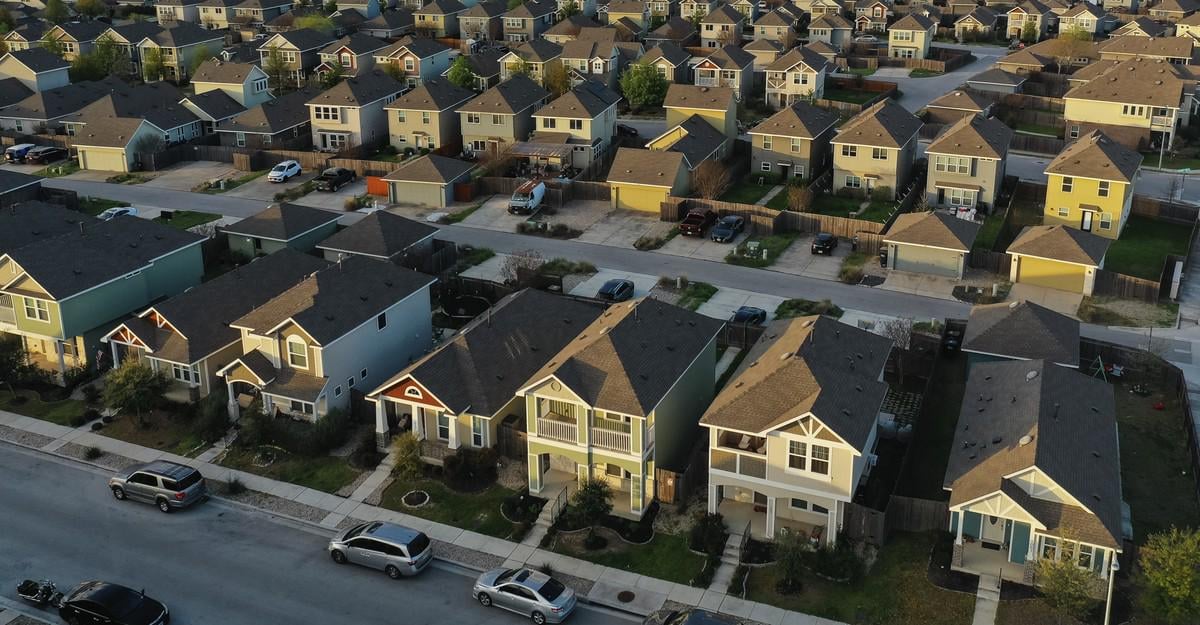
A second dynamic, and I’ve been influenced here by a paper by David Broockman and others, is an aesthetic one. Their research found that homeowners in cities are less opposed to new development than renters outside of cities are. Their explanation is that a lot of your position on new development comes down to your aesthetic preferences. I live in a neighborhood in D.C. that has high-rises everywhere. I moved there because I like density, and I like what it brings—diversity, good restaurants—whereas someone who moves to a suburb of Dallas might have moved there because they want more space, because they like white-picket-fence homes. Then all of a sudden, when a high-rise is proposed near them, they’re worried about that aesthetic changing. I think it’s a combination of materialism and aesthetic preference, and then a darker side: a reflexive opposition to newcomers, especially when those newcomers are different from you.
Stephanie: If that mindset is so entrenched, can policy alone help overcome that impulse?
Rogé: Policy isn’t going to change people’s psychology, but here’s what it can do: It can change laws that allow people who have this NIMBYism tendency to have outsize influence. If a state decides that they don’t want to have as much development, that’s one thing. If one or two homeowners get to decide to block development, that’s another thing. We can at least make it so that a small group of people aren’t able to block development that would help hundreds, maybe even thousands, of people.
Stephanie: Speaking of big policy shifts, California recently rolled back a monumental environmental law that had been used to delay housing development in the state. How do you take that news? Will California start to look less like the paragon of the housing crisis in America?
Rogé: The California Environmental Quality Act is well known by housing activists everywhere. And you’re right, it’s a law that was originally created to protect the environment but has been weaponized to block not only dense housing but also solar farms and transit and other things that would actually reduce emissions. I’m very happy to see it reformed—that’s a step in the right direction.
But California’s housing crisis has been metastasizing for decades; I don’t know if one change is going to have a big impact right away. I have much more hope for the Sun Belt states. One reason I focus on them in my story is that a lot of those cities aren’t that far gone. Raleigh, North Carolina, recently responded to the demand for housing with a slate of new reforms that made it much easier to build apartments and dense housing in more places, especially near transit.
Stephanie: Maybe that’s the answer to my earlier question. The Sun Belt states can avoid becoming the next California if they take action on housing and zoning policies now.
Rogé: Exactly. They can look at California and see their future.
AmericanDadWeeb on
Ok I’ve actually always kind of *felt* this when talking to people.
You’d be shocked at the amount of people who really really really want to rent single family homes

2 Comments
A second dynamic, and I’ve been influenced here by a paper by David Broockman and others, is an aesthetic one. Their research found that homeowners in cities are less opposed to new development than renters outside of cities are. Their explanation is that a lot of your position on new development comes down to your aesthetic preferences. I live in a neighborhood in D.C. that has high-rises everywhere. I moved there because I like density, and I like what it brings—diversity, good restaurants—whereas someone who moves to a suburb of Dallas might have moved there because they want more space, because they like white-picket-fence homes. Then all of a sudden, when a high-rise is proposed near them, they’re worried about that aesthetic changing. I think it’s a combination of materialism and aesthetic preference, and then a darker side: a reflexive opposition to newcomers, especially when those newcomers are different from you.
Stephanie: If that mindset is so entrenched, can policy alone help overcome that impulse?
Rogé: Policy isn’t going to change people’s psychology, but here’s what it can do: It can change laws that allow people who have this NIMBYism tendency to have outsize influence. If a state decides that they don’t want to have as much development, that’s one thing. If one or two homeowners get to decide to block development, that’s another thing. We can at least make it so that a small group of people aren’t able to block development that would help hundreds, maybe even thousands, of people.
Stephanie: Speaking of big policy shifts, California recently rolled back a monumental environmental law that had been used to delay housing development in the state. How do you take that news? Will California start to look less like the paragon of the housing crisis in America?
Rogé: The California Environmental Quality Act is well known by housing activists everywhere. And you’re right, it’s a law that was originally created to protect the environment but has been weaponized to block not only dense housing but also solar farms and transit and other things that would actually reduce emissions. I’m very happy to see it reformed—that’s a step in the right direction.
But California’s housing crisis has been metastasizing for decades; I don’t know if one change is going to have a big impact right away. I have much more hope for the Sun Belt states. One reason I focus on them in my story is that a lot of those cities aren’t that far gone. Raleigh, North Carolina, recently responded to the demand for housing with a slate of new reforms that made it much easier to build apartments and dense housing in more places, especially near transit.
Stephanie: Maybe that’s the answer to my earlier question. The Sun Belt states can avoid becoming the next California if they take action on housing and zoning policies now.
Rogé: Exactly. They can look at California and see their future.
Ok I’ve actually always kind of *felt* this when talking to people.
You’d be shocked at the amount of people who really really really want to rent single family homes