*How the U.S.-Israeli Strikes Empowered the Iranian Regime*
Mohammad Ayatollahi Tabaar
Israel’s June 13 assault on Iran, designed to decapitate Tehran’s military and nuclear program, is one of the worst setbacks the Islamic Republic has ever experienced. In less than two weeks, the Israel Defense Forces managed to assassinate dozens of senior Iranian commanders and nuclear scientists. The IDF destroyed many of Iran’s air defense systems and damaged its nuclear facilities. Israel bombed Iran’s energy infrastructure, military bases, and various missile production sites. The strikes were precise, indicating that Israeli intelligence had penetrated the highest levels of Iran’s armed forces and government. And toward the end of the attacks, the United States joined in. As a result, the Iranian military is weaker now than it was just a month earlier.
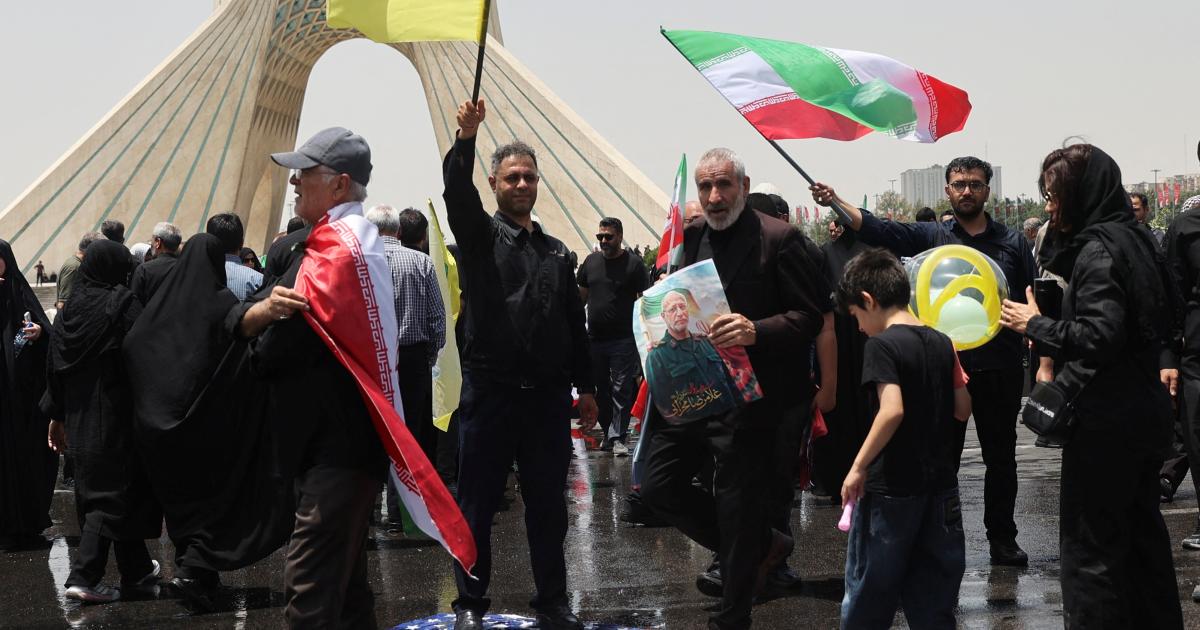
But instead of collapsing under the shock, the Islamic Republic appears to have gained a new lease on life. The strikes caused a rally-around-the-flag effect as Iranians condemned them and celebrated the government’s response. The Iranian regime mourned its lost officials but swiftly replaced them. The operations thus made the Iranian nation more cohesive and strengthened the hand of the Islamic Revolutionary Guard Corps (IRGC).
Iranian society is unlikely to become more rigidly Islamist in response to the strikes. To maintain internal stability, the government might even tolerate more social freedoms. But the regime will probably become more repressive, arresting anyone it sees as a traitor. And critically, Iranians may be more willing to accept the state as it is. The country could now have a new social contract, one that prioritizes national security above everything else.
Iran’s national security strategy, however, remains broadly unchanged. The Islamic Republic may be weaker in some ways, but its leaders are proud of having withstood the Israeli and American assaults. They see the substantial damage they inflicted on Israel’s cities as a major achievement. And they continue to believe that demonstrating resolve in the face of aggression is the only way to deter their opponents. Iranian leaders will thus set out to rebuild the country’s network of proxies: the so-called axis of resistance. They will trust diplomacy even less than before. Instead, they will lay the groundwork for a long war of attrition with Israel—and a potential nuclear breakout.
kraci_ on
I don’t agree with a significant portion of this analysis. Like, at all.
>The IRGC, however, sees the situation differently. Its leaders believe the country’s forward defense strategy—fighting adversaries by conducting asymmetric warfare near or within their borders rather than on Iranian soil—has been vindicated. This approach successfully deterred Israel and the United States from attacking for years and thus bought Tehran critical time to build up the industrial infrastructure, technical expertise, and institutional resilience it can now use to rapidly rebuild its nuclear and ballistic missile programs, even after the devastating bombings.
That is extremely debatable. The IRGC would be foolish to have this be the takeaway, especially after it was a total and abject failure that led to literal direct assaults on the country. How can this author argue that the IRGC is happy with the outcome when billions of its own money went wasted, its primary adversaries are stronger than ever, and it prevented literally none of the attacks on its own soil? That Israel and the US waited a decade to attack means next to mothing when the outcome is that your proxy groups are toothless and you were still attacked anyways. What is the argument in favor of proxy wars outside their territory, when they have been proven to be vulnerable, poorly coordinated, and generally hated?
The real takeaway the IRGC has is that they will need to pursue nuclear armament as soon as possible. To continue their strategy of propping up Hezb, Hamas, Houthis, and friendly regimes would lead to more of the same. Israel picking each one apart as it sees fit, and Iran wasting away in the meantime.

3 Comments
**The Islamic Republic’s New Lease on Life**
*How the U.S.-Israeli Strikes Empowered the Iranian Regime*
Mohammad Ayatollahi Tabaar
Israel’s June 13 assault on Iran, designed to decapitate Tehran’s military and nuclear program, is one of the worst setbacks the Islamic Republic has ever experienced. In less than two weeks, the Israel Defense Forces managed to assassinate dozens of senior Iranian commanders and nuclear scientists. The IDF destroyed many of Iran’s air defense systems and damaged its nuclear facilities. Israel bombed Iran’s energy infrastructure, military bases, and various missile production sites. The strikes were precise, indicating that Israeli intelligence had penetrated the highest levels of Iran’s armed forces and government. And toward the end of the attacks, the United States joined in. As a result, the Iranian military is weaker now than it was just a month earlier.
But instead of collapsing under the shock, the Islamic Republic appears to have gained a new lease on life. The strikes caused a rally-around-the-flag effect as Iranians condemned them and celebrated the government’s response. The Iranian regime mourned its lost officials but swiftly replaced them. The operations thus made the Iranian nation more cohesive and strengthened the hand of the Islamic Revolutionary Guard Corps (IRGC).
Iranian society is unlikely to become more rigidly Islamist in response to the strikes. To maintain internal stability, the government might even tolerate more social freedoms. But the regime will probably become more repressive, arresting anyone it sees as a traitor. And critically, Iranians may be more willing to accept the state as it is. The country could now have a new social contract, one that prioritizes national security above everything else.
Iran’s national security strategy, however, remains broadly unchanged. The Islamic Republic may be weaker in some ways, but its leaders are proud of having withstood the Israeli and American assaults. They see the substantial damage they inflicted on Israel’s cities as a major achievement. And they continue to believe that demonstrating resolve in the face of aggression is the only way to deter their opponents. Iranian leaders will thus set out to rebuild the country’s network of proxies: the so-called axis of resistance. They will trust diplomacy even less than before. Instead, they will lay the groundwork for a long war of attrition with Israel—and a potential nuclear breakout.
I don’t agree with a significant portion of this analysis. Like, at all.
>The IRGC, however, sees the situation differently. Its leaders believe the country’s forward defense strategy—fighting adversaries by conducting asymmetric warfare near or within their borders rather than on Iranian soil—has been vindicated. This approach successfully deterred Israel and the United States from attacking for years and thus bought Tehran critical time to build up the industrial infrastructure, technical expertise, and institutional resilience it can now use to rapidly rebuild its nuclear and ballistic missile programs, even after the devastating bombings.
That is extremely debatable. The IRGC would be foolish to have this be the takeaway, especially after it was a total and abject failure that led to literal direct assaults on the country. How can this author argue that the IRGC is happy with the outcome when billions of its own money went wasted, its primary adversaries are stronger than ever, and it prevented literally none of the attacks on its own soil? That Israel and the US waited a decade to attack means next to mothing when the outcome is that your proxy groups are toothless and you were still attacked anyways. What is the argument in favor of proxy wars outside their territory, when they have been proven to be vulnerable, poorly coordinated, and generally hated?
The real takeaway the IRGC has is that they will need to pursue nuclear armament as soon as possible. To continue their strategy of propping up Hezb, Hamas, Houthis, and friendly regimes would lead to more of the same. Israel picking each one apart as it sees fit, and Iran wasting away in the meantime.
https://preview.redd.it/58bdzkcmgobf1.png?width=1080&format=png&auto=webp&s=69a507f42b47a6ab1b3709260c28089c493963e4