
Britain is living beyond its means | No party looks truly ready to confront tax-resistant voters with some hard questions
Posted by ONETRILLIONAMERICANS
Britain is living beyond its means | No party looks truly ready to confront tax-resistant voters with some hard questions
Posted by ONETRILLIONAMERICANS
4 Comments
> You do not turn to the Fiscal Risks report of the Office for Budget Responsibility for comic relief. It is generally a sobering look ahead. If there has ever been an “actually guys, it’s all good” report, I must have been washing my hair that day.
> Tuesday was a triumph of the genre. The risks to the public finances are “daunting” with “substantial erosion” of the UK’s capacity to respond to future shocks. The OBR’s core points are broadly known. The levels of public debt and annual borrowing are not a state secret, nor is the fact that no government since David Cameron’s has seemed serious about addressing them.
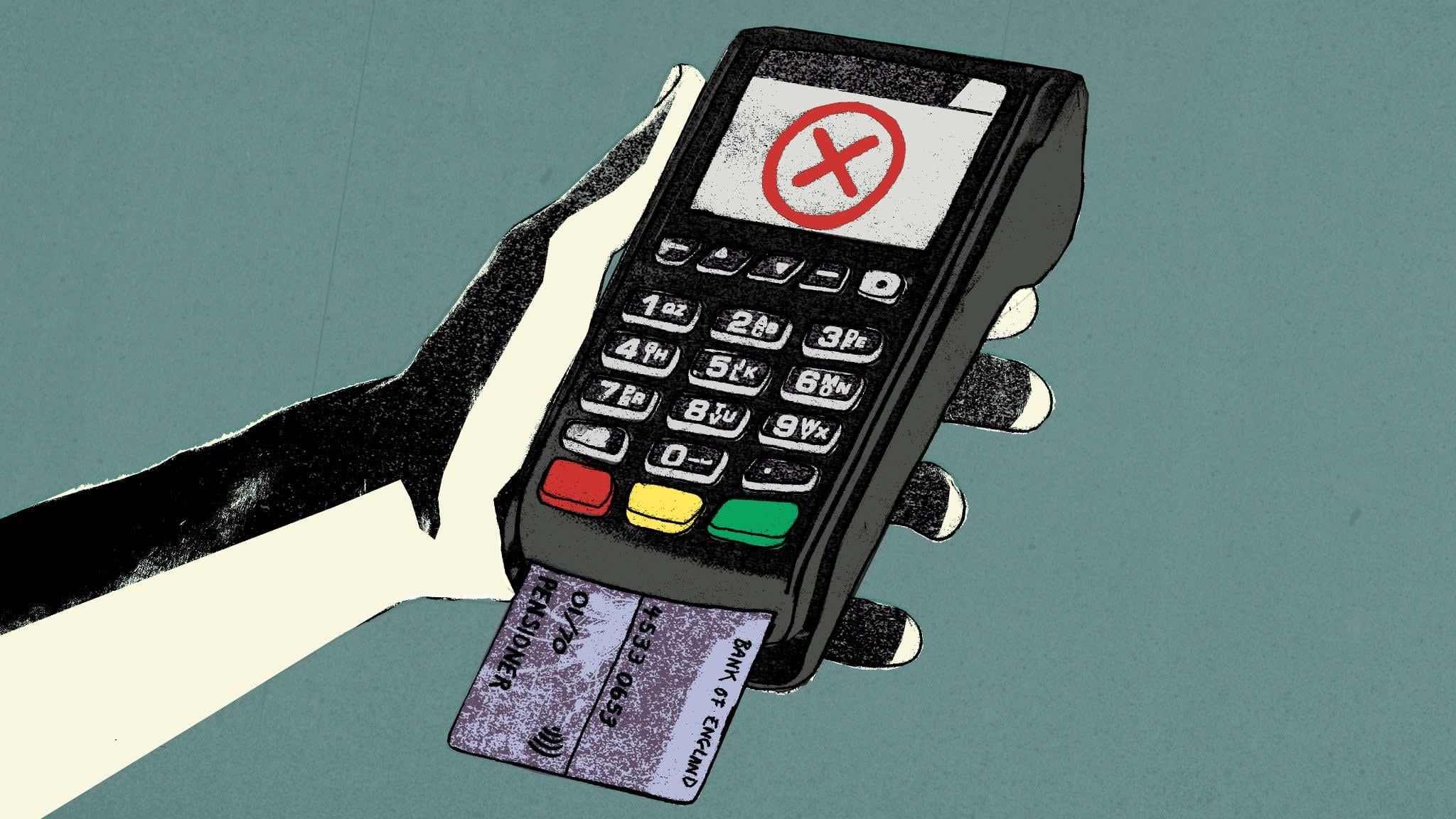
> Yet one section of the report captured a wider problem. Examining the impact of the so-called pensions triple lock, the OBR noted that the bill for a policy supposed to cost £5.2bn a year by 2029/30 is now closer to £15.5bn.
> Overall state pension spending is expected to rise from 5 per cent of GDP today to 7.7 per cent by the 2070s, mainly due to higher life expectancy. What makes that alarming is the fall in the number of working age adults per pensioner, forecast to drop from 3.2 in previous decades to 2.7 by 2070. In other words there will be fewer taxpayers to fund the higher costs.
> The triple lock, which guarantees the pension will rise by whichever is highest of inflation, earnings or 2.5 per cent, was a decent plan to tackle pensioner poverty. But it has proved not only more costly than imagined but politically impossible to abandon. When the Tory leader Kemi Badenoch questioned its future, she was instantly attacked by Labour though it too knows the case for loosening this straitjacket. Given Sir Keir Starmer’s recent retreat over plans to deny most pensioners a £200 winter fuel allowance it is hard to see him rushing to deprive them of larger sums.
> This is a symptom of a far greater problem. Put simply, the OBR report shows a state living beyond its means and a political system seemingly unable to confront the electorate with the reality that we are maxing out a credit card and leaving the bills to our children.
This is not a partisan point. Both main parties went into the election dishonestly promising no meaningful tax rises and no serious spending cuts. For all the fine fiscal rules no party is serious about debt reduction. Today’s definition of a prudent chancellor is someone who does not make matters worse.
> At the end of an otherwise creditable period as chancellor, Jeremy Hunt unveiled two rafts of patently unaffordable tax cuts without any serious indication of corresponding savings because Tory strategists saw it as the only remaining shot in their locker. Labour, still haunted by Tory “tax bombshell” posters, locked itself into the Hunt cuts and other promises not to raise personal taxation and hence had to find revenue with an economically damaging hit on business.
> Rightly spooked by the cost of borrowing and market jitters about sovereign debt, Labour is spending less than it would like while seeking revenue in places where it hopes the damage will not be noticed. (An earlier Gordon Brown tax raid precipitated the collapse of defined benefit pension schemes, which is reducing demand for UK gilts. What goes around comes around).
> The government is thus struggling to fund essential spending increases from defence to social care. Last week, Labour MPs forced Starmer to shelve relatively modest though flawed welfare savings. Meanwhile he is under pressure to scrap the “two-child cap”, which limits benefits to larger families.
> Other measures, such as expansion of breakfast clubs or extra childcare support, ratchet up the demands on public spending. It is not that these measures are necessarily wrong, but that they come at a cost which someone eventually has to pay.
> The situation cannot continue. No current growth trajectory will rescue the situation. The only choices are tax rises or new charges for services, spending cuts or a combination of both.
Hunt and Sunak cutting national insurance then Labour committing not to raise it or income tax or VAT has been the terrible for the UK.
The bottom line is after 15 years of no growth and a population who’ve kept ageing regardless we need more money. Rasing the biggest taxes is the easiest and fairest way to do it but nobody is willing to argue for it.
Instead we hide behind either ignoring the problem or pretending some other group can pay.
All the center/right-wing think tankers I follow say we should scrap the triple lock, but if you thought removing the winter fuel payment was political suicide, you’d be straight up murdered if you try to remove the triple lock lol.
The UK doesn’t have the appetite for austerity round 2, Labour don’t want it, the Lib Dems don’t want it, Reform don’t want it, Conservatives may want it but they’re in no position to get it right now. The only way it’ll happen is if the UK needs an IMF bailout or something along those lines.
People are tax-resistant because they’re pretty sure that the government will piss their money away but not actually achieve anything. Faith in the British government (regardless of which party is in power) is at an all time low and people are already feeling poor and miserable.