>If you’re a lawyer, you’ve probably heard of Section 35, which comes right after the *Charter* and addresses “Aboriginal rights.”
>Lawyer or not, you’ve almost certainly never heard of Section 36. This is the part that mentions equalization: “Parliament and the government of Canada are committed to the principle of making equalization payments to ensure that provincial governments have sufficient revenues to provide reasonably comparable levels of public services at reasonably comparable levels of taxation.”
>The federal government distributes billions of tax dollars to deliver on this commitment. In 2024-25, poorer provinces received [over $25 billion](https://www.canada.ca/en/department-finance/programs/federal-transfers/major-federal-transfers.html) in unconditional transfers. For example, Manitoba received $4.4 billion (or 18 per cent of its total budget), and New Brunswick received $2.9 billion (or 23 per cent of its total provincial budget). Meanwhile, Alberta, Saskatchewan and British Columbia received nothing.
>Like Indian reserves, the territories aren’t explicitly mentioned in Section 36, either. But they nonetheless receive annual transfers to ensure comparable services thanks to a federal law that makes them mandatory. Payments go to each territorial government under a [program](https://www.canada.ca/en/department-finance/programs/federal-transfers/territorial-formula-financing.html) called Territorial Formula Financing.
>So: equalization is the law, supreme or otherwise, for provinces and territories. But not for Indian reserves. They remain separate and unequal.

1 Comment
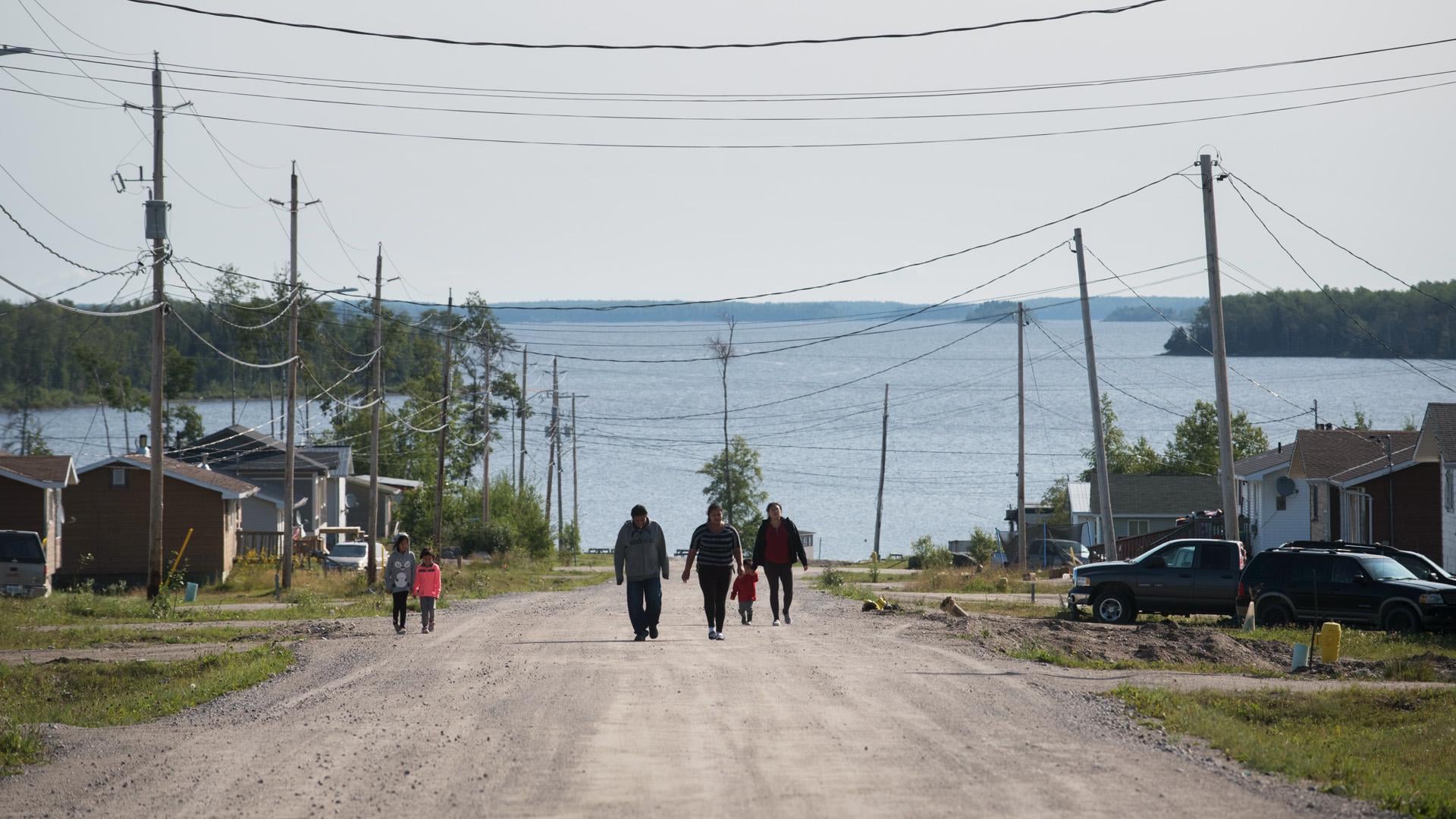
>Unlike provinces and territories, Indian reserves do not receive a legal commitment to comparable public services from the federal government.
>Not coincidentally, basic services on reserves are subpar and underfunded by any provincial or territorial measure. The problem extends to [policing,](https://papers.ssrn.com/sol3/papers.cfm?abstract_id=4146595) %5Beducation%5D(https://www.cbc.ca/news/politics/budget-watchdog-pbo-first-nations-education-schools-1.3883301), [child welfare](https://policyoptions.irpp.org/magazines/october-2016/the-long-history-of-discrimination-against-first-nations-children/), access to [clean water](https://canadians.org/fn-water/), [fire services](https://www.thestar.com/news/ontario/ontario-first-nations-sue-the-federal-government-over-alleged-deadly-underfunding-of-fire-protection-on/article_caadf4e2-7cfb-11ef-ac96-e35372896c46.html?fbclid=IwY2xjawGeTXhleHRuA2FlbQIxMQABHUV2tsENwiwWqvq9aR9UINYLnp_EuHY4h2AIhDKPccWnH4wSPtVs0MEkwA_aem_oMshNmtTFZqUzcN0JYF20Q), and more.
>The exclusion of reserves from equalization is a legal omission, all too often overlooked, that has enabled a policy problem to fester.
# A little-known section of the Constitution
>If you’re Canadian, you’ve heard of the *Charter of Rights and Freedoms*, which is part of the *Constitution Act, 1982*. The *Charter* has [34 sections](https://www.canada.ca/en/canadian-heritage/services/download-order-charter-bill.html).
>If you’re a lawyer, you’ve probably heard of Section 35, which comes right after the *Charter* and addresses “Aboriginal rights.”
>Lawyer or not, you’ve almost certainly never heard of Section 36. This is the part that mentions equalization: “Parliament and the government of Canada are committed to the principle of making equalization payments to ensure that provincial governments have sufficient revenues to provide reasonably comparable levels of public services at reasonably comparable levels of taxation.”
>The federal government distributes billions of tax dollars to deliver on this commitment. In 2024-25, poorer provinces received [over $25 billion](https://www.canada.ca/en/department-finance/programs/federal-transfers/major-federal-transfers.html) in unconditional transfers. For example, Manitoba received $4.4 billion (or 18 per cent of its total budget), and New Brunswick received $2.9 billion (or 23 per cent of its total provincial budget). Meanwhile, Alberta, Saskatchewan and British Columbia received nothing.
>Like Indian reserves, the territories aren’t explicitly mentioned in Section 36, either. But they nonetheless receive annual transfers to ensure comparable services thanks to a federal law that makes them mandatory. Payments go to each territorial government under a [program](https://www.canada.ca/en/department-finance/programs/federal-transfers/territorial-formula-financing.html) called Territorial Formula Financing.
>So: equalization is the law, supreme or otherwise, for provinces and territories. But not for Indian reserves. They remain separate and unequal.
!ping Can