It is a breath of fresh air to see that Syria has some hope for the future.
FlakeyWienerbrod on
>Hazem al-Sharaa is reported to spend up to seven hours a day discussing economic policy in the r/Neoliberal Discussion Thread
bigwang123 on
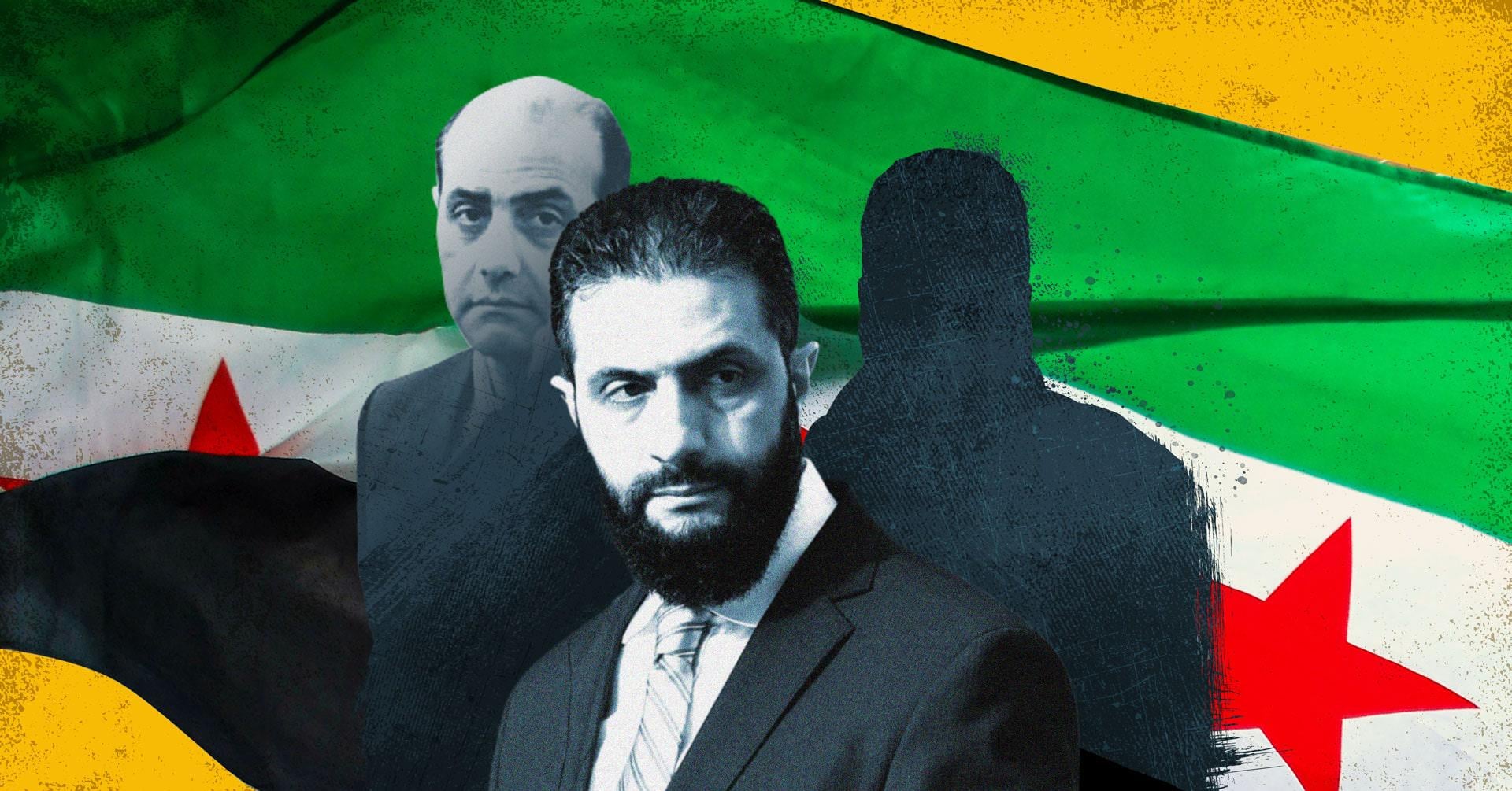
“Hazem al-Sharaa, the president’s brother, is a former PepsiCo general manager in the Iraqi city of Erbil, according to his LinkedIn profile.”
Gobbless brother 🦅🦅🦅🦅
dweeb93 on
Say no to extractive institutions.
randommathaccount on
Seems uh… actually I don’t know how to feel about this. On the one hand the choice to make deals with businessmen who profited in the Assad days could be seen as a good one to avoid being overly retributive and taking them to court would have been risky as it risks them not having the centralised authority to punish said businessmen which would be terrible for the state. That said, transparency of government especially on economic matters is important for building trust and preventing corruption, something mr “I love institutions” ought well to know. This arrangement does seem worryingly like a return to oligarchy in parts, not something Syria needs at the moment.
jurble on
I wonder if they fear the risks of prosecuting the businessmen or if they fear shock therapy. The money is going into the sovereign wealth fund, so there isn’t evidence of personal venality as motivation yet, at least.
Shock therapy is probably the true answer for long term growth, but everyone is cowardly after 90s Russia.

7 Comments
Archived version: [https://archive.fo/XNDqs](https://archive.fo/XNDqs).
!ping Middle-East&Administrative-state
It is a breath of fresh air to see that Syria has some hope for the future.
>Hazem al-Sharaa is reported to spend up to seven hours a day discussing economic policy in the r/Neoliberal Discussion Thread
“Hazem al-Sharaa, the president’s brother, is a former PepsiCo general manager in the Iraqi city of Erbil, according to his LinkedIn profile.”
Gobbless brother 🦅🦅🦅🦅
Say no to extractive institutions.
Seems uh… actually I don’t know how to feel about this. On the one hand the choice to make deals with businessmen who profited in the Assad days could be seen as a good one to avoid being overly retributive and taking them to court would have been risky as it risks them not having the centralised authority to punish said businessmen which would be terrible for the state. That said, transparency of government especially on economic matters is important for building trust and preventing corruption, something mr “I love institutions” ought well to know. This arrangement does seem worryingly like a return to oligarchy in parts, not something Syria needs at the moment.
I wonder if they fear the risks of prosecuting the businessmen or if they fear shock therapy. The money is going into the sovereign wealth fund, so there isn’t evidence of personal venality as motivation yet, at least.
Shock therapy is probably the true answer for long term growth, but everyone is cowardly after 90s Russia.