By the very nature of the institution, the supreme court actually kinda doesn’t owe anyone anything
Shoulda elected Hillary in 2016
Standard_Ad7704 on
Federal judges are not elected by the public. Nor are they supposed to make decisions based on their ideological preferences. Our political system instead vests them with the power to decide whether the president, Congress and other lawmakers are enacting policies that are consistent with previous laws, court rulings and, above all, the Constitution.
For these reasons, the credibility of judges depends on their ability to offer public explanation for the legal basis of their decisions. When judges show their work, the public can assess it by the standards the judiciary sets for itself — reasoning grounded in law and judicial precedent. Without that, judges risk their legitimacy. Clear explanation is especially important for the Supreme Court, which sets national rules that lower courts must follow. When the court fails to make these rules clear, confusion can set in.
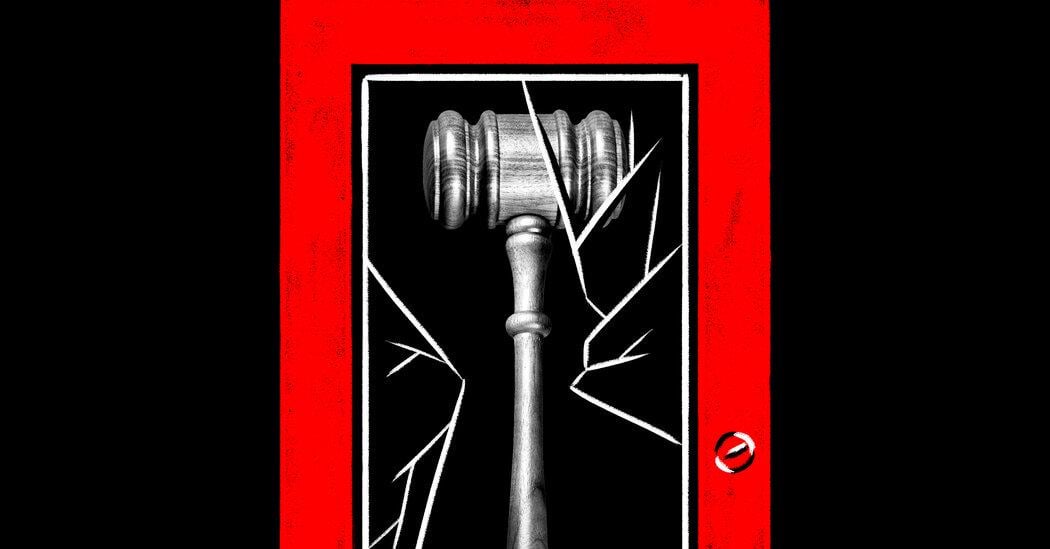
The current Supreme Court is creating precisely this problem by issuing many important rulings as brief, unsigned orders on its so-called emergency docket. On this docket (also known as the shadow docket), the votes among the nine justices are not public, and the majorities typically offer little explanation for their decisions. Yet the justices have used the emergency docket this year to hand down a series of rulings allowing President Trump to expand executive power and alter the structure of government.
Following this path, the justices are ducking one of their crucial responsibilities: making persuasive arguments with which we can all engage. This overuse of the emergency docket is a self-inflicted wound. It diminishes public confidence in government when that confidence is already low.
Mr. Trump’s administration has been much more aggressive about seeking emergency relief for a worrisome reason: He has enacted many legally dubious policies that lower-court judges have blocked, on a strikingly bipartisan basis. His lawyers have then selectively rushed to the Supreme Court, asking the justices to overturn certain rulings and allow the policies to go into effect. In his first term, his administration applied for emergency relief 41 times. In his second term, the pace has been even faster. The Trump administration has applied 21 times since January. The math is jarring. Mr. Bush and Mr. Obama averaged one emergency request every two years; Mr. Trump averages nearly one a week.
The justices have been very friendly to these applications. After rejecting the Trump administration’s first three filings this spring, the court has granted the last 18. Some of its decisions are legally defensible. Others may turn out to be temporary, with the justices ultimately judging Mr. Trump’s policy to be illegal after they fully consider it. Yet the overuse of the emergency docket nonetheless has worrisome consequences. We see at least three specific ways in which the court’s new fondness for speed and silence is damaging the American legal system.
The first problem is the lack of explanation, which leaves the public unable to assess the justices’ reasoning and lower courts and policymakers uncertain about the full meaning of the rulings.
Matar_Kubileya on
Question is, what is there to be done about it?
IMO, a Democratic House of Representatives might at least start by having the Justices testify before Congress about their decision making processes on the shadow docket, but I’d just worry that the Roberts court would shut it down by declaring it a separation of powers issue.
BelmontIncident on
I’m pretty sure the explanation is service to the formerly Republican, now Monarchist party, and its head, King Stupid the First.

4 Comments
By the very nature of the institution, the supreme court actually kinda doesn’t owe anyone anything
Shoulda elected Hillary in 2016
Federal judges are not elected by the public. Nor are they supposed to make decisions based on their ideological preferences. Our political system instead vests them with the power to decide whether the president, Congress and other lawmakers are enacting policies that are consistent with previous laws, court rulings and, above all, the Constitution.
For these reasons, the credibility of judges depends on their ability to offer public explanation for the legal basis of their decisions. When judges show their work, the public can assess it by the standards the judiciary sets for itself — reasoning grounded in law and judicial precedent. Without that, judges risk their legitimacy. Clear explanation is especially important for the Supreme Court, which sets national rules that lower courts must follow. When the court fails to make these rules clear, confusion can set in.
The current Supreme Court is creating precisely this problem by issuing many important rulings as brief, unsigned orders on its so-called emergency docket. On this docket (also known as the shadow docket), the votes among the nine justices are not public, and the majorities typically offer little explanation for their decisions. Yet the justices have used the emergency docket this year to hand down a series of rulings allowing President Trump to expand executive power and alter the structure of government.
Following this path, the justices are ducking one of their crucial responsibilities: making persuasive arguments with which we can all engage. This overuse of the emergency docket is a self-inflicted wound. It diminishes public confidence in government when that confidence is already low.
Mr. Trump’s administration has been much more aggressive about seeking emergency relief for a worrisome reason: He has enacted many legally dubious policies that lower-court judges have blocked, on a strikingly bipartisan basis. His lawyers have then selectively rushed to the Supreme Court, asking the justices to overturn certain rulings and allow the policies to go into effect. In his first term, his administration applied for emergency relief 41 times. In his second term, the pace has been even faster. The Trump administration has applied 21 times since January. The math is jarring. Mr. Bush and Mr. Obama averaged one emergency request every two years; Mr. Trump averages nearly one a week.
The justices have been very friendly to these applications. After rejecting the Trump administration’s first three filings this spring, the court has granted the last 18. Some of its decisions are legally defensible. Others may turn out to be temporary, with the justices ultimately judging Mr. Trump’s policy to be illegal after they fully consider it. Yet the overuse of the emergency docket nonetheless has worrisome consequences. We see at least three specific ways in which the court’s new fondness for speed and silence is damaging the American legal system.
The first problem is the lack of explanation, which leaves the public unable to assess the justices’ reasoning and lower courts and policymakers uncertain about the full meaning of the rulings.
Question is, what is there to be done about it?
IMO, a Democratic House of Representatives might at least start by having the Justices testify before Congress about their decision making processes on the shadow docket, but I’d just worry that the Roberts court would shut it down by declaring it a separation of powers issue.
I’m pretty sure the explanation is service to the formerly Republican, now Monarchist party, and its head, King Stupid the First.