>Dwindling job and income prospects in China are fuelling intense social media chatter about the fashion and culture of the country’s high-growth period 20 years ago, in what analysts describe as a way to express discontent about the economy without attracting censorship.
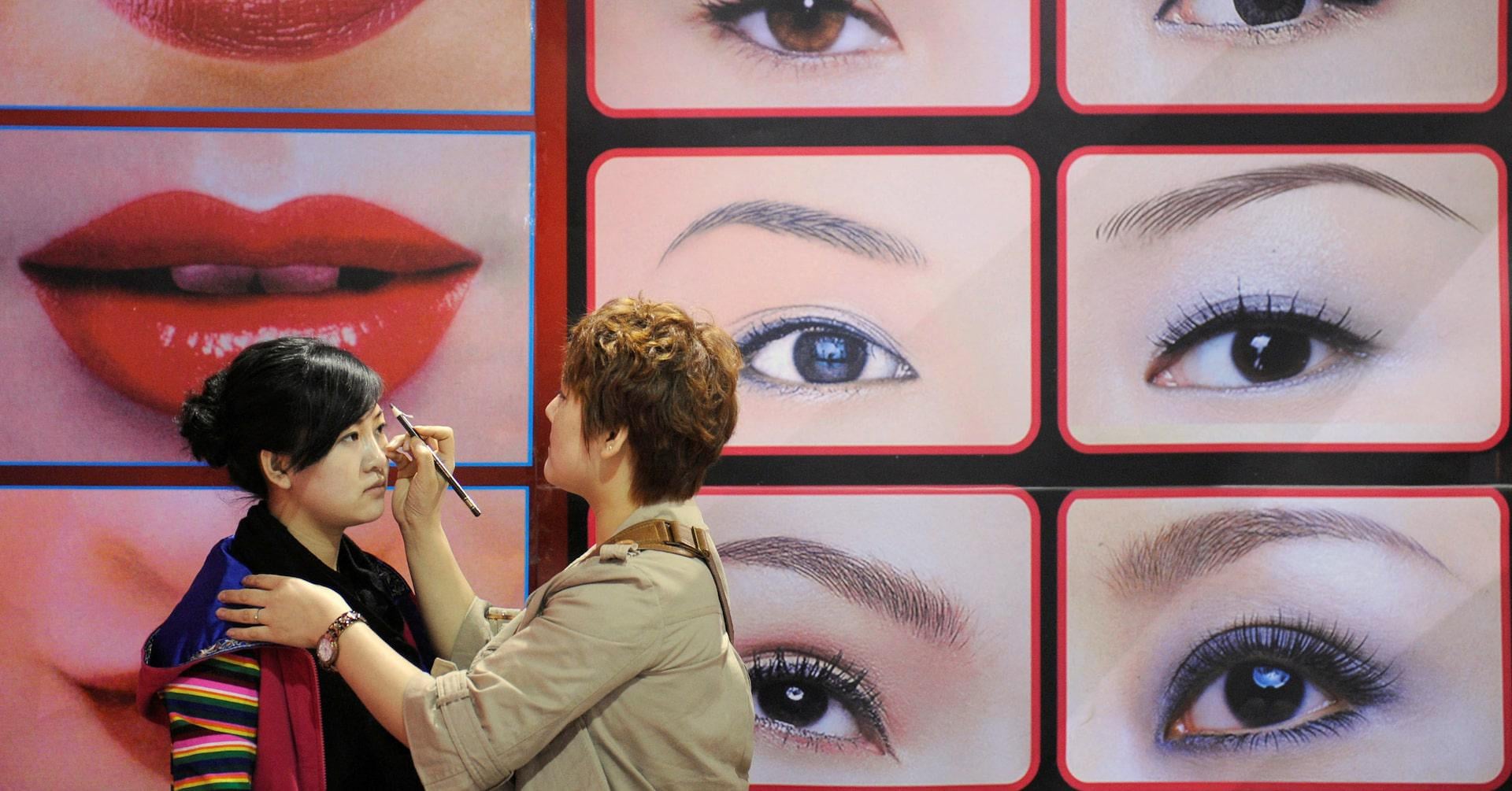
>The hashtag phrase “beauty in the time of economic upswings,” often accompanied by early 2000s pictures of celebrities wearing bright clothes and make-up or music videos and TV ads from that period, surged in social media mentions over the summer just as 12.2 million university students graduated.
>They entered one of the most challenging job markets in decades – pandemic years aside – as the world’s second-largest economy grapples with higher U.S. trade tariffs, deflation, industrial overcapacity and sluggish domestic consumption.
>While China is growing at roughly 5% this year, analysts describe it as a dual-speed economy, with manufacturing and exports running strong, while households struggle. The current pace is half of that from the 2001-2010 decade.
>”The economy has its cycles, but youth doesn’t come twice,” a social media user wrote on a widely-shared post on the topic.
>China’s ruling Communist Party exerts a high degree of control over domestic media and social media in the name of safeguarding social stability and preventing the spread of rumours and fake news.
>Reports and public discussions on what the Party considers as sensitive are routinely removed from the internet, including views critical of the economy and any veiled criticism of policymakers.
>Xiao Qiang, the founder of U.S.-based China Digital Times, which tracks China censorship, says the topic’s popularity “poses a challenge to the authorities mainly because it uses everyday symbols, such as make-up and fashion, to subtly express dissatisfaction with economic decline and life pressure.”
>”It creates a collective atmosphere of nostalgia and indirect criticism,” Xiao said. “It can quietly erode public confidence in the official economic narrative.”
>The content is “awkward” for censors, says Xiao, as most users share opinions over the aesthetics of China’s recent past and express positive emotions.
RadioRavenRide on
Well nostalgia generally starts 20 years ago right?

2 Comments
>Dwindling job and income prospects in China are fuelling intense social media chatter about the fashion and culture of the country’s high-growth period 20 years ago, in what analysts describe as a way to express discontent about the economy without attracting censorship.
>The hashtag phrase “beauty in the time of economic upswings,” often accompanied by early 2000s pictures of celebrities wearing bright clothes and make-up or music videos and TV ads from that period, surged in social media mentions over the summer just as 12.2 million university students graduated.
>They entered one of the most challenging job markets in decades – pandemic years aside – as the world’s second-largest economy grapples with higher U.S. trade tariffs, deflation, industrial overcapacity and sluggish domestic consumption.
>While China is growing at roughly 5% this year, analysts describe it as a dual-speed economy, with manufacturing and exports running strong, while households struggle. The current pace is half of that from the 2001-2010 decade.
>”The economy has its cycles, but youth doesn’t come twice,” a social media user wrote on a widely-shared post on the topic.
>China’s ruling Communist Party exerts a high degree of control over domestic media and social media in the name of safeguarding social stability and preventing the spread of rumours and fake news.
>Reports and public discussions on what the Party considers as sensitive are routinely removed from the internet, including views critical of the economy and any veiled criticism of policymakers.
>Xiao Qiang, the founder of U.S.-based China Digital Times, which tracks China censorship, says the topic’s popularity “poses a challenge to the authorities mainly because it uses everyday symbols, such as make-up and fashion, to subtly express dissatisfaction with economic decline and life pressure.”
>”It creates a collective atmosphere of nostalgia and indirect criticism,” Xiao said. “It can quietly erode public confidence in the official economic narrative.”
>The content is “awkward” for censors, says Xiao, as most users share opinions over the aesthetics of China’s recent past and express positive emotions.
Well nostalgia generally starts 20 years ago right?