
Joe Rogan, and recently even Joy Behar on the view, have said that stand-up comedians are the “last line of defense.” At first glance, it sounds like ego-driven hyperbole. But the more you dig, the more that line starts to feel like a quiet admission. A very large admission.
In the early days of American stand-up, comedians were overwhelmingly Jewish. That’s not a stereotype, it’s statistical fact. According to Time magazine in 1978, Jews made up about 3% of the U.S. population, yet accounted for roughly 80% of professional comedians. That’s a staggering overrepresentation.
Some have speculated that this isn’t just cultural. The OSS, the precursor to the CIA, was itself heavily staffed with Jewish intellectuals, writers, and artists during WWII. It’s worth asking whether comedy, especially satire, was seen as a soft-power weapon. Something not just tolerated, but actively cultivated.
Comedy has always been a sharp tool against hypocrisy, power abuse, and societal stagnation. Jokes can slip past censors. Satire can reframe public perception. In authoritarian regimes, comedians are often among the first to be silenced. That alone should tell you how powerful comedy can be when used strategically.
It's well documented that comedians have been used by intelligence agencies for decades. Look into comedian Dick Gregory for an obvious example.
But what about today?
If you look into the backgrounds of some of today's biggest comedians, you’ll find strange coincidences and unlikely career trajectories. Media access that defies logic. Viral moments that feel manufactured. PR support that would bankrupt a startup.
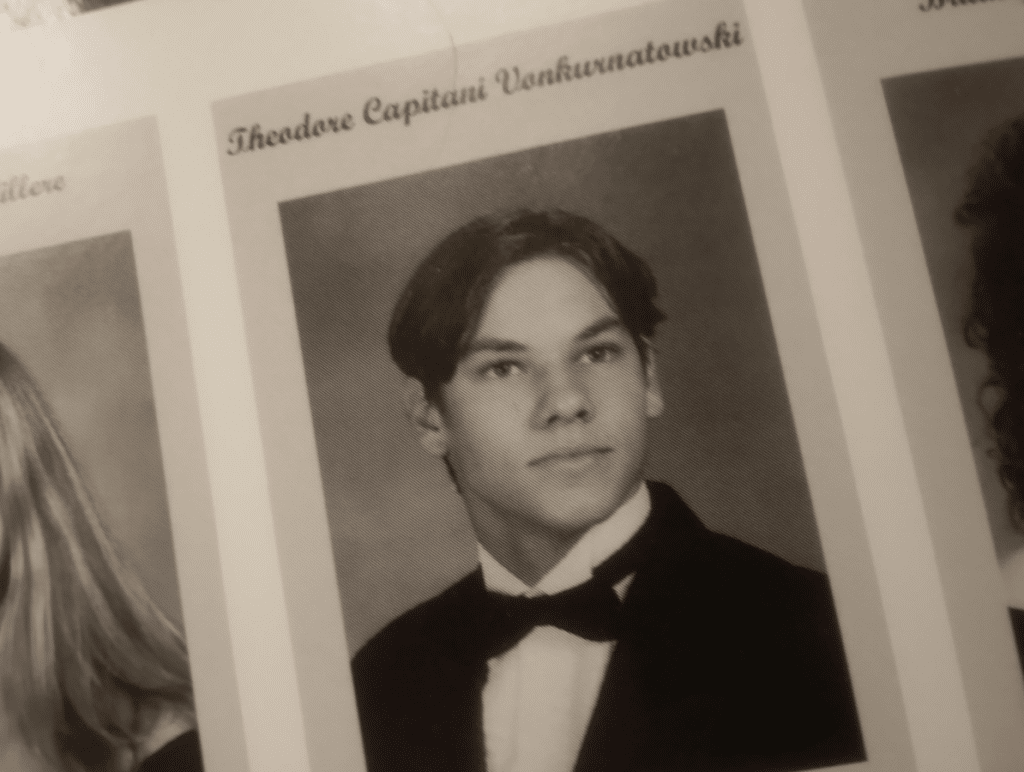
I’ve recently been digging into Theodor Capitani von Kurnatowski III, better known as Theo Von. On the surface, his story bleeds hardship: homeless as a teenager, distant parents, rising out of the chaos. But the deeper you look, the more red flags you find. Selective origin stories. Quiet rebranding. Access to funds and platforms that most struggling comics could never dream of.
I’m not making definitive claims about Theo Von here. Not yet, but I am saying it’s worth looking closer at how certain comedians rise to prominence, and what function they serve once they get there.
Are comedians really the “last line of defense”? Or are they the last acceptable messengers of state-approved dissent?
Would love to hear others’ thoughts or findings on this.
If you don't know about Theo Vons shady background, you can read more about it at the link below.
Theo Von – The Prussian Prince of Podcasting: What He Doesn’t Want You To Know
Posted by six20five6205
6 Comments
OP you’re a juicy hamburger at a hotdog stand. Gang gang bre.
JR is also the worst comedian. Never get more than a chuckle
he probably means the normie-skewing meaning that the jester is the only one who is free to speak truth against power, because the jester can be excused as being joking.
but let’s think differently. maybe he means that it’s hard to fight back when you’re laughing too much. and consider the natural crossover between martial artists and clowns. loose clothing. ridiculous poses. the element of surprise.
I’ve only ever heard any comic say that in reference to free speech
So his dad’s the deepstate… that don’t impressa me much
When it comes to Joe Rogan the comedian being the last line of defense, I take it to mean he was our last chance before the election to get some real answers out of Trump and throw him the hardball questions he’s avoided his entire life when he went on the podcast…but nope. That last line of defense didn’t hold up and Joe just let him wander right on past and take the white house