
Excerpt:
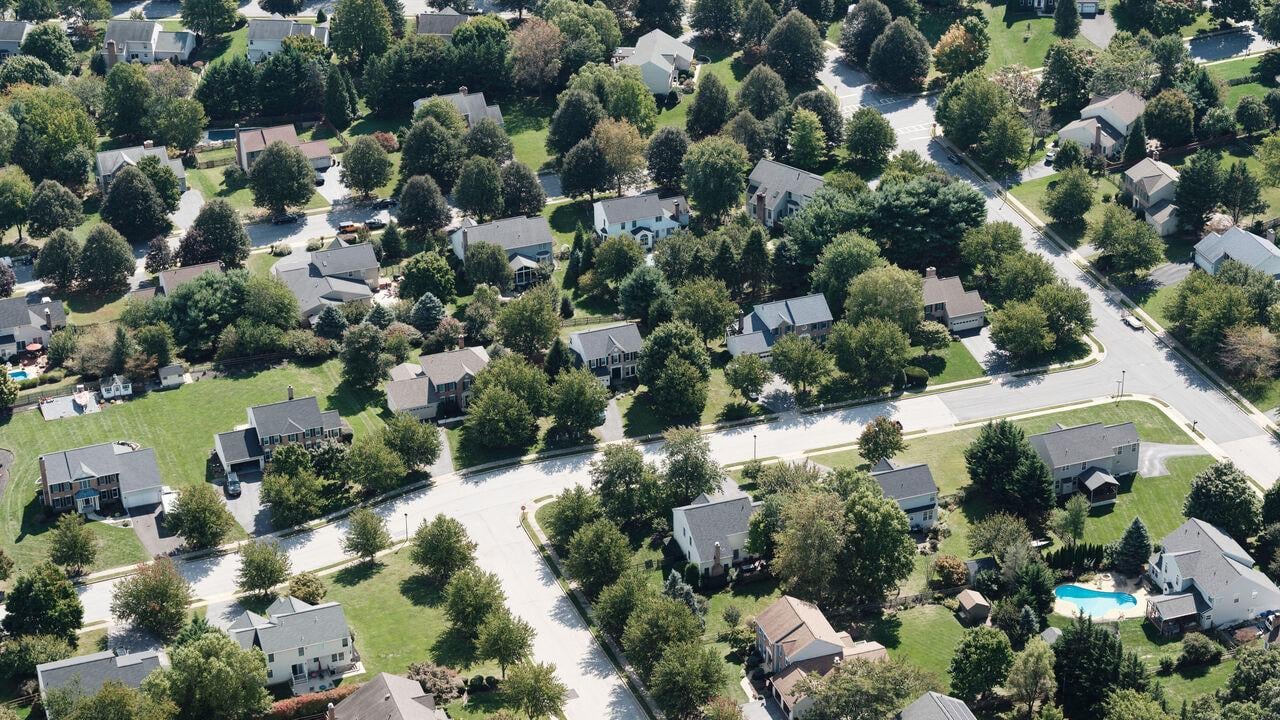
Montgomery County is one of the 30 richest counties in America. Its 1m residents voted nearly 75% for Kamala Harris in the 2024 election. When the Democratic-controlled county council entertained a plan last fall to rezone large swathes of exclusively single-family-home neighbourhoods—allowing for multi-unit dwellings, townhouses and apartment buildings—liberal suburbanites rained hell. “This is a radical change that will be the death of single-family communities,” said one man, as hundreds gathered to mock and boo council members in a high-school auditorium. “There was massive resistance,” recalled Will Jawando, a council member. “People were apoplectic.” That backlash helped whittle down the proposed rezoning to little more than 1% of single-family homes along main thoroughfares, which the council passed this July, over more boos and groans.
. . .
“When it comes to housing, expanding the supply of homes will reduce the rapid acceleration of housing values. That is what abundance is supposed to do,” says Richard Kahlenberg, author of the book “Excluded” and director of housing policy at the Progressive Policy Institute. When Donald Trump took the White House in 2016, yard signs began to pop up with platitudes like “Black Lives Matter”, “No Human is Illegal” and “Science is Real”. “None of that requires an ounce of sacrifice on the account of progressive elites,” says Mr Kahlenberg, a county resident. “Voters who are completely opposed to building a wall with Mexico are quite comfortable building walls around their communities.”
Homeowners naturally reject the charge of elitism. They see so-called affordable housing as a Trojan horse—a means by which developers can lay claim to the suburbs. “No developer giveaways at our expense,” read yard signs outside quaint million-dollar homes on the drive into Washington. Far from making housing more affordable, residents expect the arrival of luxury developments to raise their home values. They can point to a house in the town of Chevy Chase that sold for $1.6m and was converted into three luxury townhouses, each listed for more than $3m. “It’s a total scam to benefit developers instead of representing the people that live here,” said Gerald Smith, an interior architect, who is among the dozens protesting the rezoning effort on Connecticut Avenue, a thoroughfare into Washington.
Democratic infighting has fuelled a competition for progressive virtue. Kim Persaud, a community activist from the heavily Hispanic town of Wheaton, called rezoning a “racist policy” and “blatant injustice” that would displace black and Hispanic renters so wealthy white people can live in luxury condos. She said the majority of those for rezoning are “young white kids who come from privilege” and whose parents could gift them a down payment. During a county hearing, one self-described white, privileged young renter said that the rezoning proposal was necessary to house “the thousands of queer people, people of colour and immigrants who live in dangerous, conservative states and need to move to our sanctuary county”.
Posted by TIYATA
1 Comment
On the other hand, another article in The Economist this week looked at YIMBY successes in Washington, DC:
https://www.economist.com/united-states/2025/08/17/welcome-to-the-yimbyest-neighbourhood-in-america
> The zipcode that encompasses NoMa has had more new apartment units added than anywhere else in the country since 2017, according data from Yardi, a real-estate software company (see chart). Long Island City, just across the East River from Manhattan, is in second place. Not far behind is Navy Yard, a nearby Washington, DC neighbourhood with a similar feel, though with a reputation for housing a slightly Trumpier crowd.
>
> . . .
>
> NoMa is, in short, not far off the stuff of YIMBY dreams. “Yes in my backyard” activists—often twenty- or thirty-somethings radicalised by the high cost of rent in big cities—want to make it easier to build more, and denser, housing to raise the supply of homes and ultimately pull down prices. Many YIMBYs have flocked to NoMa; the Institute for Progress, an influential YIMBY think tank, has its headquarters there.
>
> Aesthetics aside, then, has the flood of new apartments in NoMa made a difference to housing affordability? Very possibly. Home prices in the Greater Washington area rose roughly in line with other big American cities in the 1990s and 2000s, but have lagged them over the past decade or so–just as the building boom in areas like NoMa and Navy Yard got going. That has hardly left the city cheap, but has made it at least less-exorbitant than East Coast peers like New York or Boston.
>
> But the political bargain that has allowed NoMa to deliver all those units quickly, and cheaply, was a relatively unusual one. For a start, very few people had lived in the area since the original residents of Swampoodle were turfed out in the early 20th century to make way for Union Station. That meant no local NIMBYs to complain about new construction. Serious residential development in the area only became viable after a new metro station for the neighbourhood was added in 2004, jointly funded by local government, the federal government (keen on new office space near Capitol Hill) and housing developers.