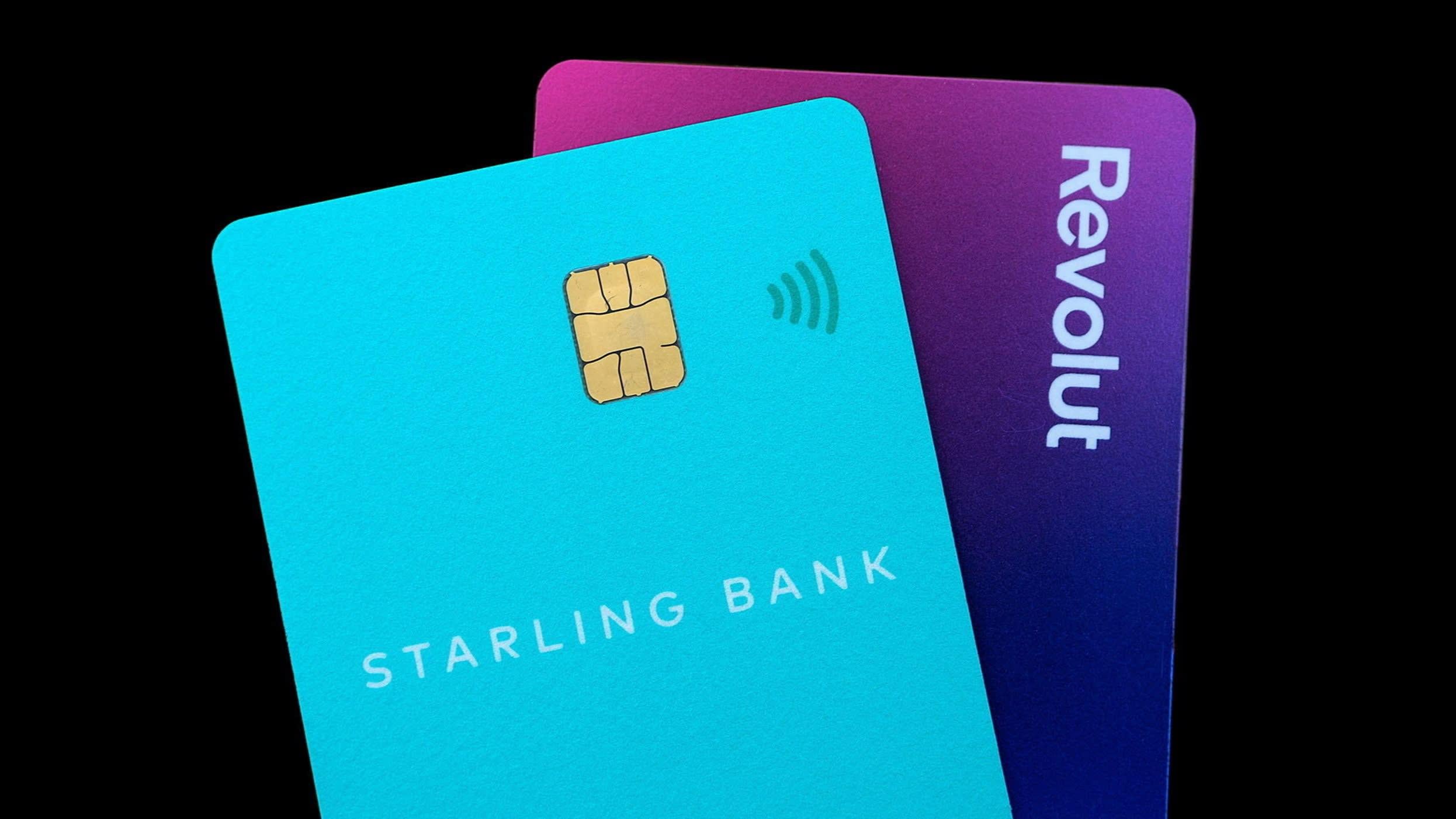
> British fintechs are stepping up plans to buy US banks as regulators signal a more relaxed approach to mergers under the Trump administration. UK digital banks Revolut and Starling are weighing acquisitions of nationally chartered banks in the US, which would allow them to be granted American banking licences and lend across all 50 states. Revolut, Europe’s biggest fintech, has approached advisers including Bank of America about buying a US bank, according to one person familiar with the matter. Acquisitions are seen by many as a way of accelerating growth in the US and being granted a licence more quickly than applying from scratch. The US offers access to new customers and significant deposits at a time when many large UK fintechs are winning customers in their home market at a slower rate than before. Declan Ferguson, chief financial officer of Starling, said the company was considering applying for a US banking licence but that an acquisition might be quicker: “We’re considering both paths although we are probably more inclined towards acquisition.” Revolut and Bank of America declined to comment.
> The takeover plans come as regulators in the US adopt a more relaxed attitude to policing takeovers. “The window is open and it may not stay open — so it would be best to move now,” said David Portilla, a partner specialising in financial institutions at US law firm Davis Polk. Michelle Bowman, vice-chair of supervision at the Federal Reserve, signalled plans for a more bank-friendly approach, including faster approvals of mergers, shortly after being confirmed in the role in June. The two other main US bank regulators — the Federal Deposit Insurance Corporation and the Office of the Comptroller of the Currency (OCC) — have rescinded guidance that had made deals harder to complete. Banks can also apply for charters through the OCC, but that process has historically taken years as regulators pore over companies’ processes and data. In 2021, Monzo pulled out of its US banking application after it hit an impasse with American regulators, who indicated that it would be unlikely to be approved.
> UK business lender OakNorth bought the Michigan-based Community Unity Bank in March, a move its chief risk officer Mark Steele said had given it a “foothold” in the US. “Speed was part of the rationale [over an application] but it was more that you have a technology, a workforce and a frame to build from, rather than building from the ground up.” But executives at the UK’s biggest fintechs now believe Trump’s deregulatory push will speed up the process of having a banking licence approved through the OCC, as well as making mergers easier. Two executives said they had noticed a shift in the attitude from the OCC and that many fintechs were increasingly exploring applying for a licence themselves. Klarna, the buy-now-pay-later app which is planning imminently to list in New York, is considering applying for a US banking licence but is likely to make any decision after an initial public offering, one of the people added. Klarna declined to comment.
> Another executive added that buying a charter through an acquisition could still bring complications because watchdogs investigate changes of ownership to ensure the buyer has the infrastructure needed to maintain a bank’s operations. Another challenge is the US retail banking market’s dependence on physical branches — unlike the UK, where even traditional lenders have reduced their high street presence. Digital lenders which acquire a US bank could find themselves managing a costly store estate — something neobanks purposefully shunned in the UK. OakNorth, a digital lender set up in 2015, now has its first physical branch — in Michigan. “That’s one of the number of things that we thought about as we went through the process in terms of the pros and cons of the decision,” said Steele, who added that most of the bank’s US growth would come through digital lending.

2 Comments
> British fintechs are stepping up plans to buy US banks as regulators signal a more relaxed approach to mergers under the Trump administration. UK digital banks Revolut and Starling are weighing acquisitions of nationally chartered banks in the US, which would allow them to be granted American banking licences and lend across all 50 states. Revolut, Europe’s biggest fintech, has approached advisers including Bank of America about buying a US bank, according to one person familiar with the matter. Acquisitions are seen by many as a way of accelerating growth in the US and being granted a licence more quickly than applying from scratch. The US offers access to new customers and significant deposits at a time when many large UK fintechs are winning customers in their home market at a slower rate than before. Declan Ferguson, chief financial officer of Starling, said the company was considering applying for a US banking licence but that an acquisition might be quicker: “We’re considering both paths although we are probably more inclined towards acquisition.” Revolut and Bank of America declined to comment.
> The takeover plans come as regulators in the US adopt a more relaxed attitude to policing takeovers. “The window is open and it may not stay open — so it would be best to move now,” said David Portilla, a partner specialising in financial institutions at US law firm Davis Polk. Michelle Bowman, vice-chair of supervision at the Federal Reserve, signalled plans for a more bank-friendly approach, including faster approvals of mergers, shortly after being confirmed in the role in June. The two other main US bank regulators — the Federal Deposit Insurance Corporation and the Office of the Comptroller of the Currency (OCC) — have rescinded guidance that had made deals harder to complete. Banks can also apply for charters through the OCC, but that process has historically taken years as regulators pore over companies’ processes and data. In 2021, Monzo pulled out of its US banking application after it hit an impasse with American regulators, who indicated that it would be unlikely to be approved.
> UK business lender OakNorth bought the Michigan-based Community Unity Bank in March, a move its chief risk officer Mark Steele said had given it a “foothold” in the US. “Speed was part of the rationale [over an application] but it was more that you have a technology, a workforce and a frame to build from, rather than building from the ground up.” But executives at the UK’s biggest fintechs now believe Trump’s deregulatory push will speed up the process of having a banking licence approved through the OCC, as well as making mergers easier. Two executives said they had noticed a shift in the attitude from the OCC and that many fintechs were increasingly exploring applying for a licence themselves. Klarna, the buy-now-pay-later app which is planning imminently to list in New York, is considering applying for a US banking licence but is likely to make any decision after an initial public offering, one of the people added. Klarna declined to comment.
> Another executive added that buying a charter through an acquisition could still bring complications because watchdogs investigate changes of ownership to ensure the buyer has the infrastructure needed to maintain a bank’s operations. Another challenge is the US retail banking market’s dependence on physical branches — unlike the UK, where even traditional lenders have reduced their high street presence. Digital lenders which acquire a US bank could find themselves managing a costly store estate — something neobanks purposefully shunned in the UK. OakNorth, a digital lender set up in 2015, now has its first physical branch — in Michigan. “That’s one of the number of things that we thought about as we went through the process in terms of the pros and cons of the decision,” said Steele, who added that most of the bank’s US growth would come through digital lending.
Makes sense. Worked for TD