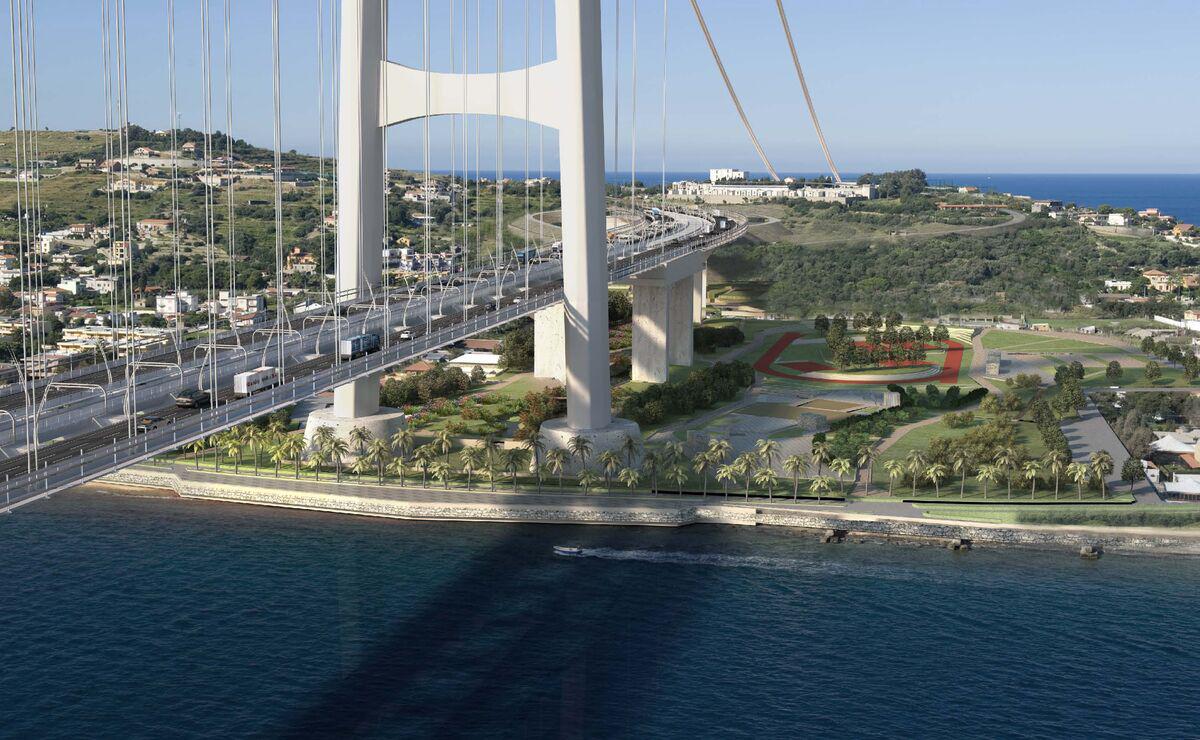
The US said it disapproves of any creative accounting by European allies to reach a new NATO spending target, putting Italy on the spot as the government weighs whether to count the construction of the world’s longest suspension bridge as military expenditure.
“I have had conversations even today with some countries that are taking a very expanded view of defense related spending,” US Ambassador to NATO Matthew Whitaker said in an interview at the Bled Strategic Forum in Slovenia on Tuesday.
It was “very important” that the 5% target referred specifically to defense and defense-related spending and that the commitment was taken “with a straight face,” according to the envoy.
“It wasn’t bridges that have no military strategic value,” he said. “It was not schools that somehow, in some imaginary fantasy land, would be used for some other military reason.”
TheBatz_ on
Heartbreaking: Worst person you know makes a good point
LizTrussAltAccount on
I can’t believe this is how I find out Italy is planning to build the Strait of Messina Bridge
OrbitalAlpaca on
How common is counting infrastructure projects as military spending?
Golda_M on
There are inevitably a lot of disingenuous games at play.
The %gdp target is a very aloof policy structure. Its about fairness, freeriding and suchlike. Quite estranged from actual defence.
Irl… Europe’s defensive needs are pretty specific. A lot (most?) of Italy’s military expenditure isn’t relevant to the goal regardless. Its navy is. But naval power isnt a strategic weakness.
Otoh… it matters a lot what Poland invests in land forces. It matter even more what Baltics spend, or others spend on Baltic defence. Ammo stockpiles matter regardless of where they are. Mind blowingly expensive air force training matters.
This policy is like investing in education broadly because you need more doctors. Not senseless, but not efficient either.
This bridge has become an emblem. Italy’s reputation make the narrative even more obvious. But… this is pretty much built into the structure.
I’d be more concerned with the other end. How much is going into the actually underfunded “holes.”

5 Comments
The US said it disapproves of any creative accounting by European allies to reach a new NATO spending target, putting Italy on the spot as the government weighs whether to count the construction of the world’s longest suspension bridge as military expenditure.
“I have had conversations even today with some countries that are taking a very expanded view of defense related spending,” US Ambassador to NATO Matthew Whitaker said in an interview at the Bled Strategic Forum in Slovenia on Tuesday.
It was “very important” that the 5% target referred specifically to defense and defense-related spending and that the commitment was taken “with a straight face,” according to the envoy.
“It wasn’t bridges that have no military strategic value,” he said. “It was not schools that somehow, in some imaginary fantasy land, would be used for some other military reason.”
Heartbreaking: Worst person you know makes a good point
I can’t believe this is how I find out Italy is planning to build the Strait of Messina Bridge
How common is counting infrastructure projects as military spending?
There are inevitably a lot of disingenuous games at play.
The %gdp target is a very aloof policy structure. Its about fairness, freeriding and suchlike. Quite estranged from actual defence.
Irl… Europe’s defensive needs are pretty specific. A lot (most?) of Italy’s military expenditure isn’t relevant to the goal regardless. Its navy is. But naval power isnt a strategic weakness.
Otoh… it matters a lot what Poland invests in land forces. It matter even more what Baltics spend, or others spend on Baltic defence. Ammo stockpiles matter regardless of where they are. Mind blowingly expensive air force training matters.
This policy is like investing in education broadly because you need more doctors. Not senseless, but not efficient either.
This bridge has become an emblem. Italy’s reputation make the narrative even more obvious. But… this is pretty much built into the structure.
I’d be more concerned with the other end. How much is going into the actually underfunded “holes.”