Seven sites operated by foreign companies – six of them Chinese – have been attacked over the past six weeks by the jihadist coalition JNIM in Mali, resulting in at least 11 kidnappings of Chinese nationals as part of a new strategy by JNIM to undermine the ruling junta.
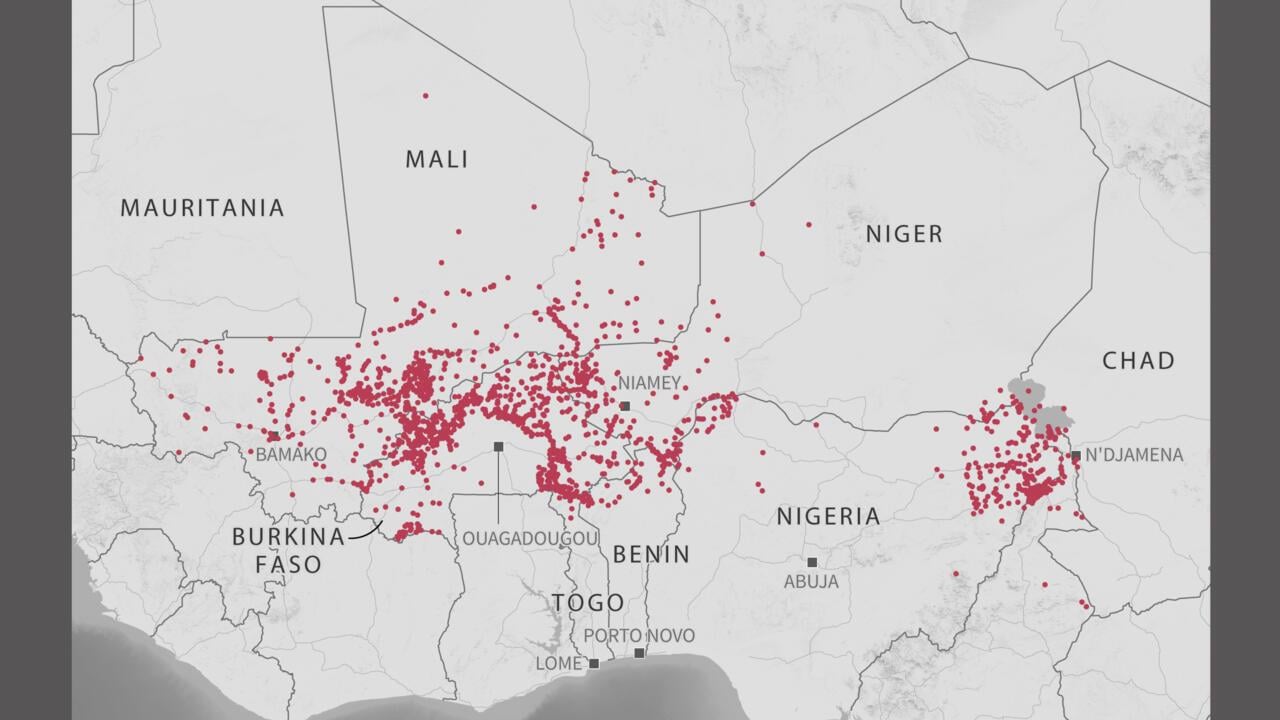
Since its creation in 2017, the Support Group to Islam and Muslims (JNIM in Arabic) has grown to be one of the most powerful non-state actors in the world, tripling in size since 2021 and capturing large territories in the Sahel, expanding operations beyond their core territories in Mali, Burkina Faso and Niger into northern Benin and Togo. Now operating as a proto-state in Mali and Burkina Faso, JNIM has sought to diversify their sources of income by getting involved in [the profitable drug and human trafficking in the Sahara](https://www.dw.com/en/how-the-sahel-became-a-smuggling-hotspot/a-73414085) and has expanded racketeering to foreign firms operating in Mali.
Since they seized power from the civilian government in 2020 and 2021, the Malian junta has performed a drastic pivot in foreign policy, expelling French forces and seizing Western assets in the country, while turning to Russia, China and Turkey for military assistance in battling the growing jihadist insurgency and economic opportunities to exploit Mali’s rich natural resources, particularly gold and lithium.
Chinese investments in the country represented €1.6 billion between 2009 and 2024, and Chinese firms were quick to seize the opportunity for advantageous deals with the new authorities following their geopolitical pivot. But in the western region of Kayes where 80% of Mali’s gold is produced, until recently spared from the violence that was concentrated in northern and central Mali, JNIM have launched dozens of attacks against the Malian Army and foreign-held sites since June in order to disrupt the junta’s income streams.
Beijing has urged the junta to take all necessary measures to protect Chinese nationals within the country – but despite assistance from Russia and Turkey, the Malian authorities are struggling to contain the jihadist insurgency, threatening foreign economic interests in the country. Bamako’s government is being assisted by Russian paramilitaries on the ground; [a report by The Sentry published last month](https://thesentry.org/reports/mercenary-meltdown-wagner-failure-mali/) showed that the presence of Wagner, then Africa Corps mercenaries, despite some success in 2023-24, had not only disrupted the relationship between the civilian population and the military by carrying out severe human rights abuses – including torture and rape – but had also sowed discord and resentment among the Malian Armed Forces, who alleged instances of preferential treatment given to Russians in medivac operations, unwillingness to assist the Malians unless they were paid in advance even under emergency situations, lack of accountability and respect of the chain of command by Russians, and systematic racism by Russian paramilitaries against their Malian partners.

1 Comment
!ping AFRICA&CN-TW
Seven sites operated by foreign companies – six of them Chinese – have been attacked over the past six weeks by the jihadist coalition JNIM in Mali, resulting in at least 11 kidnappings of Chinese nationals as part of a new strategy by JNIM to undermine the ruling junta.
Since its creation in 2017, the Support Group to Islam and Muslims (JNIM in Arabic) has grown to be one of the most powerful non-state actors in the world, tripling in size since 2021 and capturing large territories in the Sahel, expanding operations beyond their core territories in Mali, Burkina Faso and Niger into northern Benin and Togo. Now operating as a proto-state in Mali and Burkina Faso, JNIM has sought to diversify their sources of income by getting involved in [the profitable drug and human trafficking in the Sahara](https://www.dw.com/en/how-the-sahel-became-a-smuggling-hotspot/a-73414085) and has expanded racketeering to foreign firms operating in Mali.
Since they seized power from the civilian government in 2020 and 2021, the Malian junta has performed a drastic pivot in foreign policy, expelling French forces and seizing Western assets in the country, while turning to Russia, China and Turkey for military assistance in battling the growing jihadist insurgency and economic opportunities to exploit Mali’s rich natural resources, particularly gold and lithium.
Chinese investments in the country represented €1.6 billion between 2009 and 2024, and Chinese firms were quick to seize the opportunity for advantageous deals with the new authorities following their geopolitical pivot. But in the western region of Kayes where 80% of Mali’s gold is produced, until recently spared from the violence that was concentrated in northern and central Mali, JNIM have launched dozens of attacks against the Malian Army and foreign-held sites since June in order to disrupt the junta’s income streams.
Beijing has urged the junta to take all necessary measures to protect Chinese nationals within the country – but despite assistance from Russia and Turkey, the Malian authorities are struggling to contain the jihadist insurgency, threatening foreign economic interests in the country. Bamako’s government is being assisted by Russian paramilitaries on the ground; [a report by The Sentry published last month](https://thesentry.org/reports/mercenary-meltdown-wagner-failure-mali/) showed that the presence of Wagner, then Africa Corps mercenaries, despite some success in 2023-24, had not only disrupted the relationship between the civilian population and the military by carrying out severe human rights abuses – including torture and rape – but had also sowed discord and resentment among the Malian Armed Forces, who alleged instances of preferential treatment given to Russians in medivac operations, unwillingness to assist the Malians unless they were paid in advance even under emergency situations, lack of accountability and respect of the chain of command by Russians, and systematic racism by Russian paramilitaries against their Malian partners.