
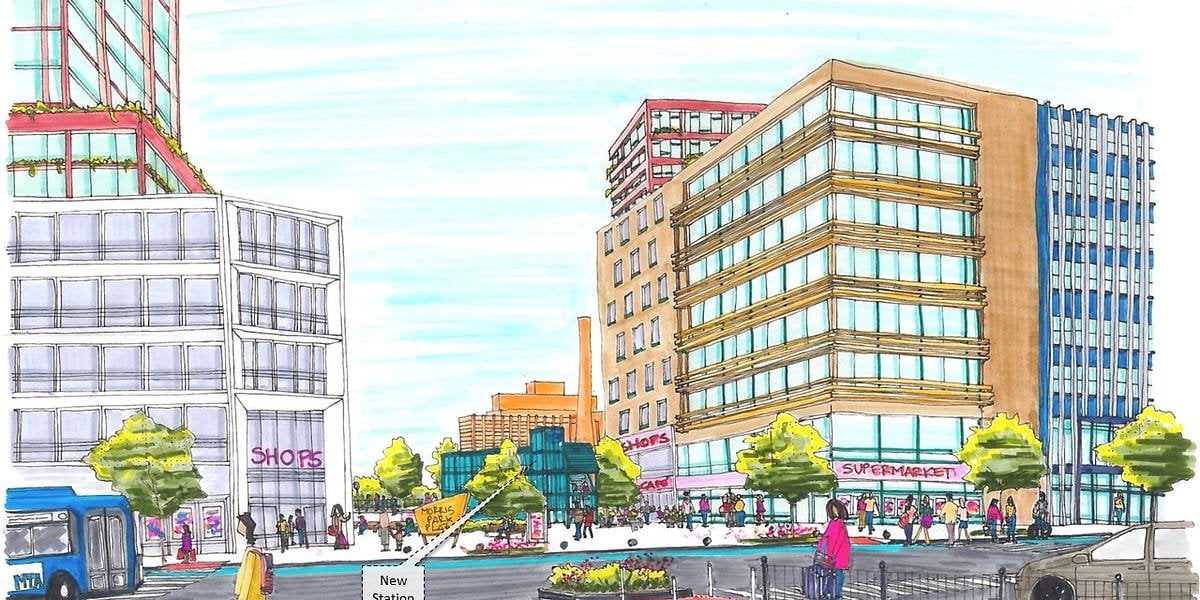
How environmental review is strangling New York’s future | Making housing cheaper and building better transit is being stymied by New York’s environmental review laws
Posted by Independent-Low-2398
How environmental review is strangling New York’s future | Making housing cheaper and building better transit is being stymied by New York’s environmental review laws
Posted by Independent-Low-2398
1 Comment
> These environmental impact studies are incredibly detailed and wide-reaching — often extending to hundreds of pages of analysis. This meticulousness stems from the way that SEQRA is enforced and New York’s very broad definition of the environment:
> The other factor that incentivizes agencies to be exceptionally thorough with their environmental reviews is SEQRA’s private enforcement mechanism. Anyone who believes they’ve been harmed due to a government agency improperly following the environmental review process can sue in court. If they convince a judge that the government agency insufficiently studied the likely impact on the environment, then the court can freeze the project, and require the environmental review to be restarted. That could cause huge delays to a project, so agencies have a strong incentive to be exceptionally thorough with their reviews, to reduce the chance of a legal challenge in the future.
> In practice, however, other laws like the Clean Air Act, the Clean Water Act, and the Endangered Species Act did far more to improve the health of our natural environment than environmental review procedures. These laws actually forbid the actions that are most damaging to the environment — unlike NEPA and SEQRA, which just force agencies to “carefully study” the impacts of their actions.
> But in performing these analyses, we incur huge costs and delays. **For private residential projects, environmental review increases project costs by between 11% and 16%, and typically delays construction by around two years.** Project sponsors must pay hundreds of thousands of dollars in fees to environmental consultants, continue paying property tax, and bear the opportunity cost of the years of delay. Similarly, Government-led projects suffer years of delay and incur large in-house and consultant expenses on projects to build infrastructure and housing.
!ping YIMBY&USA-NYC&ECO