
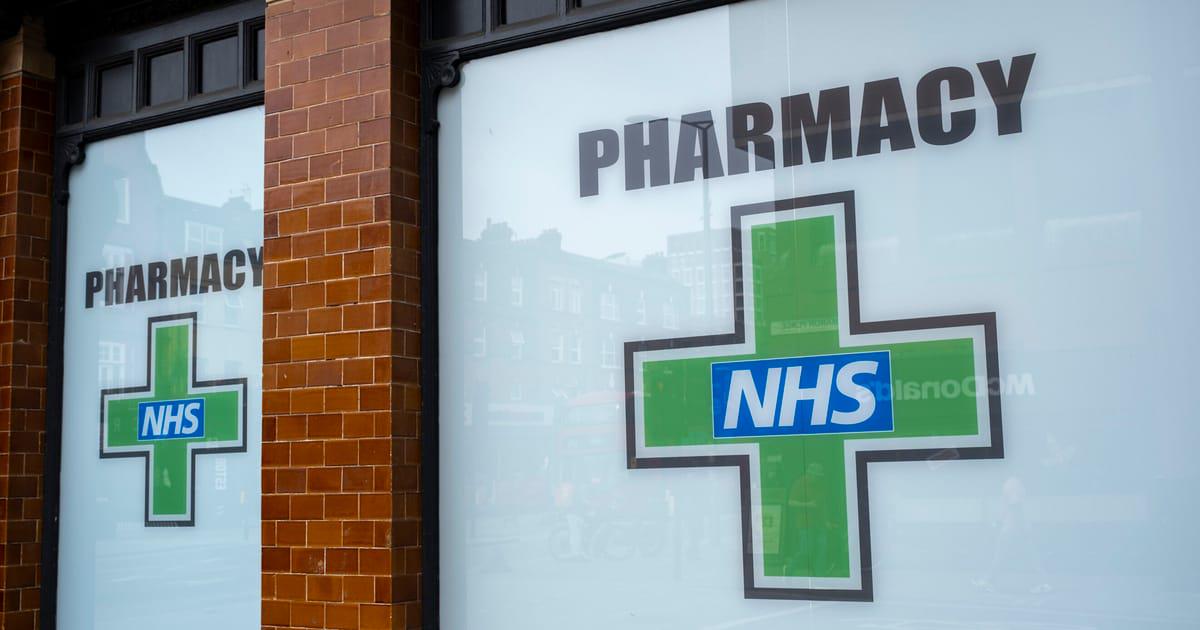
The U.K. government has drawn up proposals to increase the amount the National Health Service pays pharmaceutical firms for drugs, in a bid to steer U.S. President Donald Trump away from his threatened tariffs on the sector.
Officials briefed the Trump administration on fresh proposals to adjust how the NHS prices medicines earlier this week, two industry figures told POLITICO. The core element of the plan includes raising the National Institute for Health and Care Excellence (NICE) threshold by 25 percent.
The NICE threshold measures whether a treatment offers good value for money. Under the current rules, if a drug costs the NHS between £20,000 and £30,000 for every extra year of good-quality life it delivers to a patient, it is considered good value.
Increasing the threshold would make it easier for pricier drugs to reach patients, but would mean the NHS will pay more overall for medicines.
The government is expected to brief U.K. pharmaceutical companies on the details later this week, the same two figures cited above said.
One of the figures said the government had long been resistant to changing the NICE threshold due to the cost to the Treasury for no direct extra benefit, but “we have kicked up enough of a stink and they have given in. This is the price you have to pay post-Trump for global pharma to continue to play in the U.K.”
British pharma giants AstraZeneca and GSK are hoping to strike deals with the Trump administration to avoid tariffs on their exports to the United States.
But the firms are under pressure to streamline their pricing internationally, so that American buyers can pay rates closer to those charged in countries like the U.K., where prices are lower. Reforming NICE’s thresholds could make it easier to do so.
Posted by John3262005