* Extra-large apartment buildings—high-rises and towers developed under transit-oriented development policies—are great, but they’re a) slow and costly to build and b) geographically restricted to small slivers of a city’s land, often the busiest, most polluted corridors.
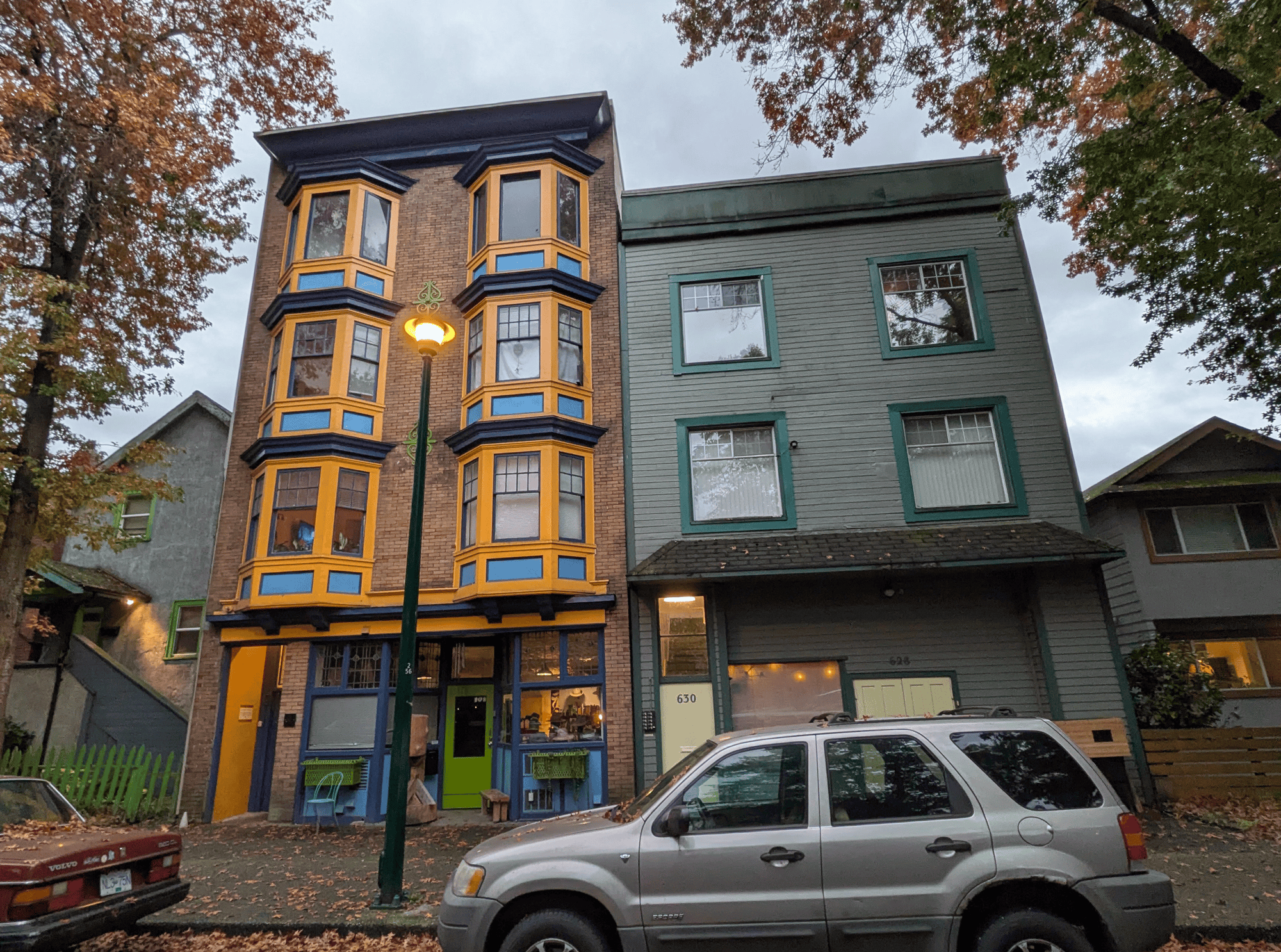
* If the region’s leaders were serious about building more homes fast, there’s an answer in plain sight: small apartment buildings, allowed citywide—just like they used to be, before zoning rules banned them on most urban land.
* Small apartment buildings, typically fitting on a standard single lot and no taller than a mature tree, have numerous advantages: they’re faster, cheaper, a better use of construction workers’ time, and a big opportunity for small local builders. Plus, obviously, they house more people per acre than single-detached homes.
* Re-legalizing small apartment buildings in all neighborhoods would help more people find homes this decade, not the next.

1 Comment
* Extra-large apartment buildings—high-rises and towers developed under transit-oriented development policies—are great, but they’re a) slow and costly to build and b) geographically restricted to small slivers of a city’s land, often the busiest, most polluted corridors.
* If the region’s leaders were serious about building more homes fast, there’s an answer in plain sight: small apartment buildings, allowed citywide—just like they used to be, before zoning rules banned them on most urban land.
* Small apartment buildings, typically fitting on a standard single lot and no taller than a mature tree, have numerous advantages: they’re faster, cheaper, a better use of construction workers’ time, and a big opportunity for small local builders. Plus, obviously, they house more people per acre than single-detached homes.
* Re-legalizing small apartment buildings in all neighborhoods would help more people find homes this decade, not the next.
!ping Can-BC&YIMBY