
Several South Korean firms have pulled or prolonged a pause on investment in U.S. projects after a massive immigration raid on a Hyundai plant in Georgia that resulted in hundreds of Koreans arrested.
Despite reassurances from the Trump administration, South Korean investors remain cautious, according to three people who represent South Korean and East Asia-based firms in the United States that paused or retreated from U.S. investment plans.
As of early this week, at least two companies with projects in development had decided against investing in the U.S. and at least four companies have extended pauses on projects put in place after the Hyundai raid in September, according to two consultants and one lawyer with clients in East Asia.
Tami Overby, an international business consultant who previously headed the U.S.-Korea Business Council at the U.S. Chamber of Commerce, said one Korean firm that had been selecting a site to build in the U.S. decided after the Immigration and Customs Enforcement raid that “it’s too risky with the unpredictability of the U.S. market right now and determined it’s better to do their expansion in Korea.”
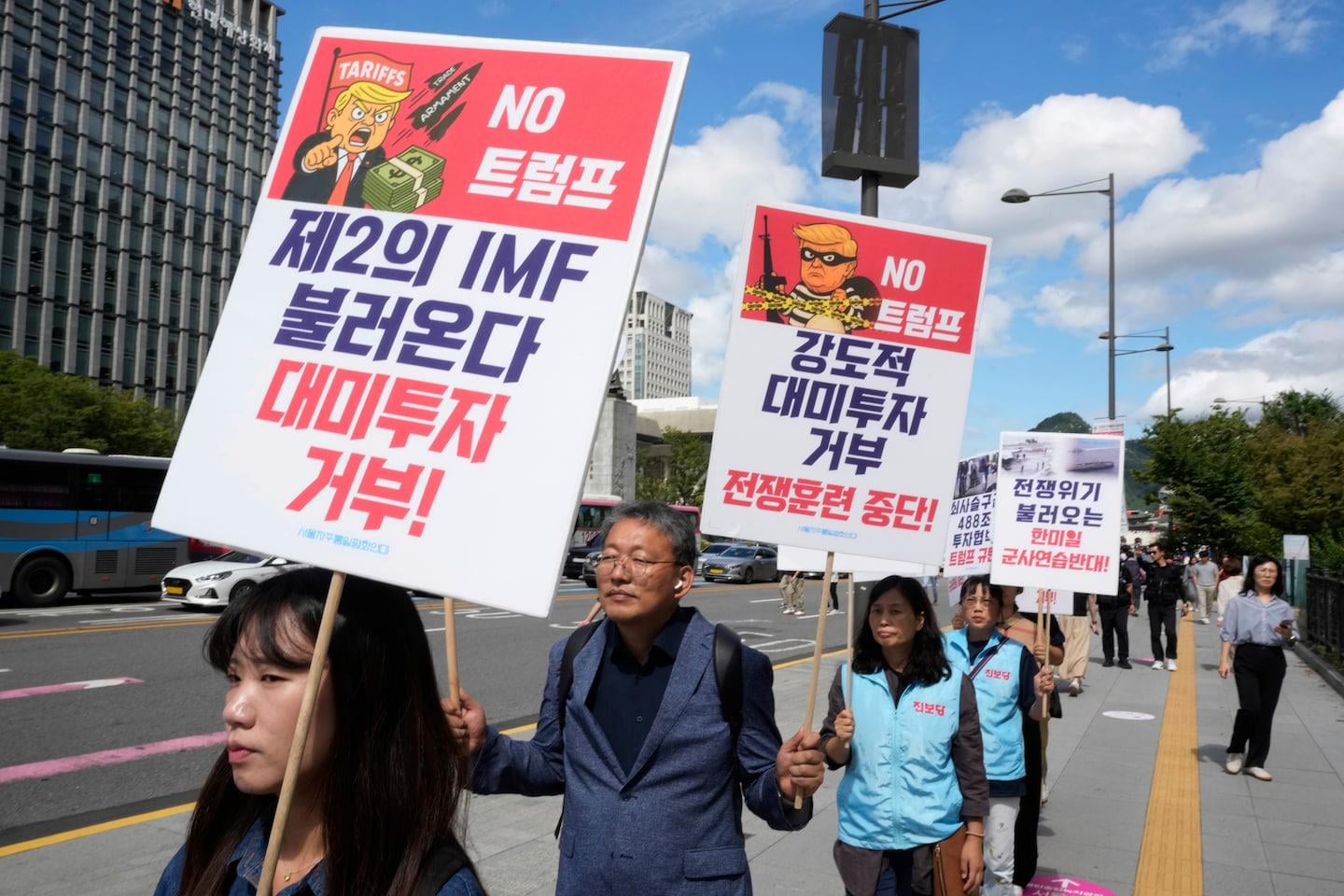
The reluctance to invest in the U.S. could make it tougher for South Korea to fulfill its pledge of $350 billion in U.S. investments in exchange for lower U.S. tariffs in a deal negotiated during President Donald Trump’s visit there this week. South Korea has poured billions of dollars into the U.S. in recent years, into autos, semiconductors, shipbuilding and biotechnology, among other industries.
Meanwhile, lawyers and consultants representing East Asian firms with investments in the U.S. told The Post that South Koreans and other Asian nationals are still afraid of traveling on business and other employer-sponsored visas to the U.S., fears heightened by the administration’s new $100,000 fee on H-1B visas.
Some South Korean firms that had paused U.S. projects have begun to slowly resume operations, said Overby, who is also a former president of the American Chamber of Commerce in South Korea.
Kurt Tong, a managing partner at the Asia Group, said that the new trade agreement and specifically the United States’ softened demands around investment would reassure some Korean investors in the U.S. However, “the Hyundai event still leaves a significant bad aftertaste that may be specifically impacting companies who are still scrambling to figure out their exact immigration compliance methodologies,” said Tong, a former U.S. ambassador for Asia-Pacific Economic Cooperation (APEC).
Posted by John3262005