
Ukraine must avoid backsliding on anti-corruption efforts to remain in the fast lane for EU membership, Enlargement Commissioner Marta Kos said Tuesday as she prepared to unveil a report praising pro-EU reforms in Moldova, Albania and Montenegro.
While lauding Kyiv’s efforts to conduct reforms during wartime, Kos pointed to concerns about the strength of anti-corruption reforms as a potential obstacle following a furor in the summer over a law that would have kneecapped the independence of anti-corruption watchdogs.
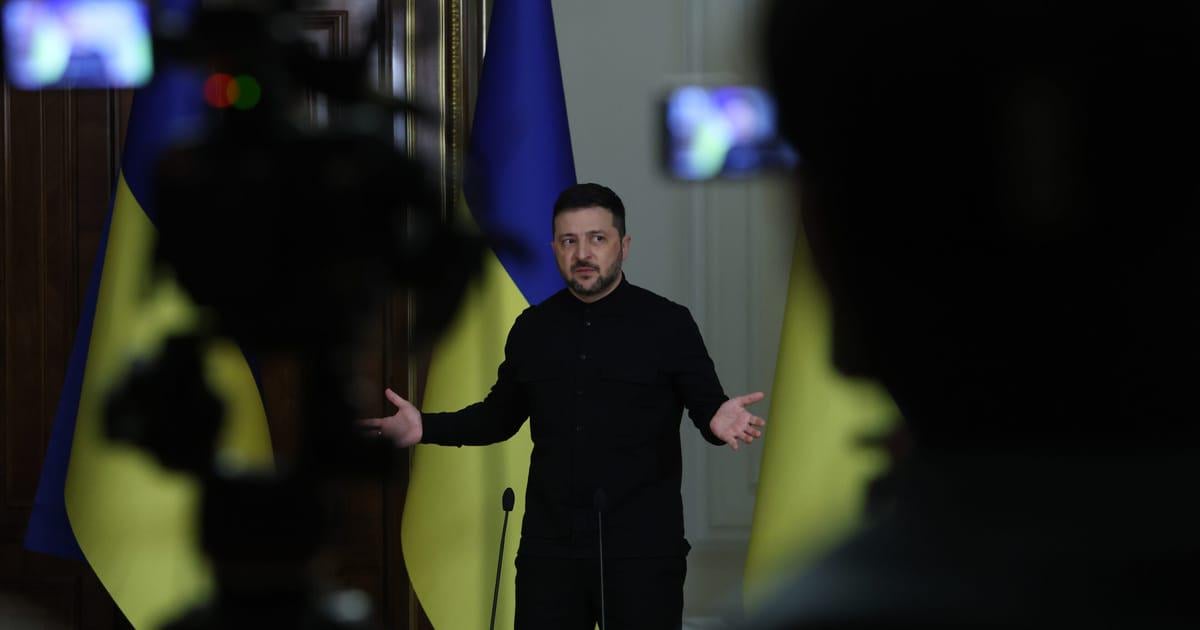
Facing an international outcry, Ukrainian President Volodymyr Zelenskyy reversed course on his controversial decision to assert political control over the anti-corruption agencies and restored the independence of two corruption-fighting bodies in July. But the damage to Ukraine’s image as an A+ candidate for EU membership had already been done in the eyes of the European Commission, as well as national capitals, according to EU officials and diplomats who spoke to POLITICO ahead of the report’s unveiling later on Tuesday afternoon.
The uproar led Kos to give slightly more emphatic praise for Moldova’s reform efforts in the progress report even though Chișinău’s accession bid is politically linked to that of Kyiv, and the two countries have so far advanced in lockstep. “Moldova has progressed on its accession path with accelerated speed and significantly deepened its cooperation with the EU despite the continuous hybrid threats and attempts to destabilize the country,” Kos said.
Of all the countries applying to join the EU, Brussels gave the highest praise to Montenegro, Albania, Ukraine and Moldova, noting that these countries aimed to finalize their accession negotiations by the end of 2026, the end of 2027, and in 2028 for the latter two, respectively. “The coming year will be a moment of truth for all candidate countries, but especially those that presented ambitious plans to complete negotiations,” Kos added.
The report card is expected to be particularly harsh on Serbia, the largest EU candidate country in the Western Balkans, which has received visits from both European Commission President Ursula von der Leyen and Council President António Costa in the past few months. But the harshest words were reserved for Georgia, where a Moscow-friendly ruling party has been cracking down on pro-democracy, pro-EU protests.
Posted by John3262005