
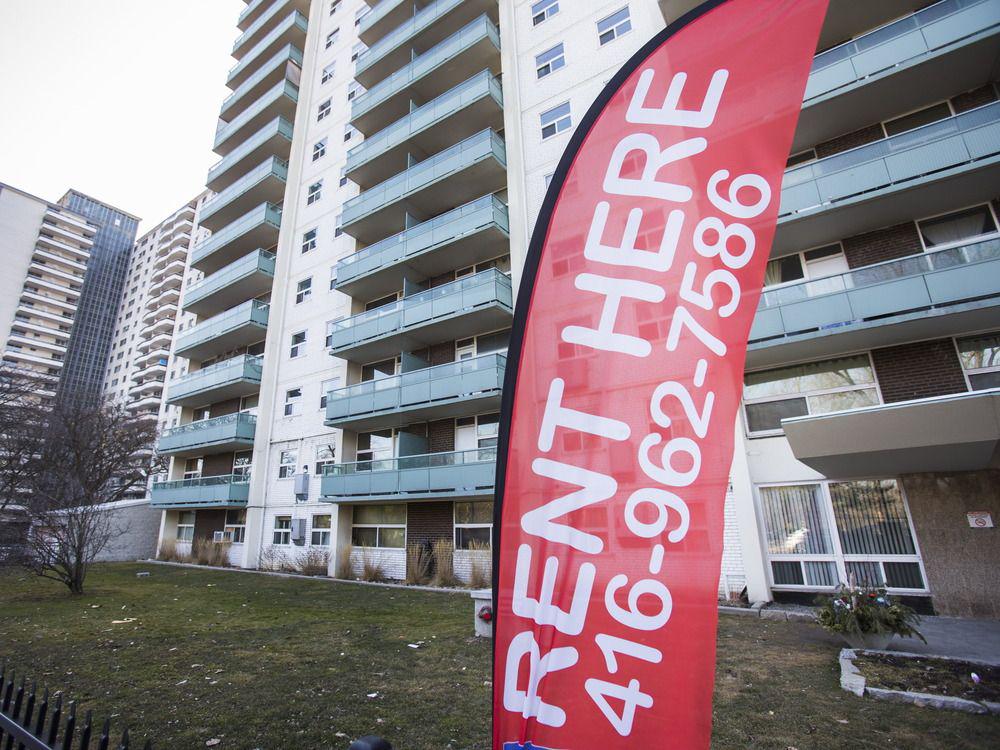
Is ‘lifelong renting’ becoming the new normal? Data on the typical Canadian renter suggests we’re heading that way
Posted by IHateTrains123
Is ‘lifelong renting’ becoming the new normal? Data on the typical Canadian renter suggests we’re heading that way
Posted by IHateTrains123
1 Comment
*Renting in Canada may no longer be a short-term, transitory phase before homeownership. The median renter in this country is now over 30 and many have children, according to a recent report, suggesting many Canadians are renting later into their lives. Here, the Financial Post breaks down what the typical Canadian renter looks like and why lifelong renting could become a bigger phenomenon in a costly housing market.*
>The median renter is now 32 years old and 11.7 per cent of renter households have children, according to a November report from rental services company SingleKey Inc.
>”You typically think that renters are in their 20s, people just getting started with life and early in their career,” said Viler Lika, co-founder and chief executive officer of SingleKey. “But that’s changing, especially in the cities where it costs them.”
>In fact, in some higher-cost cities such as Toronto and Vancouver, the median renter is closer to 34 years old, Lika said. He said it is possible that is the result a “double whammy,” with Canadians renting further into adulthood and younger people living longer with their parents in their 20s to save money.
>Aled ab Iorwerth, deputy chief economist at Canada Mortgage and Housing Corporation (CMHC), said there is also a proportion of older Canadians downsizing from their single-detached homes to apartments to free up cash in retirement, which could be contributing to a higher median renter age.
>Renters are less likely to move compared with three decades ago, with more tenants living at the same address for five years or more, according to an October report from Statistics Canada. The agency said the share of renters who lived at a different address a year earlier fell from 29.5 per cent in 1996 to 19.9 per cent in 2021.
>While ab Iorwerth said the concept of lifelong renting has been an ongoing trend in Montreal, which is known for its large rental market, it is now becoming increasingly common in other parts of the country as well.
>”In Toronto and Vancouver, housing costs have gone so high that you either have to go a very long way (outside of the city) to get a home that’s affordable, or you rent,” he said.
>”I think it’s very likely that there will be an increase in the proportion of lifelong renters.”
# How much money do renters make?
> The average renter household earns between $109,000 and $125,000 a year — a range that’s more than 50 per cent higher than the average personal income in Canada of $68,000 to $78,000. That difference suggests renters are often part of dual-income households, such as couples or roommates, according to the SingleKey report.
!ping Can