
South Korea’s total fertility rate in February rose to 0.93, a significant increase from last year.
The growth rate in the number of births for February ranked first on record—twice as high as levels seen in the 1990s.
Reporter Lee Jun-hee has the story.
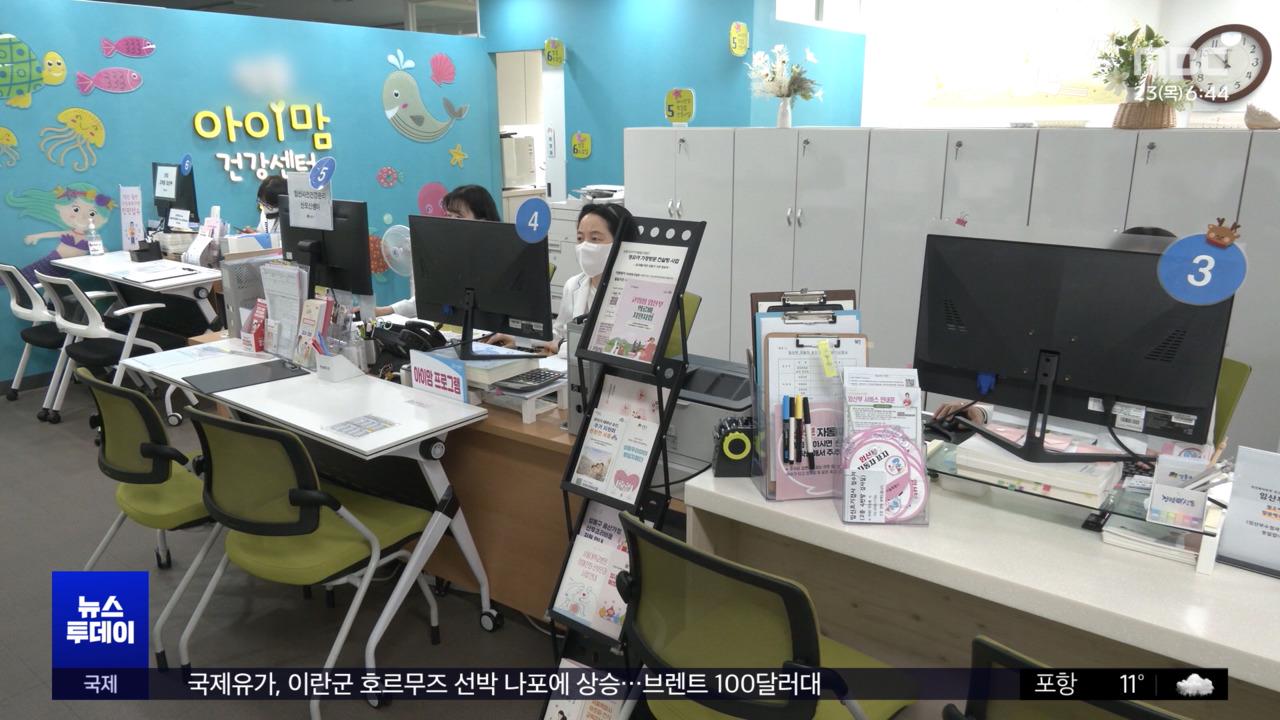
This is a public health center in Seoul.
Last year, about 70 to 80 people applied each month to rent breast pumps. Last month, that number jumped to 130.
Even the 120 units prepared were not enough, so portable breast pumps were urgently brought in starting last week.
[Kim Min-jung / Seoul District Public Health Center]
“If you apply now, you’ll probably have to wait about four weeks.”
In February this year, the total fertility rate rose from 0.83 to 0.93, an increase of 12%.
In particular, the number of births in February reached about 22,000.
This marks a 13.6% increase compared to a year earlier—the highest February growth rate on record.
The previous record was set 36 years ago in 1990, and this year’s increase is about twice that level.
Some analysts say pro-natal policies are beginning to show results.
Support for families—such as cash payments, vouchers, and electricity bill discounts—has been expanded.
[Lee Hye-jung / Mother]
“Almost everyone around me is having a baby. It feels like the atmosphere has really shifted toward having more children.”
The increase in paternity leave among men has also made it easier for families to decide to have a second or third child.
[Kim Won-gi / Father of three, on parental leave]
“Policies that help offset economic losses definitely have an impact on birth rates.”
Demographic factors—such as children of the second baby boom generation reaching marriage age—also play a role.
However, experts say that the increase in birth intentions itself is a more significant factor.
[Choi Seul-gi / Professor, KDI School of Public Policy and Management]
“Rather than simply having more people in the population, I think the bigger factor is that the intention to have children has actually increased.”
Still, even if the total fertility rate exceeds 0.9 this year, it remains far below the OECD average of 1.4.
The male parental leave rate, currently at just 16.1%, needs to rise, and childcare support must be further expanded.
Posted by Freewhale98
2 Comments
1. Summary
With changing cultural attitude and increased government support family, marriages & births in Korea are seeing record growths.
2. How is this related to the sub
(1) Demographic crisis solution: Increased family benefits, less working hours and increased paternal leave are contributing the surge of births & marriages. If public housing supply plan of Lee Jae-Myung work out properly, I predict further increase as these housing gives property to young married couple with more children.
Good, more people to resell Korean pokemon cards to