When you think about It, I think China strategy is just to out produce us. A lesson Learned from the Iran war was, if you have enough missile you can over well any defense system. This was also the lesson of WW2, while the German did have better technology in some areas, it didn’t have the manufacturing capability. For national security reasons, we need to bring back our manufacturing.
ILikeLiftingMachines on
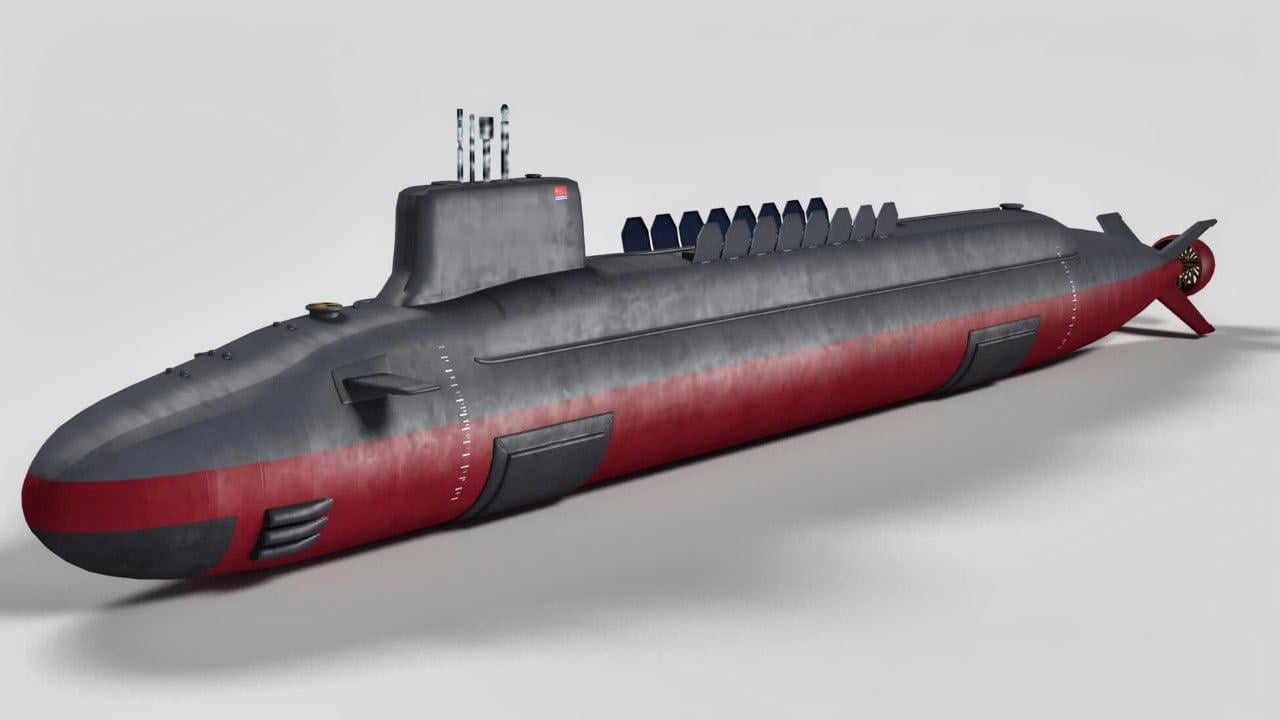
Stealth submarines… as opposed to the parade float submarines?
Blarghnog on
Underwater nuclear powered autonomous drones are the answer, not simply matching manned attack submarines.
Nobody typically “wins an arms race,” except by redefining the conflict for asymmetrical advantage. China has a production advantages and taking it away from them can’t afford to be strategically rooted in merely outproducing them.
Underwater warfare needs to learn the lessons of Ukraine, and Ukraine is suggesting they agree with me:
Swarms of cheap, autonomous, connected sea drones both on the surface and under are an effective strategy that barely ever gets mentioned, but it’s clearly going to be a significant platform.
I’d imagine we need both more ships and advanced drone-based naval weapons with space connected components. I’m not saying it’s not important, I’m just saying we need to be having a larger and more innovative conversation about future weapons platforms *as well*.
Tertiary thought. Remember that starlink is a laser connected (read *fast*) system that serves as a *fabric* and likely hides advanced AI capabilities, real time control and monitoring, advanced encryption for communications, and a plethora of other capabilities that are deeply relevant here. Heck, that’s why we started space force.
Those capabilities are the foundation of future warfare, and so obviously capabilities are being developed around this threat as well.
Obviously they would be as classified as it gets, so I don’t expect it to be public knowledge. Heck, I don’t want to to be public knowledge because China would just steal it. But we should remember that no strategic think tank in 2026 is looking at capabilities entirely through the lens of production numbers, but more through the lens of battlefield management systems and autonomous capabilities, even if current generation systems are merely augmentive.
So when you read an article about 1-1 comparison, take it worth a grain of salt. It’s a lobby to build more ships, which I think we should do, but it’s not the entire picture. These ships are the backbone of real power though, and China’s continued investment is important to note and monitor.
Hope this isn’t too long for Reddit. I kind of make exceptions to write longer pieces for the conservative forums because people seem to be able to, you know, *actually* read. Love to hear other people’s thoughts.

3 Comments
When you think about It, I think China strategy is just to out produce us. A lesson Learned from the Iran war was, if you have enough missile you can over well any defense system. This was also the lesson of WW2, while the German did have better technology in some areas, it didn’t have the manufacturing capability. For national security reasons, we need to bring back our manufacturing.
Stealth submarines… as opposed to the parade float submarines?
Underwater nuclear powered autonomous drones are the answer, not simply matching manned attack submarines.
Nobody typically “wins an arms race,” except by redefining the conflict for asymmetrical advantage. China has a production advantages and taking it away from them can’t afford to be strategically rooted in merely outproducing them.
Underwater warfare needs to learn the lessons of Ukraine, and Ukraine is suggesting they agree with me:
https://www.nytimes.com/2025/12/15/world/europe/ukraine-russia-submarine-drones.html
Swarms of cheap, autonomous, connected sea drones both on the surface and under are an effective strategy that barely ever gets mentioned, but it’s clearly going to be a significant platform.
I’d imagine we need both more ships and advanced drone-based naval weapons with space connected components. I’m not saying it’s not important, I’m just saying we need to be having a larger and more innovative conversation about future weapons platforms *as well*.
Tertiary thought. Remember that starlink is a laser connected (read *fast*) system that serves as a *fabric* and likely hides advanced AI capabilities, real time control and monitoring, advanced encryption for communications, and a plethora of other capabilities that are deeply relevant here. Heck, that’s why we started space force.
Those capabilities are the foundation of future warfare, and so obviously capabilities are being developed around this threat as well.
Obviously they would be as classified as it gets, so I don’t expect it to be public knowledge. Heck, I don’t want to to be public knowledge because China would just steal it. But we should remember that no strategic think tank in 2026 is looking at capabilities entirely through the lens of production numbers, but more through the lens of battlefield management systems and autonomous capabilities, even if current generation systems are merely augmentive.
So when you read an article about 1-1 comparison, take it worth a grain of salt. It’s a lobby to build more ships, which I think we should do, but it’s not the entire picture. These ships are the backbone of real power though, and China’s continued investment is important to note and monitor.
Hope this isn’t too long for Reddit. I kind of make exceptions to write longer pieces for the conservative forums because people seem to be able to, you know, *actually* read. Love to hear other people’s thoughts.
Have a great day.