
The price tag for High Speed 2 has jumped by about £20bn and its completion has been delayed until the 2040s after an extensive review by the chief executive of the project, the British government has admitted.
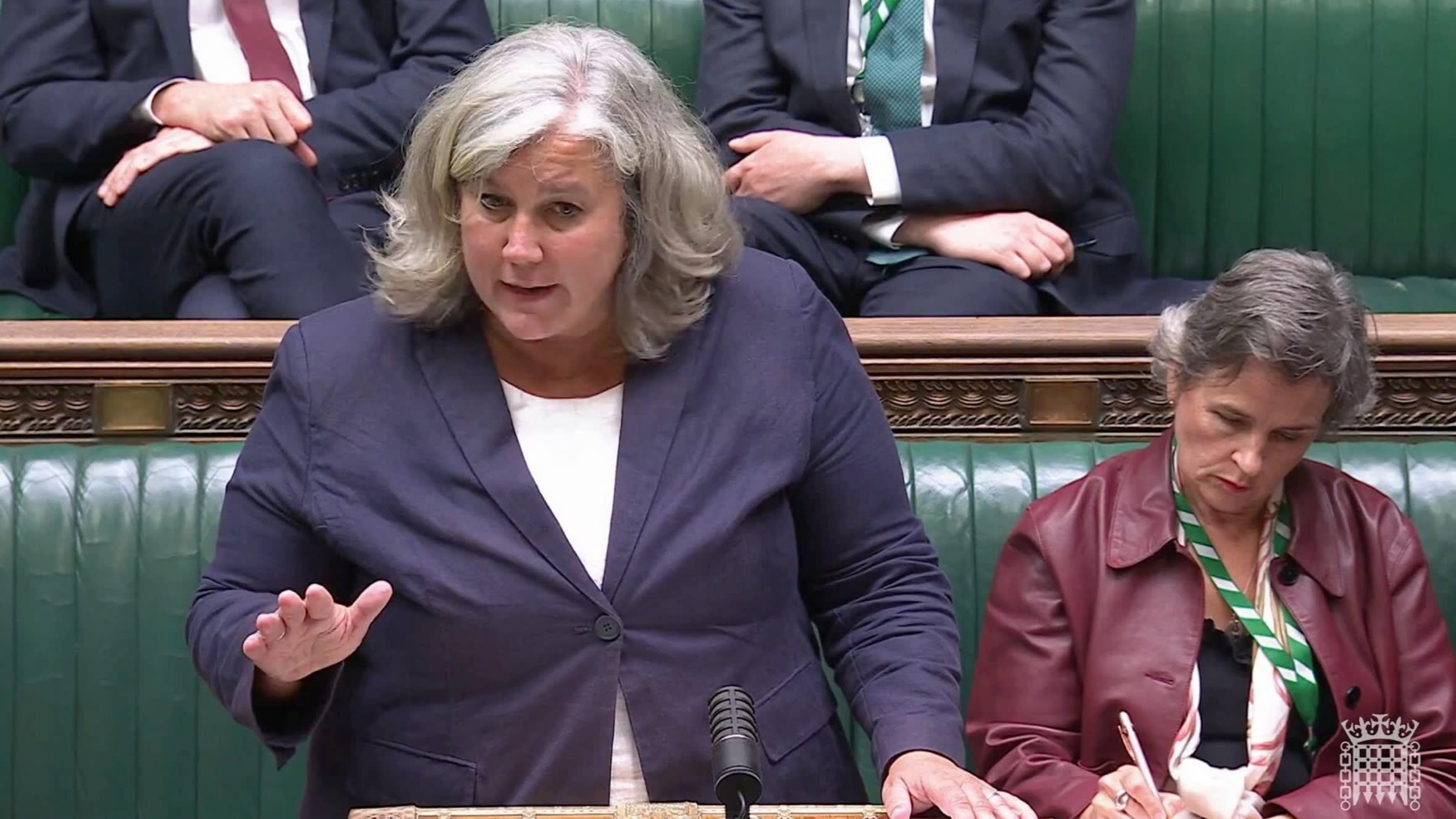
Heidi Alexander, transport secretary, told MPs on Tuesday that the new rail line from London to Birmingham would now cost up to £102.7bn compared with a previous estimate of about £80bn and that trains will run at slower speeds.
Alexander blamed the rising costs of the project on the past Conservative government, saying her predecessors had failed to negotiate value-for-money deals or keep a lid on soaring costs.
“HS2 became a symbol of this country’s decline . . . that is the shocking legacy of the last government,” she said. “If this seems like an obscene increase in time and costs, it is because it is. If I seem like I’m angry, it is because I am. I am angry on behalf of taxpayers and communities.”
She gave a revised range of cost estimates for the completed project from £87.7bn to £102.7bn in 2025 prices.
The FT first revealed almost two years ago that the upper estimate for the project’s cost would be £80bn in 2024 prices, equivalent to £83bn in 2025 prices.
When it was first drawn up in 2010, ministers expected the London-Birmingham line to be completed by 2026. More recently the timeline slipped to 2033. But now the first trains running between Birmingham and Old Oak Common in west London are not expected until between 2036 and 2039. HS2 said the first piece of track would not be laid until 2029.
The link between Old Oak Common to Euston in north London — and the connection to the West Coast Main Line from Birmingham — would now not be in place until as late as 2043, the government admitted.
The revised figures follow a 15-month review conducted by HS2 Ltd’s chief executive Mark Wild.
A map showing the current plan for HS2
Although the new cost estimate includes the redevelopment of Euston station, there is still uncertainty over the final price as there is no agreed plan for the design or construction of the London terminus.
The project was supposed to connect London to Leeds and Manchester in a Y-shaped route, but the previous government slashed it to barely half of its original length to save money as costs escalated. It remains the most expensive railway per mile of track in the world.
The government confirmed that HS2 would run at 320km/h, down from the planned 360km/h, and said this would be cheaper as there is no existing track to test trains at the higher speeds in Britain.
Alexander said this measure had knocked off “up to £2.5bn” from the estimated bill and would still be 30 minutes quicker than the current times between Birmingham and London.
Ministers were so worried about criticism of the rising cost of HS2 that they commissioned an internal review into whether it would be better value for money to abandon the scheme, despite having already sunk £40bn of taxpayer money into it.
Wild had concluded that scrapping the scheme and remediating all the land would cost a figure in the same ballpark as pushing ahead with the project. He said it would cost £33bn to £58bn to cancel the scheme against £47bn to £62bn to finish it off.
“When faced with such a difficult inheritance, I could have chosen to cancel the project and remediate the construction undertaken so far,” Alexander said. “The costs of doing so are considerable and could cost as much as completing HS2, and would result in no lasting benefit.”
Posted by Desperate_Wear_1866
4 Comments
most successful anglosphere rail project
The cost of HS2 has reached over £100 billion. The entire line from Birmingham Curzon Street to London Euston is not expected to be completed until the 2043, and the speed of the trains has also been cut from 360km/h to 320km/h.
Though if we’re being real, don’t pay too much heed to any of these numbers. By the next year or the one after that, it will be even more expensive and likely delayed even further.
> “HS2 became a symbol of this country’s decline . . . that is the shocking legacy of the last government,” she said. “If this seems like an obscene increase in time and costs, it is because it is. If I seem like I’m angry, it is because I am. I am angry on behalf of taxpayers and communities.”
This sentence structure was aggressively tested by at least four focus groups with different gestures, expressions, and pauses.
Oh how the mighty ruler of the waves has fallen.