Submission statement: this article shows the value and growth of freedom of speech in Syria, a core neoliberal value.
Ganesha811 on
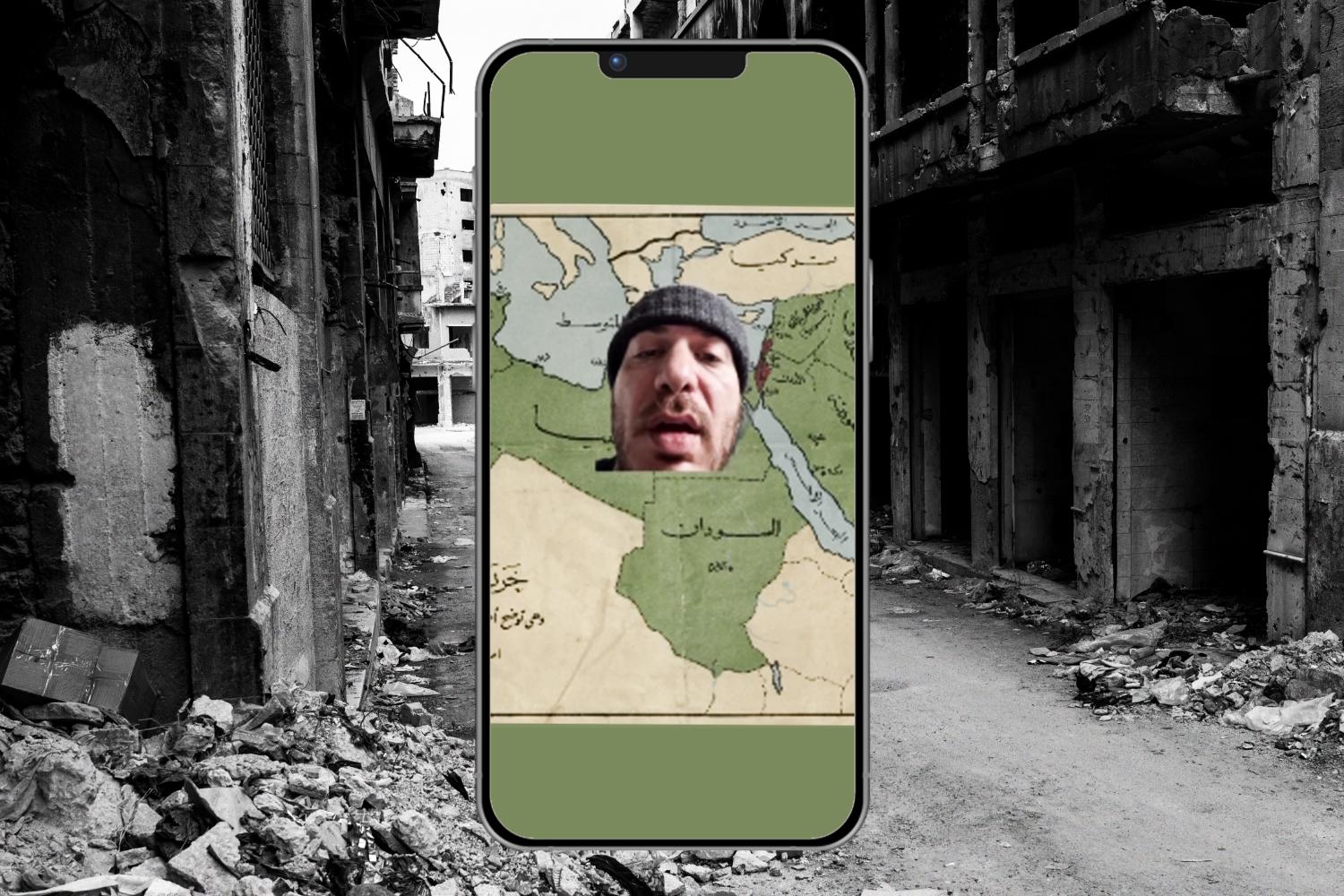
> Hassan Akkad’s floating, shaved head against absurd green-screen backgrounds has become an unlikely icon in the last few months on Syrian social media…. Particularly egregious, in Akkad’s eyes, was the fact that many of these businesspeople were publicly pledging millions of dollars to help rebuild parts of the country and then were not delivering on their promises. This is how the “Give us the money that you owe!” campaign started…
>
> The “Loyalty to Idlib” event famously raised $208 million from Syrians locally and from the diaspora—Syrian billionaire Ghassan Aboud proudly offered $55 million. Yet, a couple of months later, when winter storms flooded the region’s internally displaced camps and left thousands to freeze in their muddy tents, these funds were nowhere to be found.In post after post, Akkad exposed the pledges, asking businesspeople, tribes, and organizations to pay up. He threatened them with jokes and funny reels, all set to music ranging from traditional Syrian numbers to the theme song of the HBO television show Succession. Since starting in April, Akkad’s new series has targeted a few dozen people…
>
> Two weeks in, Hind Kabawat, Syria’s minister of social affairs and labor who had pledged $500, was the first person to respond and pay. In a conversation with Foreign Policy, Akkad called this a turning point. “People were like, shit, if ministers are responding to him, then why aren’t civilians responding?” he said. His posts started going viral…
>
> Akkad’s campaign could not have existed before the fall of the Assad regime. Calling out public officials, ministers, powerful civilians, and even the president for their unpaid pledges? A person would have lost their life for far less. More importantly, thousands of people commenting, sharing, and making their own content around the campaign would not have dared to before. It turns out that when people are no longer afraid of being killed for speaking, they have a lot to say. Whatever other criticism the Sharaa government deserves, this change should be celebrated…
> “This campaign is one of the answers to the Syrian question: What has changed?” Akkad said. He’s aware that what he’s doing cannot be done in most Arab countries. He also doesn’t want to sugarcoat the new reality, citing the corruption, cronyism, and nepotism that still exists in the government and society. But he insisted that there are many in the government who want to fix things…

2 Comments
Submission statement: this article shows the value and growth of freedom of speech in Syria, a core neoliberal value.
> Hassan Akkad’s floating, shaved head against absurd green-screen backgrounds has become an unlikely icon in the last few months on Syrian social media…. Particularly egregious, in Akkad’s eyes, was the fact that many of these businesspeople were publicly pledging millions of dollars to help rebuild parts of the country and then were not delivering on their promises. This is how the “Give us the money that you owe!” campaign started…
>
> The “Loyalty to Idlib” event famously raised $208 million from Syrians locally and from the diaspora—Syrian billionaire Ghassan Aboud proudly offered $55 million. Yet, a couple of months later, when winter storms flooded the region’s internally displaced camps and left thousands to freeze in their muddy tents, these funds were nowhere to be found.In post after post, Akkad exposed the pledges, asking businesspeople, tribes, and organizations to pay up. He threatened them with jokes and funny reels, all set to music ranging from traditional Syrian numbers to the theme song of the HBO television show Succession. Since starting in April, Akkad’s new series has targeted a few dozen people…
>
> Two weeks in, Hind Kabawat, Syria’s minister of social affairs and labor who had pledged $500, was the first person to respond and pay. In a conversation with Foreign Policy, Akkad called this a turning point. “People were like, shit, if ministers are responding to him, then why aren’t civilians responding?” he said. His posts started going viral…
>
> Akkad’s campaign could not have existed before the fall of the Assad regime. Calling out public officials, ministers, powerful civilians, and even the president for their unpaid pledges? A person would have lost their life for far less. More importantly, thousands of people commenting, sharing, and making their own content around the campaign would not have dared to before. It turns out that when people are no longer afraid of being killed for speaking, they have a lot to say. Whatever other criticism the Sharaa government deserves, this change should be celebrated…
> “This campaign is one of the answers to the Syrian question: What has changed?” Akkad said. He’s aware that what he’s doing cannot be done in most Arab countries. He also doesn’t want to sugarcoat the new reality, citing the corruption, cronyism, and nepotism that still exists in the government and society. But he insisted that there are many in the government who want to fix things…
Freedom of speech can do wonders for a society.