
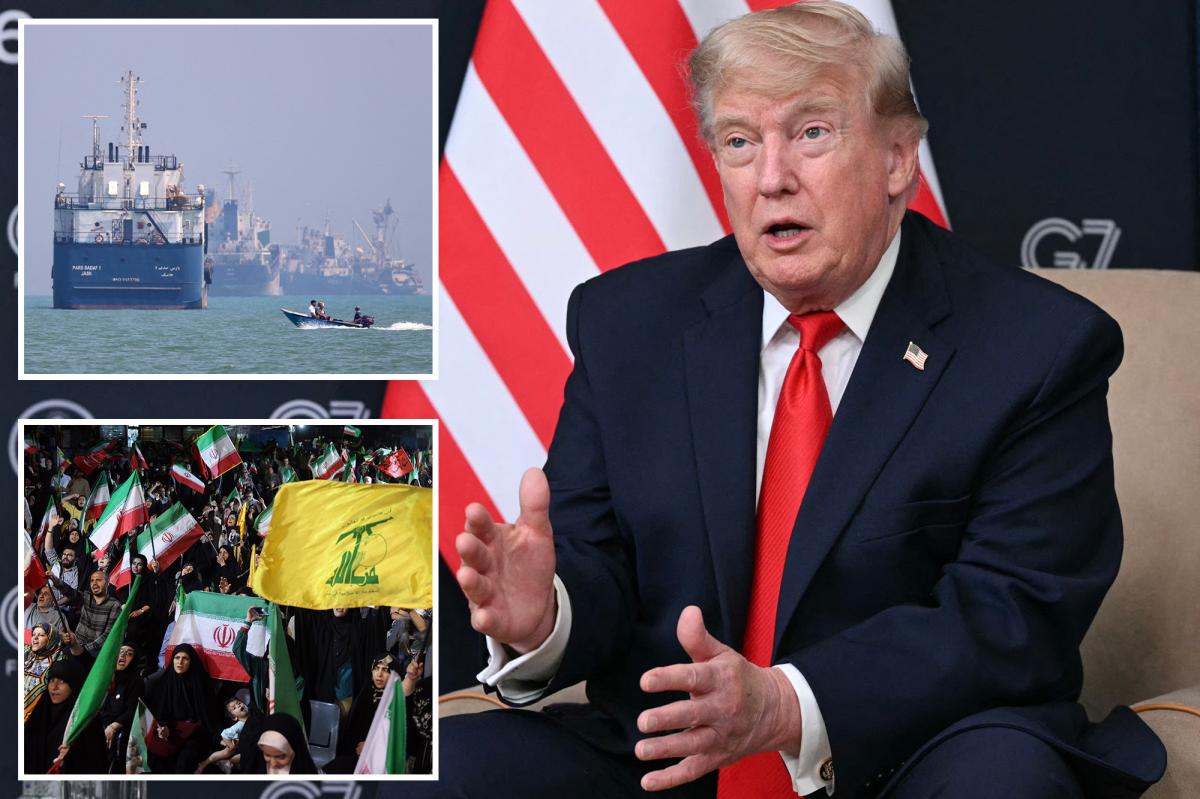
Details of US-Iran deal revealed in 12-point plan — timeline for US withdrawal, $300B fund, Hormuz passage
Posted by WillyNilly1997
Details of US-Iran deal revealed in 12-point plan — timeline for US withdrawal, $300B fund, Hormuz passage
Posted by WillyNilly1997
1 Comment
From the article. The 12-point agreement (that was leaked, the article doesn’t state this is the actual official agreement):
* Iran, the US and their allies would stop fighting across the region — including in Lebanon.
* Tehran would reaffirm its pledge never to build a nuclear weapon.
* The US and Iran would work out what happens to Tehran’s enriched uranium stockpile.
* Both sides would open talks on Iran’s future enrichment activities and nuclear needs.
* Iran would maintain the “status quo” of its nuclear program — which has been largely decimated — while negotiations continue.
* The US would lift its naval blockade, hold off on new sanctions and refrain from sending more troops to the region.
* Iran would guarantee safe, toll-free passage for commercial ships through the Strait of Hormuz for 60 days.
* Washington would release an unspecified amount of frozen Iranian assets once the MOU takes effect.
* A final deal reached after the 60 days would see the US withdraw its forces within 30 days and lift all sanctions on Iran.
* It would pave the way for a $300 billion reconstruction fund for Iran.
* The US would allow Iran to resume oil sales through temporary sanctions waivers.
* Iran, Oman and Gulf states would negotiate new shipping and maritime security arrangements for the Gulf.
>Once a final deal is inked, the United States would withdraw its forces from the region within 30 days and lift all sanctions imposed on Iran.
While the reported memorandum lays out a roadmap toward a broader settlement, many of its provisions — particularly those related to uranium enrichment, sanctions relief, American troop withdrawals and the reconstruction fund — would likely face intense scrutiny from lawmakers, regional allies and nonproliferation experts.
Neither Washington nor Tehran had publicly released the text of the memorandum as of Tuesday.
The White House did not respond to questions about the reported text’s accuracy.