>For most of the past year and a half, Mohsen Abu Zainab felt deflated. An ardent supporter of Hizbollah, the carpenter said he felt humiliated by the Lebanese militant group’s restraint in the face of daily attacks by Israel. But when war resumed on March 2, “there was an opportunity to course-correct . . . to remind Israel that we will not stand for their aggression”, he said
>The 47-year-old has lost his home, his ancestral village and several relatives to Israeli bombardment, but he says: “I feel Hizbollah is back on top.” His renewed faith reflects the mood among Hizbollah’s ranks and its supporters following an interim deal between Washington and Tehran. Iran imposed a ceasefire in Lebanon as a precondition for the deal, despite objections from Washington, Beirut and Israel’s government. It was a striking show of support from Hizbollah’s patrons in Tehran.
>(…)
>The Lebanese government, heavily supported by the international community, wants Hizbollah to be disarmed and has been pursuing a parallel track in direct negotiations with Israel, overseen by Washington. Hizbollah has opposed the negotiations, to which it is not party, likening agreements brokered between the two governments to “treason”.
>Before the US and Iran reached their interim deal, Beirut had agreed to a ceasefire that called Hizbollah “an enemy” of Lebanon and did not make clear what concessions Israel would make. Instead, Beirut agreed to bar Hizbollah from “pilot zones” in the south and to keep seeking the group’s disarmament. But the US-Iran deal calls for a full ceasefire, undermining Beirut’s nascent efforts.
>Hizbollah has also been emboldened by US President Donald Trump’s direct outreach. Earlier this month, Trump said he spoke to Hizbollah through intermediaries — something that no US president has ever done before, given it is a proscribed terrorist organisation. “They see this as a big win,” said one of the people familiar with the group’s thinking.
>(..)
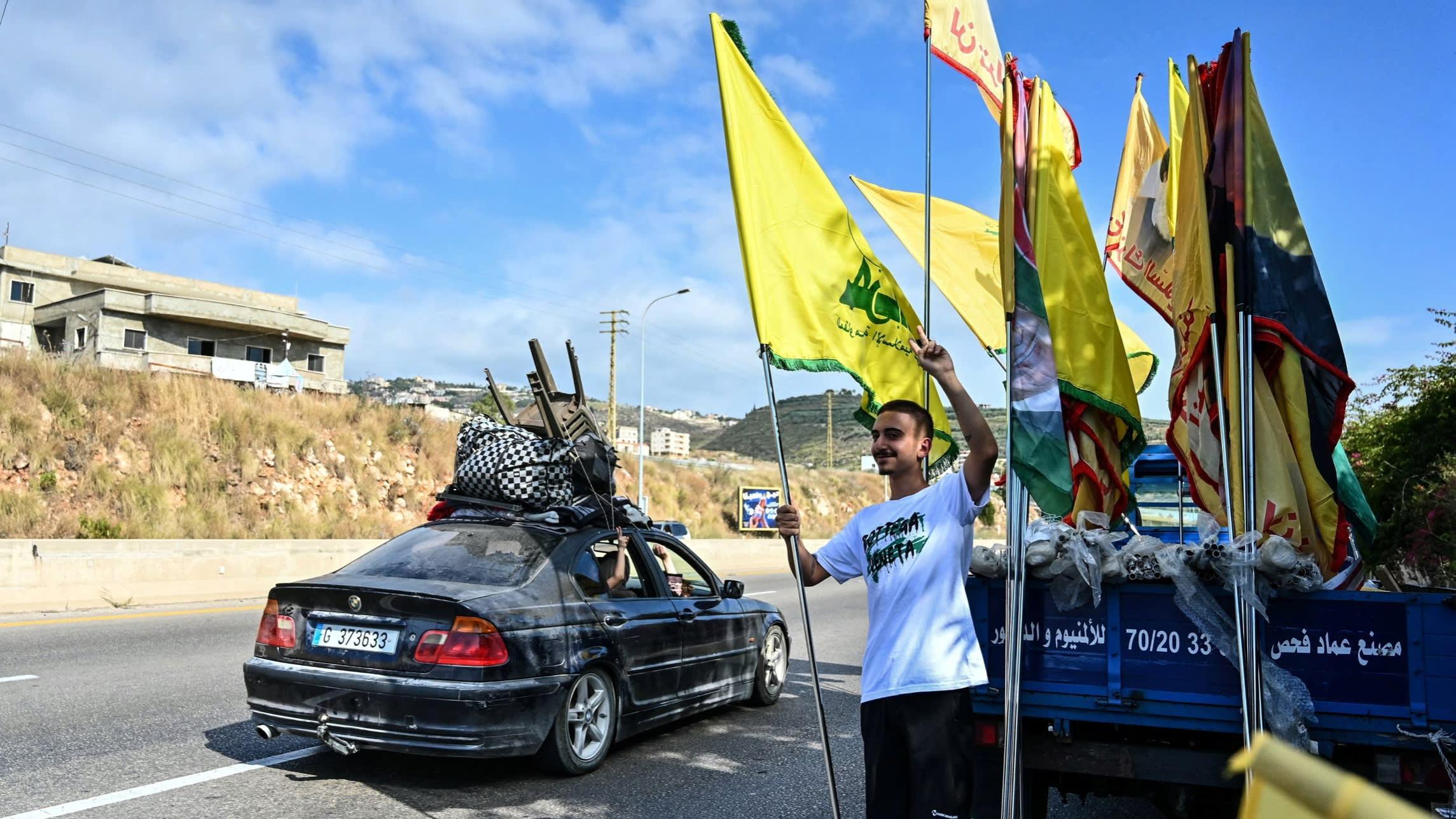
>Hizbollah’s base has borne the brunt of Israel’s actions in southern Lebanon. Nearly 4,000 people have been killed, around 1mn displaced and dozens of villages razed, disproportionately affecting Lebanon’s Shia community. Many have been forced to flee to other parts of Lebanon, whose communities blame Hizbollah for starting an unwanted war. In many cases that frustration has been taken out on wider Shia communities. That has bolstered loyalty among Hizbollah’s suffering base. The militant group has historically played on sectarian fears to reinforce the perception that it is the community’s protector.

1 Comment
>For most of the past year and a half, Mohsen Abu Zainab felt deflated. An ardent supporter of Hizbollah, the carpenter said he felt humiliated by the Lebanese militant group’s restraint in the face of daily attacks by Israel. But when war resumed on March 2, “there was an opportunity to course-correct . . . to remind Israel that we will not stand for their aggression”, he said
>The 47-year-old has lost his home, his ancestral village and several relatives to Israeli bombardment, but he says: “I feel Hizbollah is back on top.” His renewed faith reflects the mood among Hizbollah’s ranks and its supporters following an interim deal between Washington and Tehran. Iran imposed a ceasefire in Lebanon as a precondition for the deal, despite objections from Washington, Beirut and Israel’s government. It was a striking show of support from Hizbollah’s patrons in Tehran.
>(…)
>The Lebanese government, heavily supported by the international community, wants Hizbollah to be disarmed and has been pursuing a parallel track in direct negotiations with Israel, overseen by Washington. Hizbollah has opposed the negotiations, to which it is not party, likening agreements brokered between the two governments to “treason”.
>Before the US and Iran reached their interim deal, Beirut had agreed to a ceasefire that called Hizbollah “an enemy” of Lebanon and did not make clear what concessions Israel would make. Instead, Beirut agreed to bar Hizbollah from “pilot zones” in the south and to keep seeking the group’s disarmament. But the US-Iran deal calls for a full ceasefire, undermining Beirut’s nascent efforts.
>Hizbollah has also been emboldened by US President Donald Trump’s direct outreach. Earlier this month, Trump said he spoke to Hizbollah through intermediaries — something that no US president has ever done before, given it is a proscribed terrorist organisation. “They see this as a big win,” said one of the people familiar with the group’s thinking.
>(..)
>Hizbollah’s base has borne the brunt of Israel’s actions in southern Lebanon. Nearly 4,000 people have been killed, around 1mn displaced and dozens of villages razed, disproportionately affecting Lebanon’s Shia community. Many have been forced to flee to other parts of Lebanon, whose communities blame Hizbollah for starting an unwanted war. In many cases that frustration has been taken out on wider Shia communities. That has bolstered loyalty among Hizbollah’s suffering base. The militant group has historically played on sectarian fears to reinforce the perception that it is the community’s protector.
😂🔫