
U.S. State Department Warns Korea’s Online Anti-Disinformation Act Threatens Free Speech, Censorship Risks
Posted by Freewhale98
U.S. State Department Warns Korea’s Online Anti-Disinformation Act Threatens Free Speech, Censorship Risks
Posted by Freewhale98
2 Comments
Too bad too sad.
1. Summary
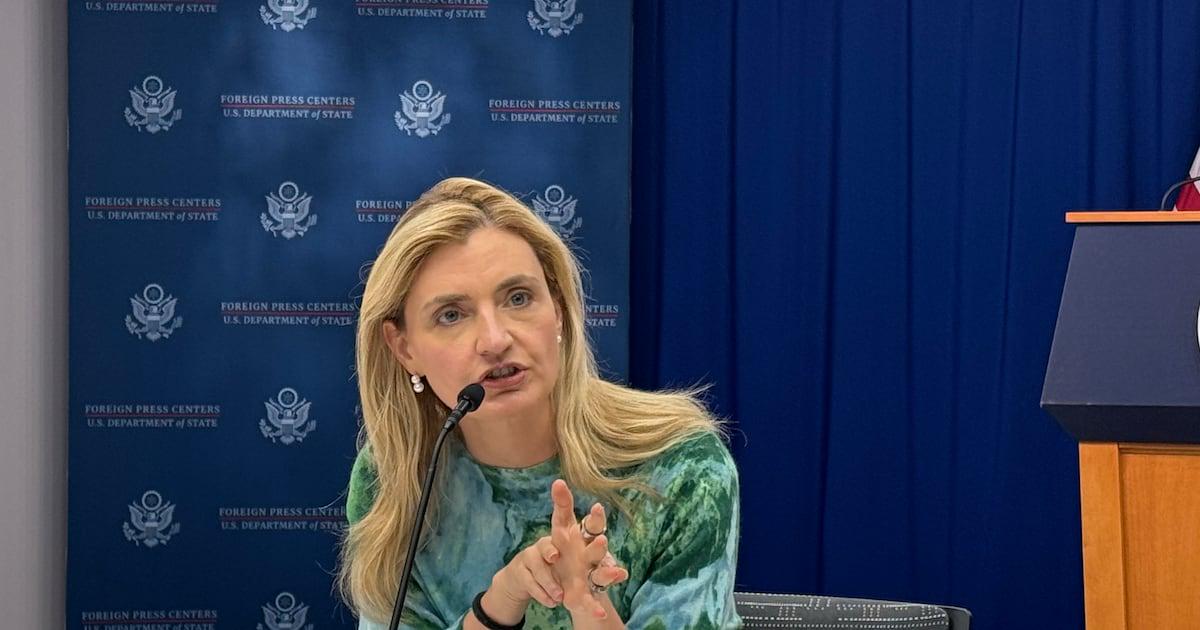
The U.S. Department of State expressed “significant concerns” on July 8 to the Chosun Ilbo regarding the revised Network Act (Information and Communications Network Act) enforced in South Korea on July 7, stating, “The amendment could lead to excessive content regulation and undermine freedom of expression.” It added, “South Korea should not impose undue burdens on U.S. companies and must not use the law’s implementation as a mechanism to demand censorship of free expression.” The law primarily holds large platform operators accountable for punitive liability over “false and manipulated information” and “discriminatory and hate speech” in cyberspace.
2. How is this related to the sub
(1) Free Speech debate: Korea’s Anti-Disinformation Act is facing backlash from the US. Americans are demanding “free speech rights” of their online platforms be protected and accuse Korea of overburdening their Big Tech companies.
3. My opinion
The tension between the US and Korea is growing over Big Tech regulations. From Coupang crisis to Online Anti-disinformation Act, Americans and Koreans have different view on the role of the government in regulating Big Tech.
This law is quite controvesial and popular. According to recent polling, majority of Koreans seem to support this law because of “wreckers” issue ( think as annoying and destructive online influencers who spread conspiracy theories while doing vandalism) with the support strongest among older generation. But, conservative politicans and Americans are enraged by this law. They accuse the government of “discrimination” against US companies and right-wing online influencers as this law will unfairly expose them to litigation from the individuals whom these influncers target.
Conservatives argue this will only worsen anti-Korean sentiment triggered by Coupang crisis.