Rapid privatizations and austerity plans can be unpopular, 😲
This is about development economics and liberalization.
Syria had a Soviet-inspired planned economy under Hafez al-Assad and we’re seeing a new wave of liberalization after the one carried by Bashar in the 2000s (which was mostly an opportunity to steal stuff). You can compare that to known examples of swift transitions from socialist / inspired models to economically sound ones.
I personally think the characters are biased because a man who worked as a civil servant under Assad is obviously not gonna like being replaced and having his advantages reduced, and an upper middle class professional is the most impacted by a fall because it makes imports more expensive
Worth_Temperature_42 on
Checkmate libs
WAGRAMWAGRAM on
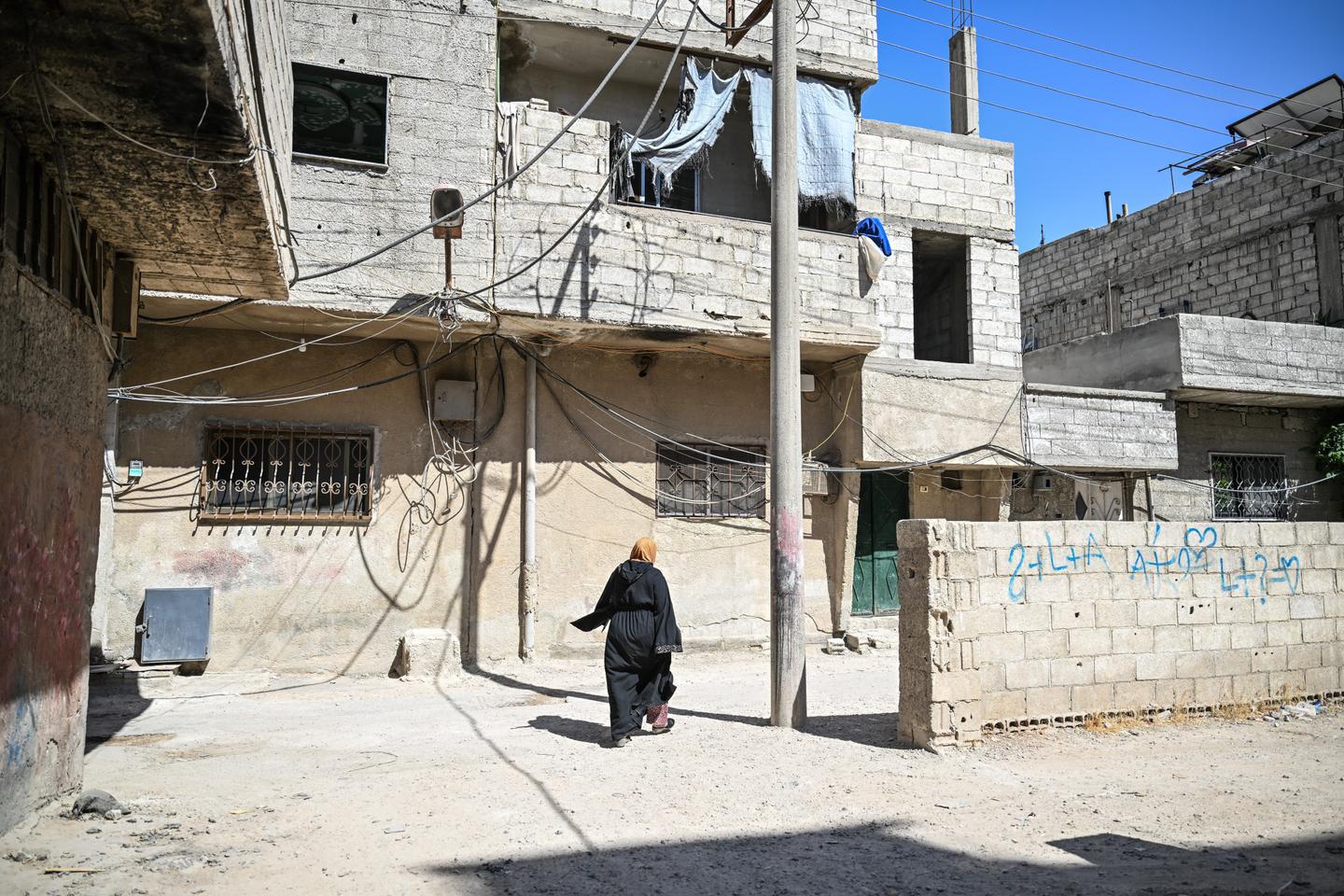
In Fatima’s apartment in southern Damascus, only the refrigerator is working. The room that serves as a living room, with a few mattresses laid out on the floor, is stifling in the Syrian summer heat. This 56-year-old stay-at-home mother makes sure to use as little electricity as possible. Since the rate hike in October 2025, she no longer dares to pick up her bills from the state-owned electric utility, knowing she won’t be able to pay them. “A two-month electricity bill is equal to my husband’s salary—13,500 Syrian pounds [SYP—about 135 euros]. Before the increase, we paid 300 LS (3 euros),” explains Fatima (name changed).
Her electricity could be cut off at any moment. And with the planned installation of new prepaid meters, it will soon no longer be possible to have electricity without paying in advance.
Fatima doesn’t know where she’ll find the money. Her monthly budget doesn’t exceed 200 euros, which comes from her husband’s salary as a civil servant and the money sent by their 26-year-old son, who works as a waiter in Iraq. Since they own their home, they don’t have to worry about rent. Nevertheless, they have to account for every expense: transportation for the father and their two daughters, who are college students; a gas cylinder; bread; medicine; and so on. Total: 11,650 SYP. They eat meat once a year and no longer buy clothes. Fatima has already accumulated 450,000 SYP in debt (4,500 euros)
**“I was hoping that after the fall of the regime, the situation would improve, but everything has become more expensive, and the new government has ended subsidies for energy and bread. It’s really unfair. It’s taking money from the poor instead of helping them,” says Fatima. She has taken part in three protests in Damascus against rising electricity prices. “During the last one, we were attacked by shabbiha [armed men]. They accused us of supporting the old regime,” she laments. The authorities have blamed these attacks on third parties.**
“I no longer expect anything positive from this government. It doesn’t listen to us. They ask us to be patient while they live comfortable lives. Some are paid several thousand dollars while others live on less than 90 euros a month. Three-quarters of Syrians are suffering,” the mother says. The new government favors hiring people who were part of its administration in the rebel enclave of Idlib during the civil war and, through “external contracts,” pays them more than civil servants from the Assad administration, according to a source who requested anonymity.
mostanonymousnick on
There’s obviously a difference of degree, but it seems similar to the situation Argentina has been in under Milei, shock therapy causes short term pain.
randomnameicantread on
Things get worse before they get better.
They also get worse before getting even more worse

5 Comments
Submission statement
Rapid privatizations and austerity plans can be unpopular, 😲
This is about development economics and liberalization.
Syria had a Soviet-inspired planned economy under Hafez al-Assad and we’re seeing a new wave of liberalization after the one carried by Bashar in the 2000s (which was mostly an opportunity to steal stuff). You can compare that to known examples of swift transitions from socialist / inspired models to economically sound ones.
I personally think the characters are biased because a man who worked as a civil servant under Assad is obviously not gonna like being replaced and having his advantages reduced, and an upper middle class professional is the most impacted by a fall because it makes imports more expensive
Checkmate libs
In Fatima’s apartment in southern Damascus, only the refrigerator is working. The room that serves as a living room, with a few mattresses laid out on the floor, is stifling in the Syrian summer heat. This 56-year-old stay-at-home mother makes sure to use as little electricity as possible. Since the rate hike in October 2025, she no longer dares to pick up her bills from the state-owned electric utility, knowing she won’t be able to pay them. “A two-month electricity bill is equal to my husband’s salary—13,500 Syrian pounds [SYP—about 135 euros]. Before the increase, we paid 300 LS (3 euros),” explains Fatima (name changed).
Her electricity could be cut off at any moment. And with the planned installation of new prepaid meters, it will soon no longer be possible to have electricity without paying in advance.
Fatima doesn’t know where she’ll find the money. Her monthly budget doesn’t exceed 200 euros, which comes from her husband’s salary as a civil servant and the money sent by their 26-year-old son, who works as a waiter in Iraq. Since they own their home, they don’t have to worry about rent. Nevertheless, they have to account for every expense: transportation for the father and their two daughters, who are college students; a gas cylinder; bread; medicine; and so on. Total: 11,650 SYP. They eat meat once a year and no longer buy clothes. Fatima has already accumulated 450,000 SYP in debt (4,500 euros)
**“I was hoping that after the fall of the regime, the situation would improve, but everything has become more expensive, and the new government has ended subsidies for energy and bread. It’s really unfair. It’s taking money from the poor instead of helping them,” says Fatima. She has taken part in three protests in Damascus against rising electricity prices. “During the last one, we were attacked by shabbiha [armed men]. They accused us of supporting the old regime,” she laments. The authorities have blamed these attacks on third parties.**
“I no longer expect anything positive from this government. It doesn’t listen to us. They ask us to be patient while they live comfortable lives. Some are paid several thousand dollars while others live on less than 90 euros a month. Three-quarters of Syrians are suffering,” the mother says. The new government favors hiring people who were part of its administration in the rebel enclave of Idlib during the civil war and, through “external contracts,” pays them more than civil servants from the Assad administration, according to a source who requested anonymity.
There’s obviously a difference of degree, but it seems similar to the situation Argentina has been in under Milei, shock therapy causes short term pain.
Things get worse before they get better.
They also get worse before getting even more worse