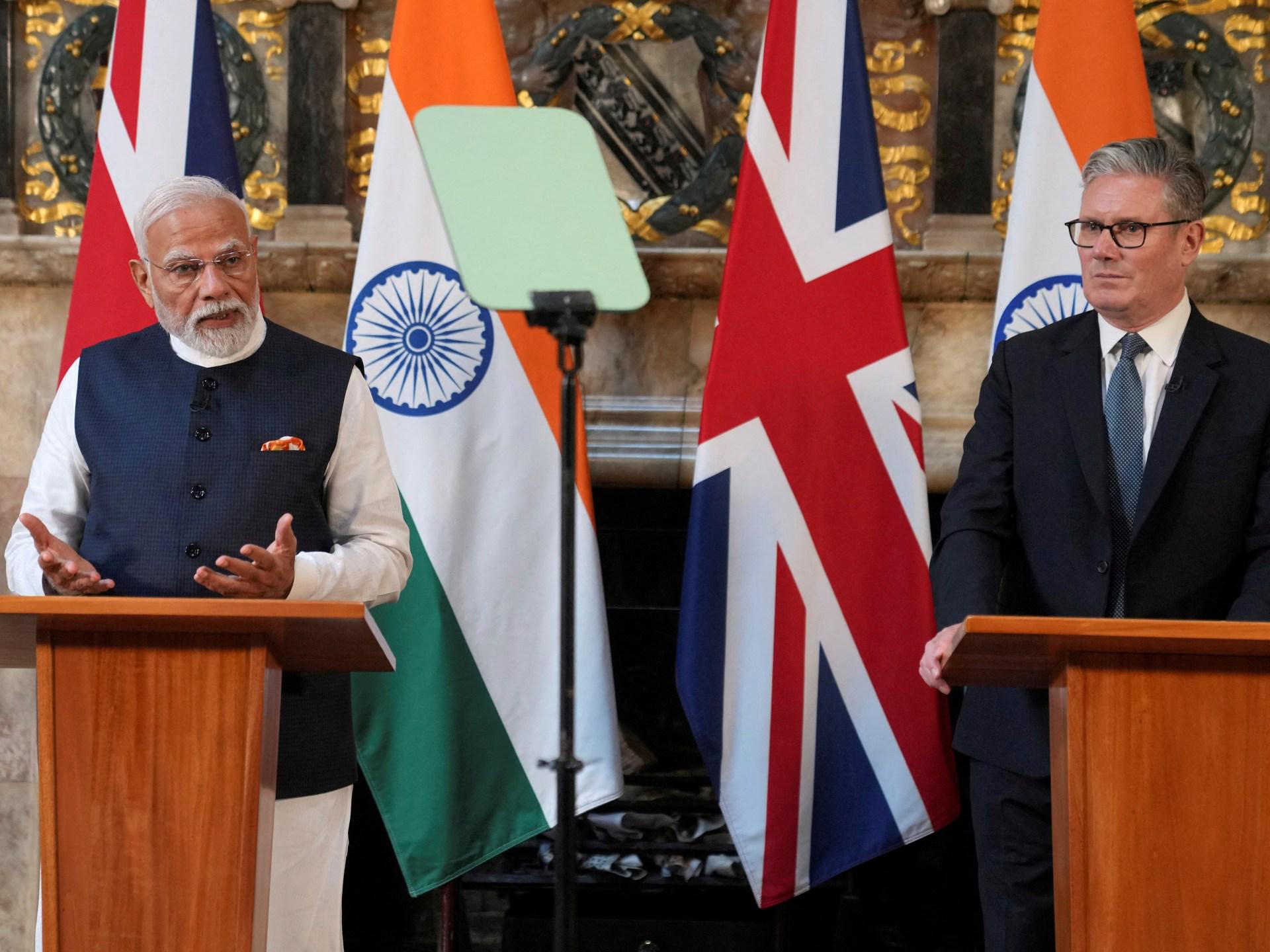
The India-United Kingdom Comprehensive Economic and Trade Agreement began to be negotiated in January 2022, under Boris Johnson’s Conservative government, and after 15 rounds of negotiations, was drafted on 8th May 2025, signed on 24th July 2025, and finally came into effect on 15th July 2026.
> How is this related to the sub
An FTA between India, one of the world’s largest and fastest-growing economies, and UK, a significantly smaller and slower-growing, but still much richer per capita and one of the more important economies, is a step towards increased and more frictionless trade flows around the world.
> My opinion
UK’s self-chosen openness and service-based economy means it’ll gain, but struggle to make significant inroads in India, which will continue to benefit from a lower base, enormous population and a large scale of domestic and ever-evolving protectionist tools alongside its own rapid domestic industrial and service upgrading, unlike the reverse. The combined structure of the trade deal and both existing and evolving in the future domestic legislation on both sides also reflects UK’s lower bargaining position in face of higher growth and alternatives elsewhere. Nevertheless, both sides will benefit, and many could argue this, whether on purpose or not, serves as a form of repair for the period where UK colonized India.

1 Comment
> Summary
The India-United Kingdom Comprehensive Economic and Trade Agreement began to be negotiated in January 2022, under Boris Johnson’s Conservative government, and after 15 rounds of negotiations, was drafted on 8th May 2025, signed on 24th July 2025, and finally came into effect on 15th July 2026.
> How is this related to the sub
An FTA between India, one of the world’s largest and fastest-growing economies, and UK, a significantly smaller and slower-growing, but still much richer per capita and one of the more important economies, is a step towards increased and more frictionless trade flows around the world.
> My opinion
UK’s self-chosen openness and service-based economy means it’ll gain, but struggle to make significant inroads in India, which will continue to benefit from a lower base, enormous population and a large scale of domestic and ever-evolving protectionist tools alongside its own rapid domestic industrial and service upgrading, unlike the reverse. The combined structure of the trade deal and both existing and evolving in the future domestic legislation on both sides also reflects UK’s lower bargaining position in face of higher growth and alternatives elsewhere. Nevertheless, both sides will benefit, and many could argue this, whether on purpose or not, serves as a form of repair for the period where UK colonized India.