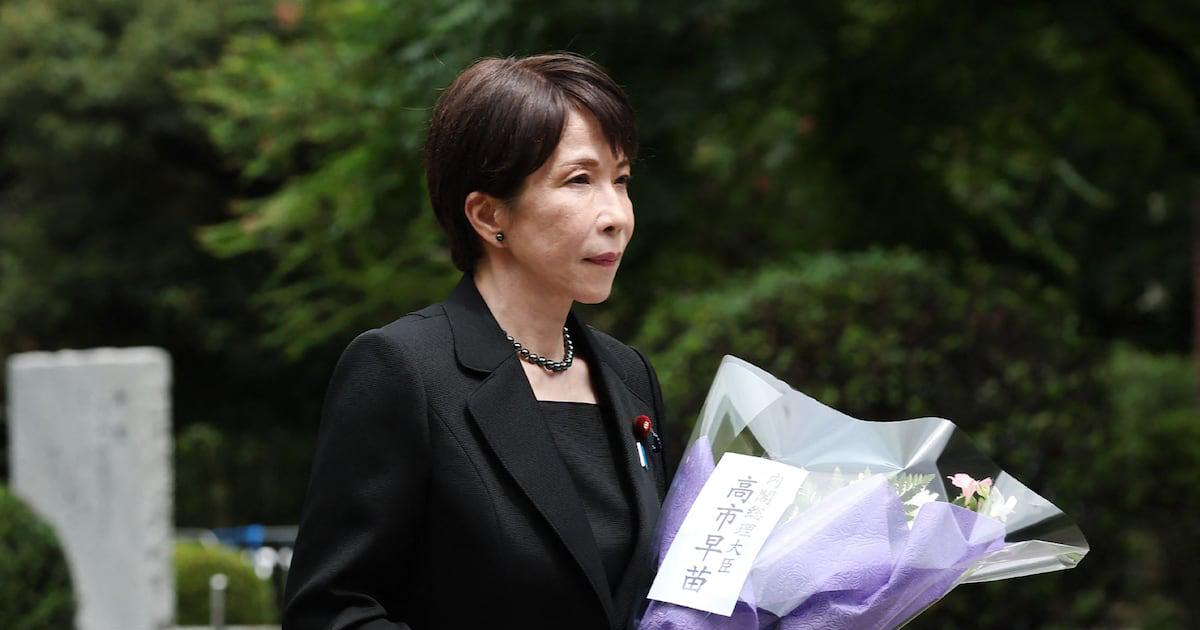
On South Korea’s National Liberation Day, which coincides with Japan’s “End of War Day” on the 15th, Japanese Prime Minister Sanae Takaichi did not visit Yasukuni Shrine, a site she had traditionally honored every August 15. Instead, she offered personal funds for ritual offerings, dispatched key Liberal Democratic Party (LDP) executives, and performed a “remote bow (yōbai)” toward the shrine from a distance. Despite her longstanding commitment to visiting Yasukuni, she avoided the shrine on her first August 15 as prime minister, likely to avoid straining relations with neighboring countries. However, she demonstrated her “convictions” to her supporters through alternative gestures. Yasukuni Shrine enshrines 14 Class-A war criminals from World War II.
2. How is this related to the sub
(1) Japanese militarism : Takaichi performs “remote bow” to a controversial shrine in the presentation of her commitment to Japanese nationalism.

2 Comments
1. Summary
On South Korea’s National Liberation Day, which coincides with Japan’s “End of War Day” on the 15th, Japanese Prime Minister Sanae Takaichi did not visit Yasukuni Shrine, a site she had traditionally honored every August 15. Instead, she offered personal funds for ritual offerings, dispatched key Liberal Democratic Party (LDP) executives, and performed a “remote bow (yōbai)” toward the shrine from a distance. Despite her longstanding commitment to visiting Yasukuni, she avoided the shrine on her first August 15 as prime minister, likely to avoid straining relations with neighboring countries. However, she demonstrated her “convictions” to her supporters through alternative gestures. Yasukuni Shrine enshrines 14 Class-A war criminals from World War II.
2. How is this related to the sub
(1) Japanese militarism : Takaichi performs “remote bow” to a controversial shrine in the presentation of her commitment to Japanese nationalism.
Bluetooth revanchism?