
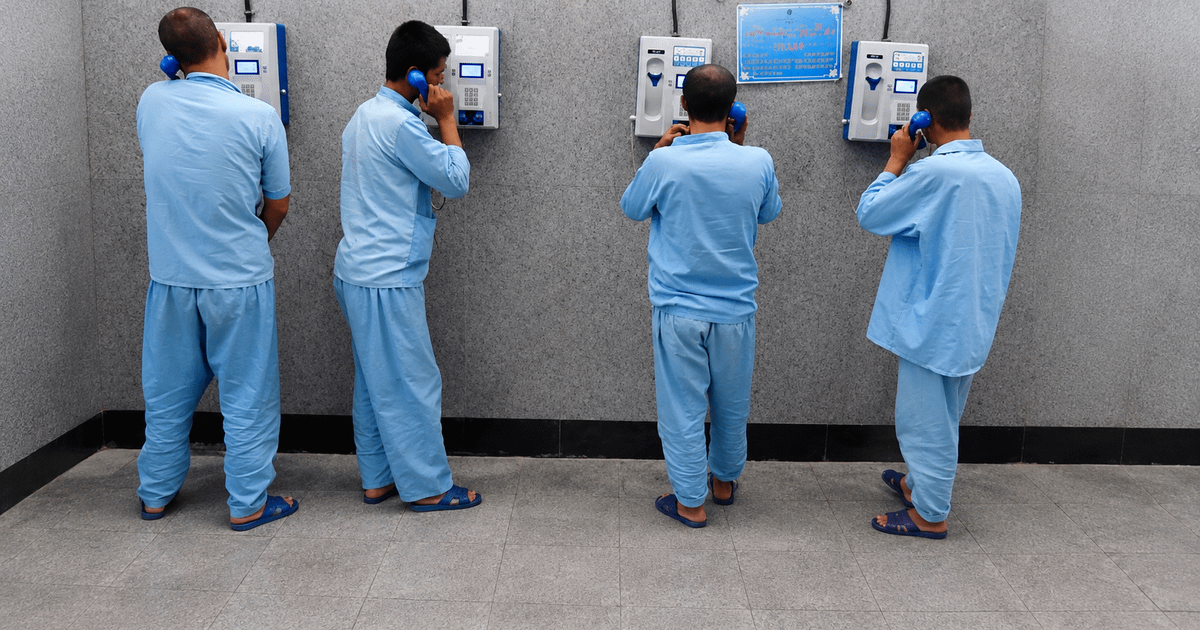
A letter expressing solidarity with Iran’s political prisoners has ignited an extraordinary ideological backlash, raising concerns among human rights advocates about how political narratives and disinformation can shape perceptions of repression in Iran.
Posted by WillyNilly1997
1 Comment
>For parts of the anti-imperialist left, he said, the revolution came to symbolize a historic defeat for US power. The Islamic Republic later cast itself as a leading opponent of the United States and Israel, creating a political framework in which criticism of Tehran can be seen as weakening that broader struggle.
>
>Solomon said he was struck by the “callousness” of some responses, which he interpreted as effectively asking political prisoners to accept their suffering for the sake of a broader geopolitical cause.
>
>He also pointed to a political purity test in which criticism of the Islamic Republic can quickly generate accusations that critics are serving Western or Israeli interests. Solomon compared the dynamic with other ideological movements that became increasingly intolerant of internal criticism.