Submission statement: Donald Trump’s disastrous war against Iran is one of the most critical watershed moments in our fight against climate change. As the Middle East crisis strangles oil and gas supplies and thanks to developments in green technology (in large parts thanks to Chinese manufacturering), the Middle East Crisis is accelerating the adoption of renewable energy and electric vehicles (of all types) globally.
> Global fossil-fuel emissions are set to fall by around 0.5% in 2026 amid the fallout from the Hormuz crisis, according to Carbon Brief analysis.
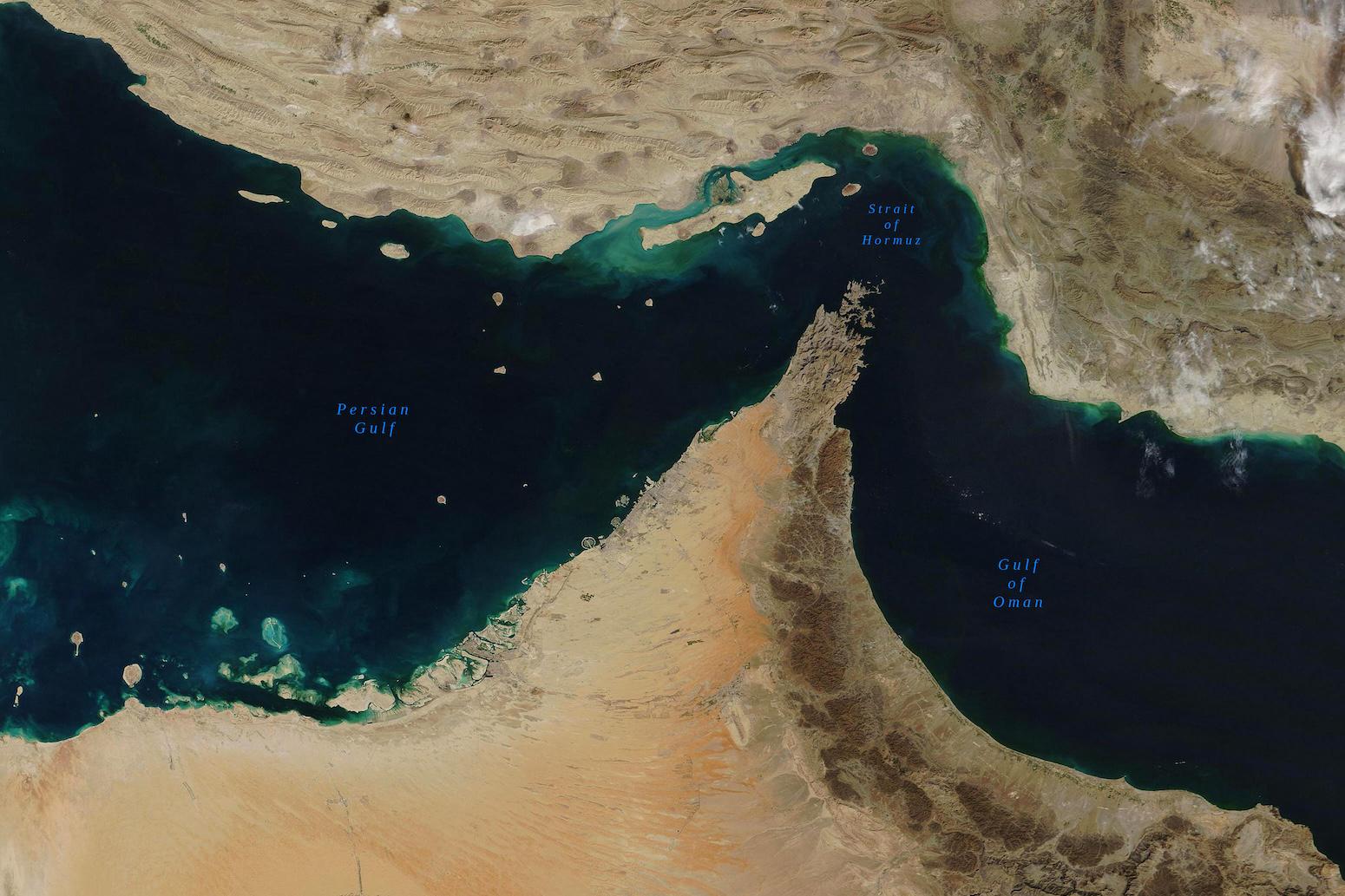
> The US-Iran war has severely disrupted trade through the strait of Hormuz, causing a spike in oil and gas prices that continues to ripple around the global economy.
> Each month of disruption – and each new flashpoint, such as in Yemen – is increasing the incentive to switch to alternatives.
> Those alternatives include coal, with the latest forecasts pointing to a 1.2% rise in coal demand this year – apparently supporting media claims of a “return to coal” in the wake of the crisis.
> Yet Carbon Brief’s analysis shows the rise in emissions associated with this increased coal use, much of which is unrelated to Hormuz, is set to be more than offset by declines for oil and gas.
> The estimated overall impact on carbon dioxide (CO2) emissions from fossil fuels in 2026 is shown in the figure below and amounts to a reduction of around 0.5% from 2025 levels.
!ping ECO
IamNotArobot011001 on
Donald Trump might be the greatest ecological warrior in world history
cAtloVeR9998 on
Reminds me of South Africa significantly cutting carbon emissions. If your coal power plants all break down, then some of your other metrics are flashing green.

3 Comments
Submission statement: Donald Trump’s disastrous war against Iran is one of the most critical watershed moments in our fight against climate change. As the Middle East crisis strangles oil and gas supplies and thanks to developments in green technology (in large parts thanks to Chinese manufacturering), the Middle East Crisis is accelerating the adoption of renewable energy and electric vehicles (of all types) globally.
> Global fossil-fuel emissions are set to fall by around 0.5% in 2026 amid the fallout from the Hormuz crisis, according to Carbon Brief analysis.
> The US-Iran war has severely disrupted trade through the strait of Hormuz, causing a spike in oil and gas prices that continues to ripple around the global economy.
> Each month of disruption – and each new flashpoint, such as in Yemen – is increasing the incentive to switch to alternatives.
> Those alternatives include coal, with the latest forecasts pointing to a 1.2% rise in coal demand this year – apparently supporting media claims of a “return to coal” in the wake of the crisis.
> Yet Carbon Brief’s analysis shows the rise in emissions associated with this increased coal use, much of which is unrelated to Hormuz, is set to be more than offset by declines for oil and gas.
> The estimated overall impact on carbon dioxide (CO2) emissions from fossil fuels in 2026 is shown in the figure below and amounts to a reduction of around 0.5% from 2025 levels.
!ping ECO
Donald Trump might be the greatest ecological warrior in world history
Reminds me of South Africa significantly cutting carbon emissions. If your coal power plants all break down, then some of your other metrics are flashing green.