
Submission Statement: HD Hyundai is speeding up to secure India as its third overseas shipbuilding production base after Vietnam and the Philippines. The strategy is to focus on building high value-added ships at Korean shipyards and raise cost competitiveness for standard commercial vessels—such as bulk carriers and tankers, where price competition is intense—through overseas production to take on China again.
The Indian government's active push to expand its fleet and foster shipbuilding is also adding momentum to HD Hyundai's move into India. The government is pooling ship demand from government agencies and state-owned enterprises and is expanding subsidies and shipyard infrastructure support so that these orders lead to local construction in India.
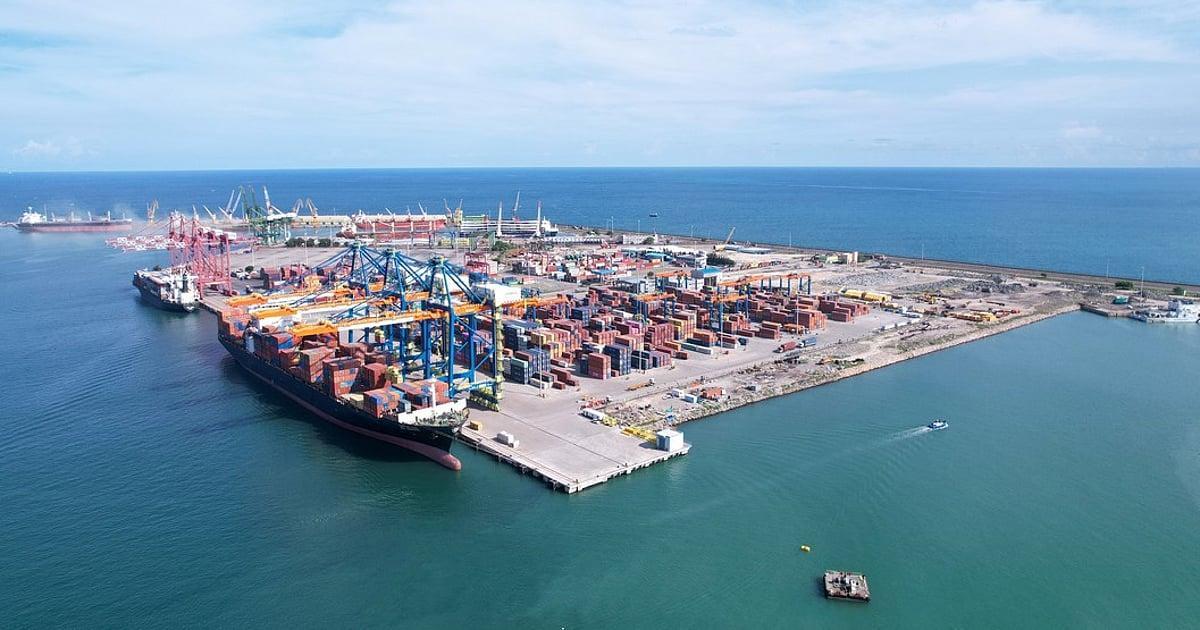
Under this project, the Indian government side will create a shipbuilding cluster and shared infrastructure, while HD Hyundai, as the key investor, will invest in and operate the shipyard facilities. Local estimates in India put the total investment for building the Thoothukudi shipyard at up to $4 billion (about 5.4 trillion won). The Thoothukudi VOC Port Authority recently announced a tender to establish a detailed project plan for the shipbuilding cluster.
HD Hyundai's strategy is to make India a production base to reenter the global tanker and bulk carrier market. HD Korea Shipbuilding & Offshore Engineering last month scrapped a joint venture plan it had been reviewing with Cochin Shipyard Limited for a hull block plant, putting more weight behind the Thoothukudi project.
According to the Directorate General of Shipping (DG Shipping), ship demand compiled by the Indian government in the public sector totals 437 vessels. That includes 267 bulk carriers, tankers, and container ships to be introduced by the state-run Shipping Corporation of India (SCI) by 2047; 59 vessels for state-run oil and gas companies; 100 eco-friendly tugboats for major ports; and 11 dredgers for the state-run dredging company.
India is moving to secure such a large number of ships because the share carried by its own fleet is markedly small compared with its trade volume. Last year, India-flagged ships carried just 6.08% of overseas cargo. Freight paid to foreign shipping lines amounts to about $75 billion a year, on par with India's annual defense budget. As trade grows, India lacks enough ships to carry it, and massive transport costs are flowing overseas.
Posted by DifficultBarber6969