> ONLY A FEW fire-blackened branches and tree stumps, half hidden by young green ferns, betray the horrors that visited this valley in southern China a little over two years ago. No shrine or memorial stone marks the place where 132 people on a domestic flight from Kunming to Guangzhou lost their lives. They died in the early afternoon of March 21st 2022 when their China Eastern Boeing 737 hit the ground in a near-vertical nosedive, travelling at close to the speed of sound.
> An unmarked dirt road leads to the crash site in the southern province of Guangxi, winding through citrus orchards and eucalyptus groves from the nearest village, Molang. For a while the steep-sided crater was sealed behind a wall of blue metal panels. Now farmers on motorcycles pass through openings to reach their fields. Controls remain in place, though. When Chaguan walked to the crater on a recent afternoon he was soon accosted by the deputy head of the village Communist Party committee, who like most locals bears the family name Mo. “We pay great attention to state security here,” Mr Mo explained, while filming your columnist with his phone. Villagers had told him about the arrival of a foreigner, heeding government instructions to report “people from elsewhere, spies and so on”. Locals would refuse to say anything about the plane crash, he added.
> To this day Chinese authorities have proposed no cause for the disaster. Officials have confirmed that no problems were logged with the plane, its crew or the weather before take-off. Images of the doomed airliner, caught by a security camera near the crash site, show it hurtling earthwards in one piece. Though Boeing’s reputation as a manufacturer is taking a battering just now, no safety alerts have been issued by China Eastern or Boeing about the crash in 2022. These would have flagged things that other carriers need to know about. To aviation professionals, the only remaining explanation is “intentional pilot action”. The same professionals point to a telltale surge in Chinese efforts to monitor pilot mental health, including sessions on mental illness at an Asia-Pacific aviation-safety summit in August to be co-hosted in Beijing by the Civil Aviation Administration of China.
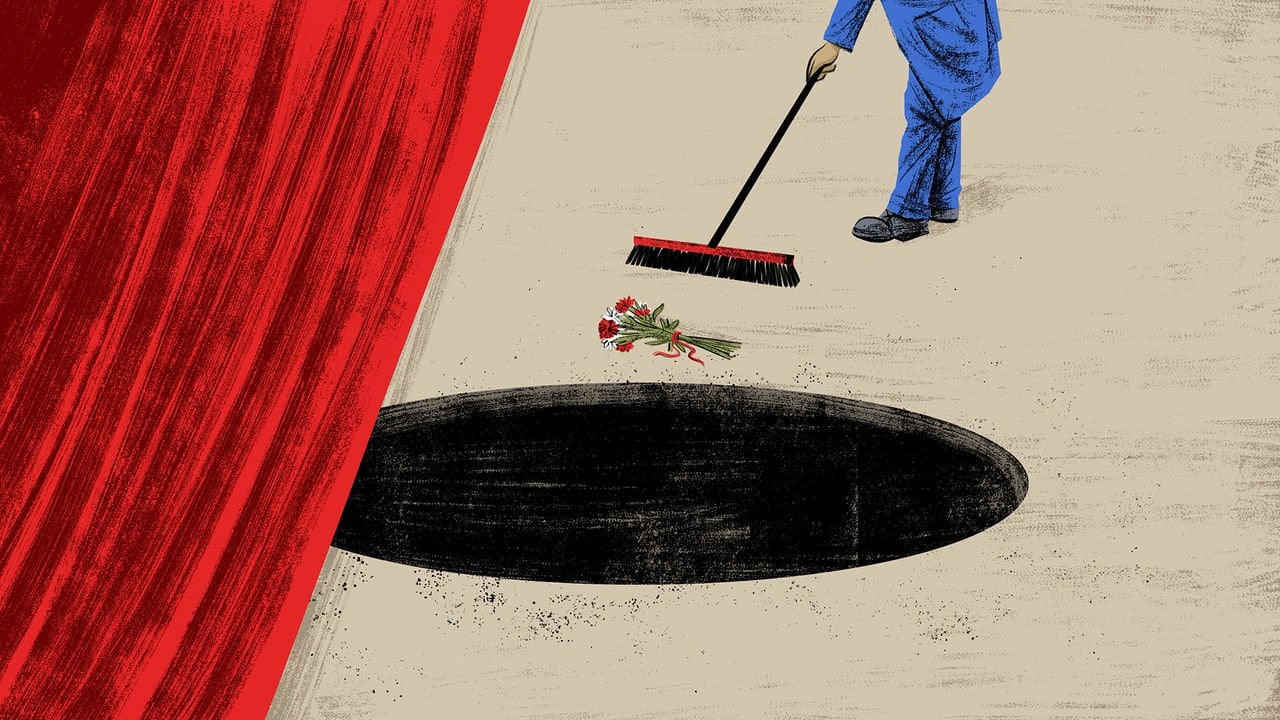
> Chaguan did not travel to Guangxi to gawp at a disaster scene. His aim was to explore how officially mandated amnesia works on the ground. The question is worth asking because imposed forgetting is becoming more brazen in Xi Jinping’s China. Party bosses have always resorted to cover-ups when things go wrong. But in the first decades of the reform era, as China embraced capitalism and opened to the world, media, lawyers, civil-society groups and even some officials were more willing to press the government for explanations. After a high-speed train crash killed 40 near the city of Wenzhou in 2011, railway officials called off the search for survivors after eight hours and buried some train carriages in a pit. They reversed course amid an outcry, including on-air condemnations by state-television hosts. After 21 hours of searching, a two-year-old girl was found alive. The buried carriages were dug up.

1 Comment
> ONLY A FEW fire-blackened branches and tree stumps, half hidden by young green ferns, betray the horrors that visited this valley in southern China a little over two years ago. No shrine or memorial stone marks the place where 132 people on a domestic flight from Kunming to Guangzhou lost their lives. They died in the early afternoon of March 21st 2022 when their China Eastern Boeing 737 hit the ground in a near-vertical nosedive, travelling at close to the speed of sound.
> An unmarked dirt road leads to the crash site in the southern province of Guangxi, winding through citrus orchards and eucalyptus groves from the nearest village, Molang. For a while the steep-sided crater was sealed behind a wall of blue metal panels. Now farmers on motorcycles pass through openings to reach their fields. Controls remain in place, though. When Chaguan walked to the crater on a recent afternoon he was soon accosted by the deputy head of the village Communist Party committee, who like most locals bears the family name Mo. “We pay great attention to state security here,” Mr Mo explained, while filming your columnist with his phone. Villagers had told him about the arrival of a foreigner, heeding government instructions to report “people from elsewhere, spies and so on”. Locals would refuse to say anything about the plane crash, he added.
> To this day Chinese authorities have proposed no cause for the disaster. Officials have confirmed that no problems were logged with the plane, its crew or the weather before take-off. Images of the doomed airliner, caught by a security camera near the crash site, show it hurtling earthwards in one piece. Though Boeing’s reputation as a manufacturer is taking a battering just now, no safety alerts have been issued by China Eastern or Boeing about the crash in 2022. These would have flagged things that other carriers need to know about. To aviation professionals, the only remaining explanation is “intentional pilot action”. The same professionals point to a telltale surge in Chinese efforts to monitor pilot mental health, including sessions on mental illness at an Asia-Pacific aviation-safety summit in August to be co-hosted in Beijing by the Civil Aviation Administration of China.
> Chaguan did not travel to Guangxi to gawp at a disaster scene. His aim was to explore how officially mandated amnesia works on the ground. The question is worth asking because imposed forgetting is becoming more brazen in Xi Jinping’s China. Party bosses have always resorted to cover-ups when things go wrong. But in the first decades of the reform era, as China embraced capitalism and opened to the world, media, lawyers, civil-society groups and even some officials were more willing to press the government for explanations. After a high-speed train crash killed 40 near the city of Wenzhou in 2011, railway officials called off the search for survivors after eight hours and buried some train carriages in a pit. They reversed course amid an outcry, including on-air condemnations by state-television hosts. After 21 hours of searching, a two-year-old girl was found alive. The buried carriages were dug up.
!ping CHINA&AVIATION