>Germany narrowly avoided a plane crash earlier this year after a parcel destined
>for an aircraft’s hold burst into flames before the flight in a suspected act of
>sabotage, one of the country’s spy chiefs has said as he warned of a dramatic
>increase in “aggressive behaviour” by Russian agents.
>
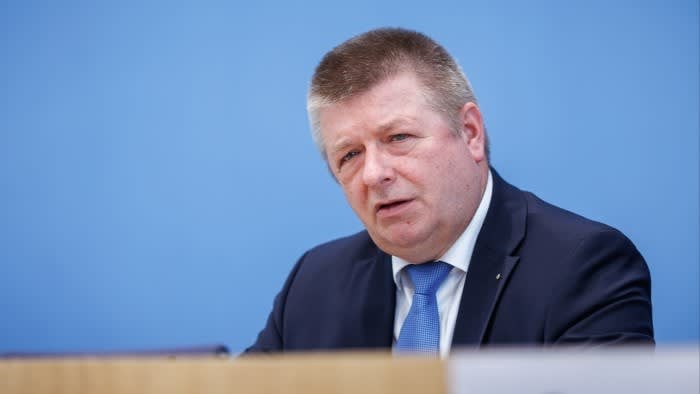
>Thomas Haldenwang, head of Germany’s domestic intelligence service, said that
>only a lucky coincidence meant that the package caught fire on the ground at a
>DHL logistics centre in Leipzig and not in mid-air. He did not say if it was a
>passenger or freight plane.
>
>Haldenwang told a parliamentary committee at the German Bundestag that if the
>package had ignited during the flight, “it would have resulted in a crash”.
>
>While he did not name the suspected perpetrators, the German news agency DPA
>said security services were working on the assumption that the attack was
>connected to Russia. It was not clear to whom the parcel was sent.
>
>Appearing before members of parliament, Haldenwang and other German spy
>chiefs issued the latest western warning that the Kremlin had significantly stepped
>up its destabilisation efforts, with attempted acts of espionage and sabotage
>increasing “both quantitatively and qualitatively” in Germany.
>
>“We are observing aggressive behaviour by the Russian intelligence services,” he
>said, adding that Moscow was “putting people’s lives at risk”. He warned: “It
>affects all areas of our free society.”
>
>Bruno Kahl, head of Germany’s foreign intelligence service, said the Kremlin’s
>willingness to take covert action had reached a “previously unknown level”.
>Putin was likely to “test the west’s red lines”, he added, saying that there was a
>large risk of further escalation in the stand-off between Nato and Russia following
>Putin’s full-scale invasion of Ukraine.
>
>Martina Rosenberg, head of the Germany’s military counter-intelligence service,
>said she was alarmed by attempts by foreign intelligence services to spy on the
>country’s armed forces.
>
>Rosenberg said there were efforts to glean information about German arms
>deliveries to Ukraine, as well as training projects. Germany is one of the biggest
>international suppliers of weapons to Kyiv and is also home to a series of camps
>where Ukrainian soldiers learn to operate western military equipment. Moscow,
>she added, was also seeking to “create a sense of insecurity through acts of
>sabotage”.
>
>The revelations by the German spy chiefs follow similar warnings from other
>western intelligence agencies about the activities of Russia and other hostile states
>on European soil.
>
>The head of Britain’s MI5, Ken McCallum, said last week that Russia was on a
>“mission to generate mayhem” on Britain’s streets and that Iran was fomenting
>lethal plots at “an unprecedented pace and scale”.
>
>Western officials have sounded the alarm about a series of suspected Russian
>sabotage attempts this year. In March, a London warehouse belonging to a
>company linked to Ukraine caught fire in a suspected arson attack. In May, Polish
>Prime Minister Donald Tusk accused Moscow of being behind a fire in a shopping
>centre in Warsaw.
>
>Germany has also been subjected to a series of suspected or attempted attacks. In
>April, two suspected Russian agents were arrested over alleged plans to carry out
>arson and bombings on military targets and arms factories.
>
>In August, a military base in western Germany was sealed off for several hours
>after a suspected attempt to contaminate its supply of drinking water.
>
>One of the most serious incidents was an alleged plan to assassinate Armin
>Papperger, chief executive of the German weapons producer Rheinmetall, whose
>company has supplied artillery shells and military vehicles to Ukraine. The plot
>was discovered by US intelligence.

1 Comment
>Germany narrowly avoided a plane crash earlier this year after a parcel destined
>for an aircraft’s hold burst into flames before the flight in a suspected act of
>sabotage, one of the country’s spy chiefs has said as he warned of a dramatic
>increase in “aggressive behaviour” by Russian agents.
>
>Thomas Haldenwang, head of Germany’s domestic intelligence service, said that
>only a lucky coincidence meant that the package caught fire on the ground at a
>DHL logistics centre in Leipzig and not in mid-air. He did not say if it was a
>passenger or freight plane.
>
>Haldenwang told a parliamentary committee at the German Bundestag that if the
>package had ignited during the flight, “it would have resulted in a crash”.
>
>While he did not name the suspected perpetrators, the German news agency DPA
>said security services were working on the assumption that the attack was
>connected to Russia. It was not clear to whom the parcel was sent.
>
>Appearing before members of parliament, Haldenwang and other German spy
>chiefs issued the latest western warning that the Kremlin had significantly stepped
>up its destabilisation efforts, with attempted acts of espionage and sabotage
>increasing “both quantitatively and qualitatively” in Germany.
>
>“We are observing aggressive behaviour by the Russian intelligence services,” he
>said, adding that Moscow was “putting people’s lives at risk”. He warned: “It
>affects all areas of our free society.”
>
>Bruno Kahl, head of Germany’s foreign intelligence service, said the Kremlin’s
>willingness to take covert action had reached a “previously unknown level”.
>Putin was likely to “test the west’s red lines”, he added, saying that there was a
>large risk of further escalation in the stand-off between Nato and Russia following
>Putin’s full-scale invasion of Ukraine.
>
>Martina Rosenberg, head of the Germany’s military counter-intelligence service,
>said she was alarmed by attempts by foreign intelligence services to spy on the
>country’s armed forces.
>
>Rosenberg said there were efforts to glean information about German arms
>deliveries to Ukraine, as well as training projects. Germany is one of the biggest
>international suppliers of weapons to Kyiv and is also home to a series of camps
>where Ukrainian soldiers learn to operate western military equipment. Moscow,
>she added, was also seeking to “create a sense of insecurity through acts of
>sabotage”.
>
>The revelations by the German spy chiefs follow similar warnings from other
>western intelligence agencies about the activities of Russia and other hostile states
>on European soil.
>
>The head of Britain’s MI5, Ken McCallum, said last week that Russia was on a
>“mission to generate mayhem” on Britain’s streets and that Iran was fomenting
>lethal plots at “an unprecedented pace and scale”.
>
>Western officials have sounded the alarm about a series of suspected Russian
>sabotage attempts this year. In March, a London warehouse belonging to a
>company linked to Ukraine caught fire in a suspected arson attack. In May, Polish
>Prime Minister Donald Tusk accused Moscow of being behind a fire in a shopping
>centre in Warsaw.
>
>Germany has also been subjected to a series of suspected or attempted attacks. In
>April, two suspected Russian agents were arrested over alleged plans to carry out
>arson and bombings on military targets and arms factories.
>
>In August, a military base in western Germany was sealed off for several hours
>after a suspected attempt to contaminate its supply of drinking water.
>
>One of the most serious incidents was an alleged plan to assassinate Armin
>Papperger, chief executive of the German weapons producer Rheinmetall, whose
>company has supplied artillery shells and military vehicles to Ukraine. The plot
>was discovered by US intelligence.