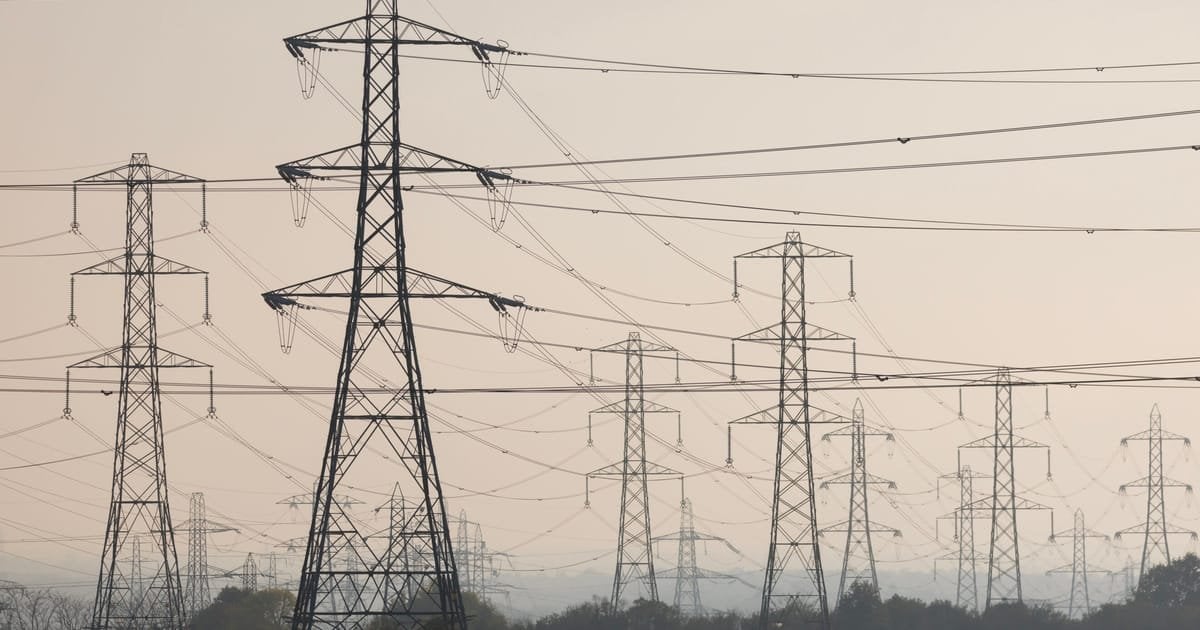
> The UK government is looking at plans which would effectively wipe out electricity bills for most households living near new electricity pylons. It is one policy currently being considered in Whitehall, as politicians and officials try to defuse a fierce local backlash against proposals for building hundreds of miles of new pylons across rural parts of the country. The anger has spooked some MPs on Labour’s backbenches and threatens to undermine Prime Minister Keir Starmer’s plans to radically overhaul the UK energy system by 2030, one of his five central “missions” for government.
> Energy Secretary Ed Miliband and his top officials have promised to deliver a package of “community benefits” for households in the path of the new infrastructure, which includes vast new solar and wind farms as well as transmission lines. Ministers are set to decide on the package of benefits by March, in time for next year’s Planning and Infrastructure Bill, according to two government officials granted anonymity to discuss internal planning. But some details could be set out before Christmas, the same officials said. One eye-catching recommendation from a Conservative government consultation last year, which proposed £1,000 annual bill discounts — meaning free electricity for the average household — remains under consideration. All options in that consultation are “still in play,” one of the officials said.
> Labour has vowed to drive growth and hit net zero emissions by overcoming resistance from local NIMBYs — the acronym which stands for “not in my back yard” to denote people who say they are in favor of building infrastructure, just not in their own immediate vicinity. One Starmer-loyal MP, Josh Simons, told Politico in October: “When the British public and economy are crying out for builders, there’s no time for blockers.” Anger about pylons has been brewing across the UK’s green and pleasant land for a long time. Now, under Labour’s plans, nearly 620 miles of new electricity transmission lines will be needed to hit the totemic goal of removing fossil fuels from the power sector almost entirely by 2030.
> Starmer and Miliband want the UK to be the first G7 economy to hit the milestone, and argue that cutting reliance on gas would spare the UK another energy price shock such as the one that followed Russia’s invasion of Ukraine in 2022. But hitting that goal would require major building across the British countryside, so that renewable electricity produced mainly by offshore wind farms in the North Sea could be carried to where demand is greatest. Two projects in East Anglia — a 114-mile power line from Norwich to Tilbury and major new substations in Suffolk — are considered “critical” to hitting the 2030 goal, according to the National Energy System Operator (NESO) which runs and plans the power network in Britain.
> Chris Stark, the official leading work on the 2030 target with the Department for Energy Security and Net Zero, is due to publish a “delivery plan” before Christmas, based on technical advice issued last month by the NESO. Speaking at an event in September, Stark said community benefits formed “a key part of the clean power 2030 plan,” and that he was “excited” about how the government could recompense people living near new infrastructure. According to the November 2023 consultation, one option is to give households within 200 or 300 meters of new pylons, substations, or other grid infrastructure “up to £10,000 per property” over 10 years.
> Average household electricity costs are forecast to hit just over £866 next year, according to independent analysts Cornwall Insight. Average annual household energy bills — made up of electricity and gas — are currently £1,738 according to energy regulator Ofgem’s energy price cap. The community benefits consultation recommended rolling out an energy bills discount alongside an unspecified “wider benefit for the local community,” valued at around £320,000 per mile of overhead transmission line. The scheme would cost between £1.5 billion and £2.5 billion annually, funded by an increase to all energy bills of around £2 to £5 a year, the document said. It would initially be voluntary for energy companies to sign up, but the consultation said officials had been looking at the possibility of making the scheme mandatory.
> Even under a voluntary scheme, political pressure on energy companies to sign up would likely be intense. Energy Minister Michael Shanks told MPs in November: “If communities host infrastructure and generation, they should benefit.” But this funding approach could spark a backlash. Consumer charity Citizens Advice said it would be fairer to fund community benefits through tax rather than bills because higher bills disproportionately impact poorer households. “Why should people in Tower Hamlets social housing pay extra on their bill to subsidize people in the Suffolk countryside because the latter can see a pylon from their window?” said one energy industry figure, granted anonymity to speak frankly.
> Plus, some local campaigners sound unpersuaded, to say the least. Rosie Pearson, founder of the Essex Suffolk Norfolk Pylons campaign group, said: “People consider it insulting to be offered a token discount off their bills when their homes are facing huge drops in value and their business may be at risk. Firstly, people want to see the right infrastructure, and that should involve a pylons-last approach to the grid upgrade. Secondly, the compensation system needs to be overhauled so that no-one is out of pocket when grid infrastructure is built. The obsession by think tankers and government with community benefits is alarming.”
> A spokesperson for the Department for Energy Security and Net Zero said: “As shown by independent analysis from the National Energy Systems Operator, clean power is achievable, and can create a cheaper, more secure energy system. Securing Britain’s clean energy future will require improving infrastructure to get renewable electricity on the grid. Without this infrastructure, we will never deliver clean power for the British people. It is important we take people with us and are considering ways to ensure communities who live near new clean energy infrastructure can see the benefits of this, and we will provide an update in due course.”

1 Comment
> The UK government is looking at plans which would effectively wipe out electricity bills for most households living near new electricity pylons. It is one policy currently being considered in Whitehall, as politicians and officials try to defuse a fierce local backlash against proposals for building hundreds of miles of new pylons across rural parts of the country. The anger has spooked some MPs on Labour’s backbenches and threatens to undermine Prime Minister Keir Starmer’s plans to radically overhaul the UK energy system by 2030, one of his five central “missions” for government.
> Energy Secretary Ed Miliband and his top officials have promised to deliver a package of “community benefits” for households in the path of the new infrastructure, which includes vast new solar and wind farms as well as transmission lines. Ministers are set to decide on the package of benefits by March, in time for next year’s Planning and Infrastructure Bill, according to two government officials granted anonymity to discuss internal planning. But some details could be set out before Christmas, the same officials said. One eye-catching recommendation from a Conservative government consultation last year, which proposed £1,000 annual bill discounts — meaning free electricity for the average household — remains under consideration. All options in that consultation are “still in play,” one of the officials said.
> Labour has vowed to drive growth and hit net zero emissions by overcoming resistance from local NIMBYs — the acronym which stands for “not in my back yard” to denote people who say they are in favor of building infrastructure, just not in their own immediate vicinity. One Starmer-loyal MP, Josh Simons, told Politico in October: “When the British public and economy are crying out for builders, there’s no time for blockers.” Anger about pylons has been brewing across the UK’s green and pleasant land for a long time. Now, under Labour’s plans, nearly 620 miles of new electricity transmission lines will be needed to hit the totemic goal of removing fossil fuels from the power sector almost entirely by 2030.
> Starmer and Miliband want the UK to be the first G7 economy to hit the milestone, and argue that cutting reliance on gas would spare the UK another energy price shock such as the one that followed Russia’s invasion of Ukraine in 2022. But hitting that goal would require major building across the British countryside, so that renewable electricity produced mainly by offshore wind farms in the North Sea could be carried to where demand is greatest. Two projects in East Anglia — a 114-mile power line from Norwich to Tilbury and major new substations in Suffolk — are considered “critical” to hitting the 2030 goal, according to the National Energy System Operator (NESO) which runs and plans the power network in Britain.
> Chris Stark, the official leading work on the 2030 target with the Department for Energy Security and Net Zero, is due to publish a “delivery plan” before Christmas, based on technical advice issued last month by the NESO. Speaking at an event in September, Stark said community benefits formed “a key part of the clean power 2030 plan,” and that he was “excited” about how the government could recompense people living near new infrastructure. According to the November 2023 consultation, one option is to give households within 200 or 300 meters of new pylons, substations, or other grid infrastructure “up to £10,000 per property” over 10 years.
> Average household electricity costs are forecast to hit just over £866 next year, according to independent analysts Cornwall Insight. Average annual household energy bills — made up of electricity and gas — are currently £1,738 according to energy regulator Ofgem’s energy price cap. The community benefits consultation recommended rolling out an energy bills discount alongside an unspecified “wider benefit for the local community,” valued at around £320,000 per mile of overhead transmission line. The scheme would cost between £1.5 billion and £2.5 billion annually, funded by an increase to all energy bills of around £2 to £5 a year, the document said. It would initially be voluntary for energy companies to sign up, but the consultation said officials had been looking at the possibility of making the scheme mandatory.
> Even under a voluntary scheme, political pressure on energy companies to sign up would likely be intense. Energy Minister Michael Shanks told MPs in November: “If communities host infrastructure and generation, they should benefit.” But this funding approach could spark a backlash. Consumer charity Citizens Advice said it would be fairer to fund community benefits through tax rather than bills because higher bills disproportionately impact poorer households. “Why should people in Tower Hamlets social housing pay extra on their bill to subsidize people in the Suffolk countryside because the latter can see a pylon from their window?” said one energy industry figure, granted anonymity to speak frankly.
> Plus, some local campaigners sound unpersuaded, to say the least. Rosie Pearson, founder of the Essex Suffolk Norfolk Pylons campaign group, said: “People consider it insulting to be offered a token discount off their bills when their homes are facing huge drops in value and their business may be at risk. Firstly, people want to see the right infrastructure, and that should involve a pylons-last approach to the grid upgrade. Secondly, the compensation system needs to be overhauled so that no-one is out of pocket when grid infrastructure is built. The obsession by think tankers and government with community benefits is alarming.”
> A spokesperson for the Department for Energy Security and Net Zero said: “As shown by independent analysis from the National Energy Systems Operator, clean power is achievable, and can create a cheaper, more secure energy system. Securing Britain’s clean energy future will require improving infrastructure to get renewable electricity on the grid. Without this infrastructure, we will never deliver clean power for the British people. It is important we take people with us and are considering ways to ensure communities who live near new clean energy infrastructure can see the benefits of this, and we will provide an update in due course.”
!ping UK&ECO&YIMBY