> Grey-zone operations, hybrid warfare, slicing the salami: there are many terms for Russia’s use of covert attacks that leave opponents unsure how to respond. The latest theatre seems to be the Baltic Sea. Twice in the past two months, commercial ships with Russian links have been accused of damaging cables by dragging their anchors.
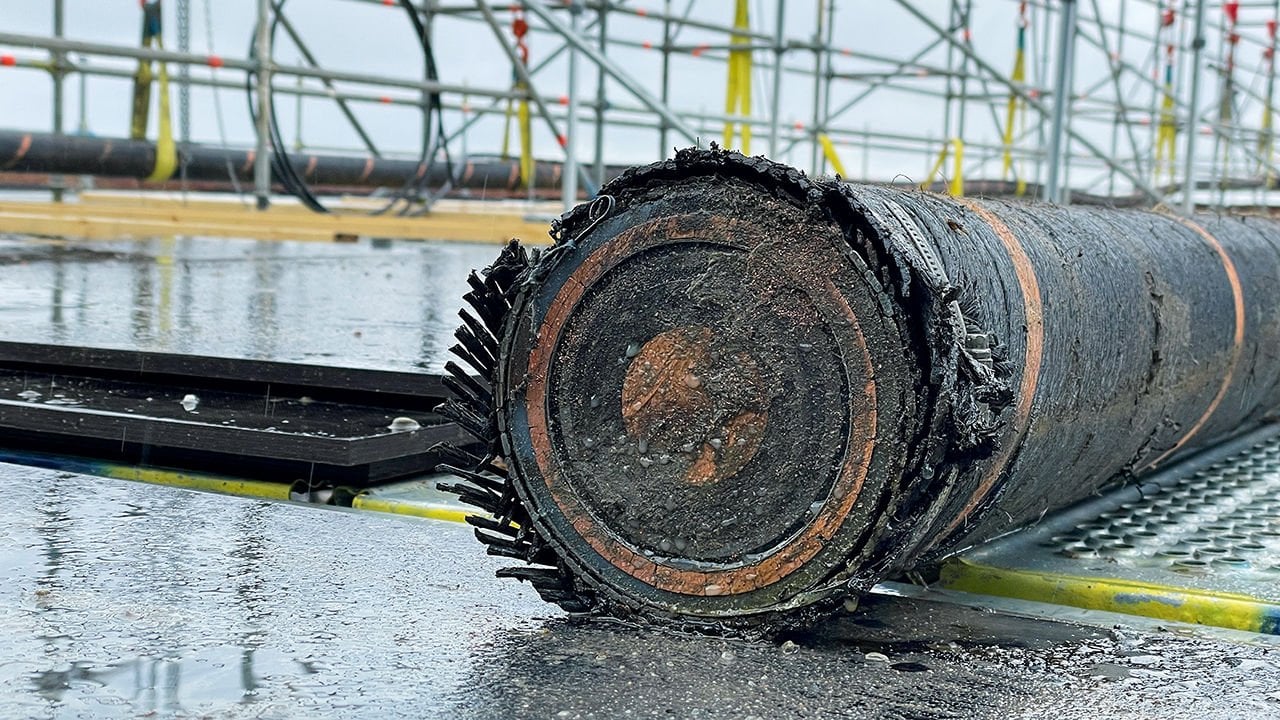
> In November, after telecoms cables to Scandinavia were cut, the Danish navy detained the Yi Peng 3, a Chinese freighter coming from a Russian port, for a month. But China refused to co-operate, and the ship eventually sailed on. Then, on Christmas Day, an electric cable between Finland and Estonia was severed, allegedly by the Eagle S, a tanker shipping Russian oil under a Cook Islands flag. The tanker had at one point reportedly been kitted out as a Russian spy ship. Finland took a stronger approach: coastguards boarded the ship and took it to a Finnish harbour. Finnish prosecutors are preparing criminal charges.
> Underwater infrastructure makes an attractive target for grey-zone attacks, partly because much of it sits, literally, in a legal grey zone. Under the un Convention on the Law of the Sea (UNCLOS), countries have full jurisdiction only within 12 nautical miles (22km) of their coasts.
> Many pipelines and cables lie in their exclusive economic zones, or eezs (up to 200 nautical miles from the shore), where foreign ships engaged in “innocent navigation” have a right to free passage. Ships engaging in sabotage enjoy no such right, but proving that they are doing so usually means stopping the ship, a chicken-and-egg problem. Under the treaty, the country responsible outside territorial waters is the flag state, here the Cook Islands. That is a loophole, but unclos’s authors never imagined such problems. Indeed, damage to underwater cables is regulated by a different treaty dating from 1884.
> Underwater gear is also hard to protect. Cables in the Baltic can be hundreds of kilometres long. Many have underwater sensors to detect damage, but navies must be quick to find the perpetrator. nato has ample naval resources in the area (every Baltic country save Russia is a member), but these have been deployed mainly against traditional military threats, not to protect civilian infrastructure. And Russia has a secret weapon: its “dark fleet” of tankers and freighters, developed to evade Western sanctions after it invaded Ukraine in 2022. These are often poorly maintained, badly insured and owned (officially) by front companies in Caribbean or Gulf countries. Besides threatening cables, they also menace the environment with potential oil spills.
> How to counter the threat? First, follow the Finns’ lead. Their coastguard arrived so quickly that it seems to have caught the Eagle S red-handed, as the ship’s crew hurriedly retracted its anchor chain. By impounding the tanker, the Finns have imposed significant costs on its owners. And bringing criminal charges under Finnish law against the owners (a company in the United Arab Emirates) for deliberately damaging infrastructure, and investigating suspected crew members, creates a deterrent to further sabotage. Meanwhile, NATO has announced that it is beefing up its patrols in the Baltic.
> Next, cast the net wider. European countries should press the likes of China and the uae to ensure that ships under their flags do not engage in sabotage, if they want their companies to be considered for lucrative contracts on European maritime infrastructure. Coastguards should detain underinsured ships, to help hunt down Russia’s dark fleet. A growing hybrid threat requires a robust hybrid response.

1 Comment
> Grey-zone operations, hybrid warfare, slicing the salami: there are many terms for Russia’s use of covert attacks that leave opponents unsure how to respond. The latest theatre seems to be the Baltic Sea. Twice in the past two months, commercial ships with Russian links have been accused of damaging cables by dragging their anchors.
> In November, after telecoms cables to Scandinavia were cut, the Danish navy detained the Yi Peng 3, a Chinese freighter coming from a Russian port, for a month. But China refused to co-operate, and the ship eventually sailed on. Then, on Christmas Day, an electric cable between Finland and Estonia was severed, allegedly by the Eagle S, a tanker shipping Russian oil under a Cook Islands flag. The tanker had at one point reportedly been kitted out as a Russian spy ship. Finland took a stronger approach: coastguards boarded the ship and took it to a Finnish harbour. Finnish prosecutors are preparing criminal charges.
> Underwater infrastructure makes an attractive target for grey-zone attacks, partly because much of it sits, literally, in a legal grey zone. Under the un Convention on the Law of the Sea (UNCLOS), countries have full jurisdiction only within 12 nautical miles (22km) of their coasts.
> Many pipelines and cables lie in their exclusive economic zones, or eezs (up to 200 nautical miles from the shore), where foreign ships engaged in “innocent navigation” have a right to free passage. Ships engaging in sabotage enjoy no such right, but proving that they are doing so usually means stopping the ship, a chicken-and-egg problem. Under the treaty, the country responsible outside territorial waters is the flag state, here the Cook Islands. That is a loophole, but unclos’s authors never imagined such problems. Indeed, damage to underwater cables is regulated by a different treaty dating from 1884.
> Underwater gear is also hard to protect. Cables in the Baltic can be hundreds of kilometres long. Many have underwater sensors to detect damage, but navies must be quick to find the perpetrator. nato has ample naval resources in the area (every Baltic country save Russia is a member), but these have been deployed mainly against traditional military threats, not to protect civilian infrastructure. And Russia has a secret weapon: its “dark fleet” of tankers and freighters, developed to evade Western sanctions after it invaded Ukraine in 2022. These are often poorly maintained, badly insured and owned (officially) by front companies in Caribbean or Gulf countries. Besides threatening cables, they also menace the environment with potential oil spills.
> How to counter the threat? First, follow the Finns’ lead. Their coastguard arrived so quickly that it seems to have caught the Eagle S red-handed, as the ship’s crew hurriedly retracted its anchor chain. By impounding the tanker, the Finns have imposed significant costs on its owners. And bringing criminal charges under Finnish law against the owners (a company in the United Arab Emirates) for deliberately damaging infrastructure, and investigating suspected crew members, creates a deterrent to further sabotage. Meanwhile, NATO has announced that it is beefing up its patrols in the Baltic.
> Next, cast the net wider. European countries should press the likes of China and the uae to ensure that ships under their flags do not engage in sabotage, if they want their companies to be considered for lucrative contracts on European maritime infrastructure. Coastguards should detain underinsured ships, to help hunt down Russia’s dark fleet. A growing hybrid threat requires a robust hybrid response.
!ping EUROPE