
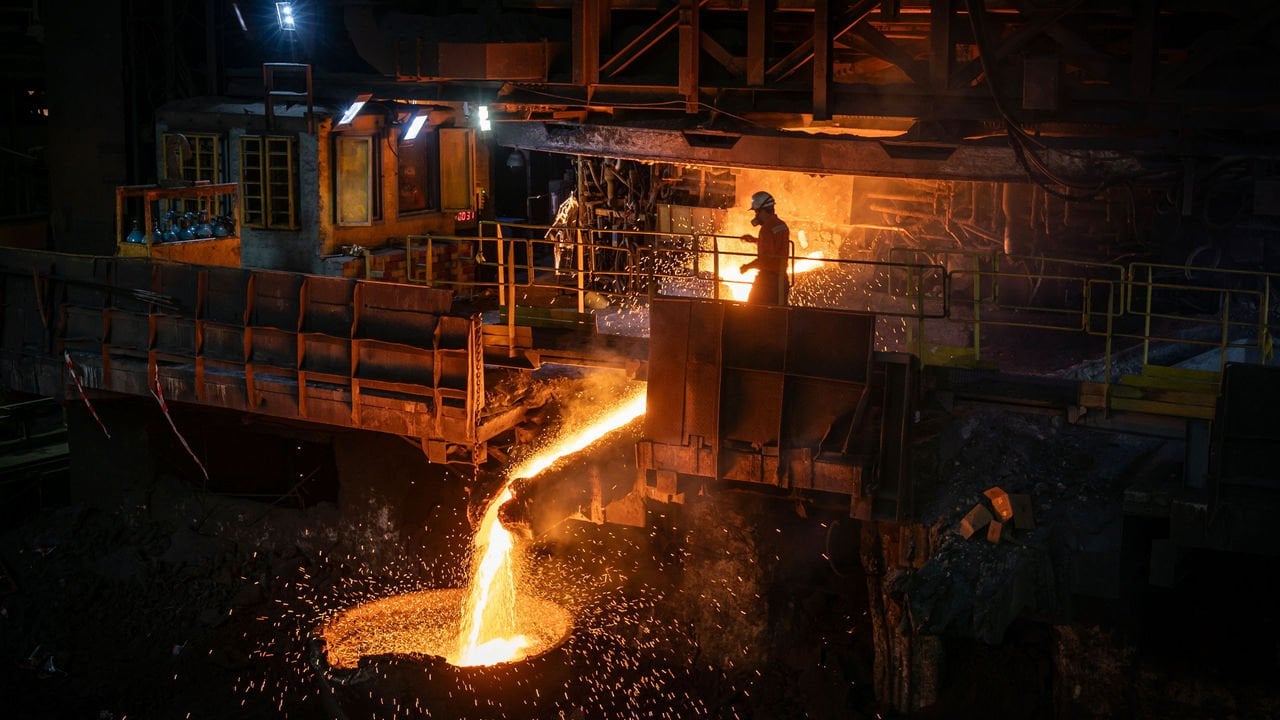
In 2014, Indonesia implemented a controversial export ban on unprocessed ores to force companies to refine them within the country, aiming to capture investment and create jobs. While critics, including The Economist, warned that this could damage the economy, the strategy has succeeded in the nickel industry. Indonesia, with the world’s largest nickel reserves, now dominates global refined nickel production, especially after the ban on unprocessed nickel exports fully took effect in 2020. The country’s nickel exports soared, significantly boosting its trade surplus.
However, Indonesia’s push for broader industrialization, particularly in electric vehicles (EVs), is seen as misguided. While it controls key resources like nickel, raw materials only represent a small portion of EV costs, and Indonesia faces stiff competition from more attractive neighbors like Vietnam and Thailand. The country’s domestic demand for EVs remains low, and its efforts to subsidize the market have not gained traction. Despite potential long-term development of a supply chain, the fiscal burden of such subsidies could outweigh the benefits.
A more effective strategy might be for Indonesia to specialize in parts of the EV supply chain, like nickel-battery precursors, rather than trying to control the entire process. Broader reforms—such as curbing corruption, reducing red tape, and improving infrastructure—could yield more sustainable growth than the risky bet on EV manufacturing.
Posted by Loud-Chemistry-5056
1 Comment
> Indonesia’s resource nationalism has overwhelmed other producers. Nickel mines are going bust from Australia to Brazil; perhaps half are unprofitable.
If it’s worth noting, Australia has a silly tax regime on mining which leads to them going bust