> Simply put, Australia has not been building enough homes to meet the demands of its rapidly growing population, creating a scarcity that makes any available home more expensive to buy or rent.
>Compounding the issue are Australia’s restrictive planning laws, which prevent homes being built where most people want to live, such as in major cities.
>Red tape means that popular metropolitan areas like Melbourne and Sydney are far less dense than comparably sized cities around the world.
>The steady decline of public housing and ballooning waitlists have made matters worse, tipping people into homelessness or overcrowded living conditions.
>Climate change has also made many areas increasingly unliveable, with natural disasters such as bushfires and severe storms destroying large swathes of properties.
>Meanwhile, decades of government policies have commercialised property ownership. So the ideal of owning a home, once seen as a right in Australia, has turned into an investment opportunity.
> How much do I need to buy or rent a home in Australia?
>In short: it depends where you live.
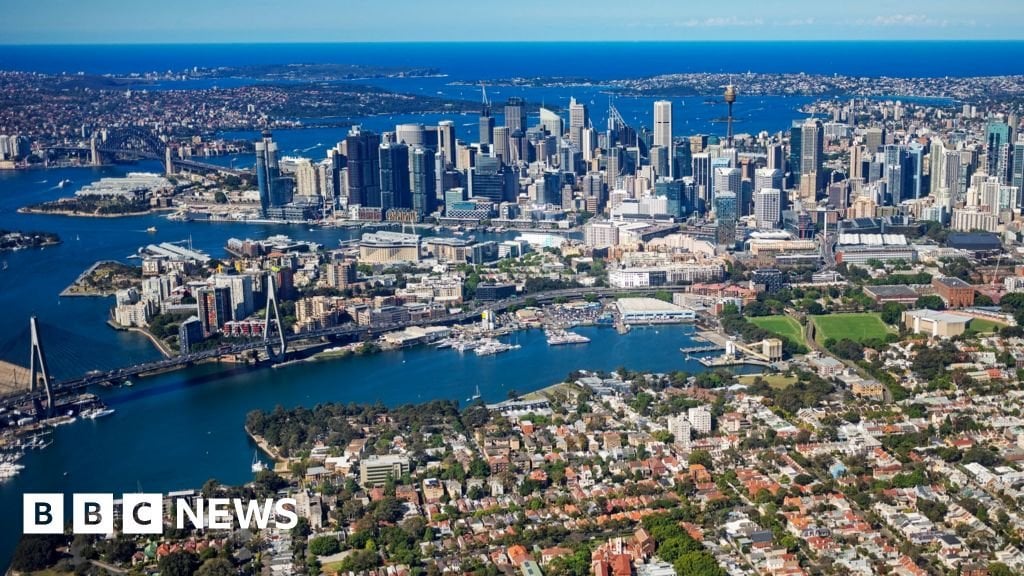
Sydney is currently the second least affordable city in the world to buy a property, according to a 2023 Demographia International Housing Affordability survey.
>The latest data from property analytics company CoreLogic shows the average Sydney home costs almost A$1.2m (£570,294, $742,026).
Across the nation’s capital cities, the combined average house price sits at just over A$900,000.
>House prices in Australia overall have also jumped 39.1% in the last five years – and wages have failed to keep up.
>**It now takes the average prospective homeowner around 10 years to save the 20% deposit usually required to buy an average home, according to a 2024 State of the Housing System report.**
> The rental market has provided little relief, with rents increasing by 36.1% nationally since the onset of Covid – an equivalent rise of A$171 per week.
Sydney topped the charts with a median weekly rent of A$773, according to CoreLogic’s latest rental review. Perth came in second with average rents at A$695 per week, followed by Canberra at A$667 per week.
> **What have Australia’s major parties promised?**
>Labor and the Coalition have both promised to invest in building more homes – with Labor offering 1.2 million by 2029, and the Coalition vowing to unlock 500,000.
>Labor announced a A$33bn housing investment plan in their latest budget, which pledges to help first-time homebuyers purchase properties with smaller deposits through shared-equity loans.
>They have also promised to create more social housing and subsidies to help low-to-moderate-income earners own and rent more affordably.
>Central to the Coalition’s housing affordability policy is cutting migration, reducing the number of international students and implementing a two-year ban on foreign investment in existing properties.
>Additionally, they have promised a A$5bn boost to infrastructure to support local councils by paying for water, power and sewerage at housing development sites.

1 Comment
> Simply put, Australia has not been building enough homes to meet the demands of its rapidly growing population, creating a scarcity that makes any available home more expensive to buy or rent.
>Compounding the issue are Australia’s restrictive planning laws, which prevent homes being built where most people want to live, such as in major cities.
>Red tape means that popular metropolitan areas like Melbourne and Sydney are far less dense than comparably sized cities around the world.
>The steady decline of public housing and ballooning waitlists have made matters worse, tipping people into homelessness or overcrowded living conditions.
>Climate change has also made many areas increasingly unliveable, with natural disasters such as bushfires and severe storms destroying large swathes of properties.
>Meanwhile, decades of government policies have commercialised property ownership. So the ideal of owning a home, once seen as a right in Australia, has turned into an investment opportunity.
> How much do I need to buy or rent a home in Australia?
>In short: it depends where you live.
Sydney is currently the second least affordable city in the world to buy a property, according to a 2023 Demographia International Housing Affordability survey.
>The latest data from property analytics company CoreLogic shows the average Sydney home costs almost A$1.2m (£570,294, $742,026).
Across the nation’s capital cities, the combined average house price sits at just over A$900,000.
>House prices in Australia overall have also jumped 39.1% in the last five years – and wages have failed to keep up.
>**It now takes the average prospective homeowner around 10 years to save the 20% deposit usually required to buy an average home, according to a 2024 State of the Housing System report.**
> The rental market has provided little relief, with rents increasing by 36.1% nationally since the onset of Covid – an equivalent rise of A$171 per week.
Sydney topped the charts with a median weekly rent of A$773, according to CoreLogic’s latest rental review. Perth came in second with average rents at A$695 per week, followed by Canberra at A$667 per week.
> **What have Australia’s major parties promised?**
>Labor and the Coalition have both promised to invest in building more homes – with Labor offering 1.2 million by 2029, and the Coalition vowing to unlock 500,000.
>Labor announced a A$33bn housing investment plan in their latest budget, which pledges to help first-time homebuyers purchase properties with smaller deposits through shared-equity loans.
>They have also promised to create more social housing and subsidies to help low-to-moderate-income earners own and rent more affordably.
>Central to the Coalition’s housing affordability policy is cutting migration, reducing the number of international students and implementing a two-year ban on foreign investment in existing properties.
>Additionally, they have promised a A$5bn boost to infrastructure to support local councils by paying for water, power and sewerage at housing development sites.