
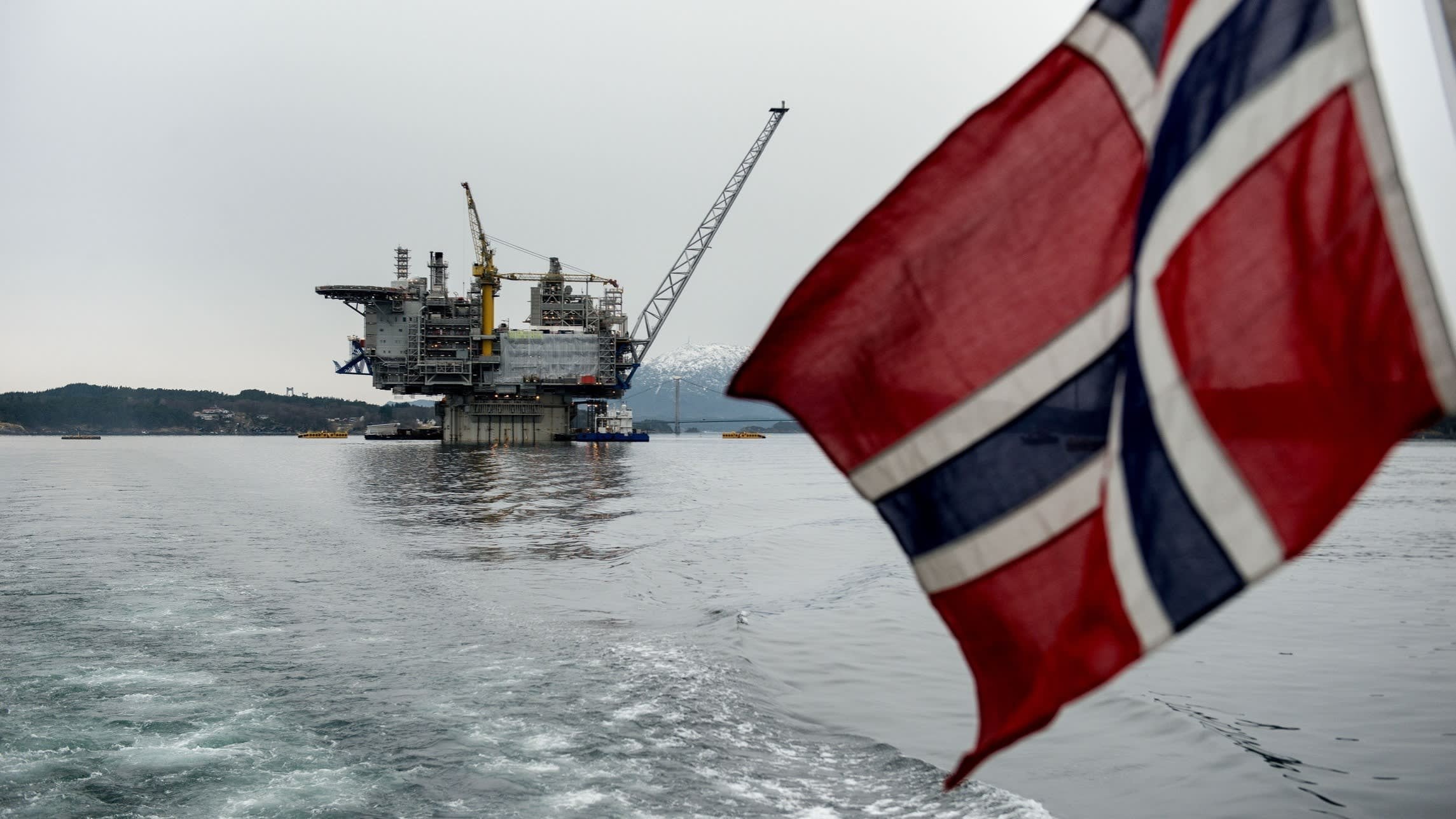
Norway’s oil fund calls for urgent reform of European capital markets | World’s largest sovereign wealth fund says ambitious action needed to improve competitiveness
Posted by ONETRILLIONAMERICANS
Norway’s oil fund calls for urgent reform of European capital markets | World’s largest sovereign wealth fund says ambitious action needed to improve competitiveness
Posted by ONETRILLIONAMERICANS
2 Comments
> The world’s largest sovereign wealth fund is calling for urgent reform of Europe’s capital markets including harmonised tax, insolvency and supervisory rules to ensure the continent does not fall further behind the US and Asia in competitiveness.
> Norway’s $1.9tn oil fund is the biggest single owner of European assets, owning on average 2.5 per cent of every listed company on the continent.
> But the share of European equities in its total assets has fallen from 26 per cent to 15 per cent in the past decade, mainly because of what it says is falling competitiveness compared with US stock markets and some Asian bourses.
> “A well-functioning market in Europe is very important to us . . . It feels like there’s a sense of urgency right now [among policymakers]. We feel it too, and we’re happy about that,” Malin Norberg, chief of market strategies at the fund, told the Financial Times.
> The fund will this week send a response to the European Commission’s consultation on capital markets integration, arguing it should be more ambitious and address deeper structural problems hurting the continent and its multiple national markets.
> “We share the concern that European markets over time have fallen behind in terms of business dynamism and the provision of new investment opportunities to institutional investors,” the letter says.
> “Key barriers include national securities laws, corporate laws, and insolvency regimes that vary significantly across member states.”
> The fund, whose biggest holdings in Europe include SAP, ASML, Novo Nordisk, Nestlé and UBS, listed areas where it wanted to see action.
> These included fewer national differences in securities and corporate law and insolvency regimes across Europe; harmonisation of tax regimes, especially for withholding tax; and streamlining of debt issuance.
> It said liquidity for European equities should be improved through competition and innovation, not regulation, and that supervision should be unified at a European level.
I don’t understand insolvency laws but the business right in France often say ours suck