
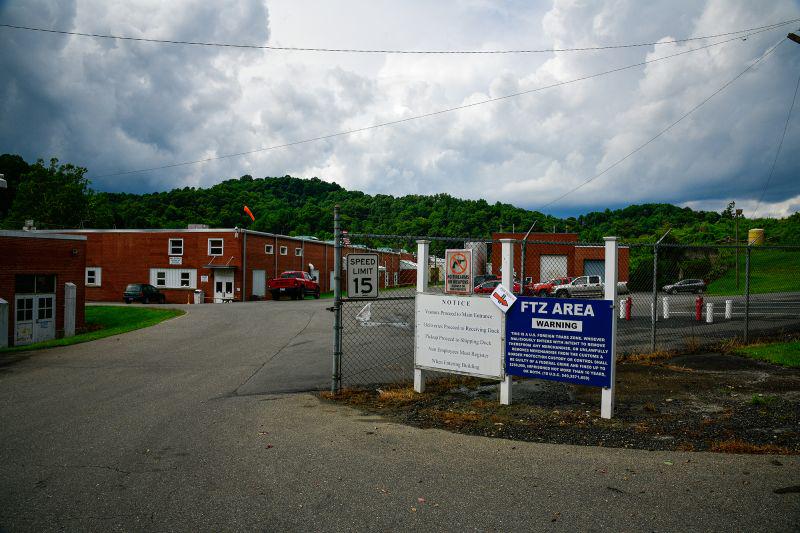
Companies are increasingly turning to a Depression-era policy to avoid President Donald Trump’s tariffs, importing goods into designated US zones where they don’t have to pay tariffs until they want to.
There are 374 foreign trade zones, or FTZs, across the United States, originally designed to help keep companies competitive during the Great Depression. Now, these zones exist in every state and Puerto Rico and allow businesses to import products or materials (inputs) to the United States and store them, duty-free. Importers only pay tariffs when they sell their products to US customers. And if they choose to export items out of the United States, they don’t pay any tariff at all.
Since Trump announced tariffs on nearly every single country in April, the interest in these foreign trade zones has quadrupled, according to Descartes, a logistics firm that helps companies set up and operate in FTZs.
Nearly $1 trillion worth of goods was imported into these zones in 2023, according to the Commerce Department, which approves new zones. That’s almost one-third of all goods imported into the United States that year, according to Customs and Border Protection data. The zones employ more than half a million people.
The US Commerce Department confirmed to CNN that the International Trade Association has seen an increased interest in foreign trade zones, but said it’s too early to tell if it will result in more companies operating in the zones.
Still, many companies are now stockpiling merchandise in these FTZs. It’s not a loophole, experts say, but a way for businesses to maintain cash flow at a time where many are feeling strapped.
Historically, when companies imported inputs — small parts made of copper, steel or aluminum — to the FTZ to manufacture other products, they would only have to pay the tariff rate on the finished product. But as detailed in Trump’s executive orders on reciprocal tariffs in April, companies operating in FTZs must now pay the tariff rate of the inputs, not the finished product, which is often higher.
Even if the material or part is used to make a product while in the foreign trade zone, the final product will still be tariffed at the rate of the input when it leaves the zone, the Commerce Department told CNN.
Posted by John3262005