New Caledonian loyalists and independentists have signed a “historical” accord in the last hours of a tense ten-day negotiation round on the institutional future of the Pacific archipelago, currently a sui generis (of its own kind) entity of Overseas France.
Dubbed the “Bourgival Accords”, the document approves the creation of a State of New Caledonia, distinct from the State of France but associated within the framework of the Constitution of the French Republic, and establishes a timeline for New Caledonia’s accession to statehood: a Constitutional amendment in the last quarter of 2025, a referendum in New Caledonia to adopt the project in February 2026, and provincial elections in May-June 2026.
According to the document, the new State of New Caledonia will be able to adopt new national signs (name, flag, anthem, etc.), a citizenship code, a “values chart” mixing “Republican values”, “Oceanian values” and “Kanak values”, and creates a New Caledonian nationality, which will be added to the French nationality, making New Caledonians automatic dual citizens.
The document establishes the possibility of a gradual transfer of powers from the French Republic to the State of New Caledonia through its legislative body, including on monetary policy or defense, and commits to a plan of economic refoundation comprising a better management of nickel – the archipelago’s main resources, where a quarter of the world’s reserves are located.
The State of New Caledonia will be able to conduct its own foreign policy, paving the way for international recognition and bilateral relations, but also “commits to conducting its foreign policy within the respect of its international obligations and France’s interests”.
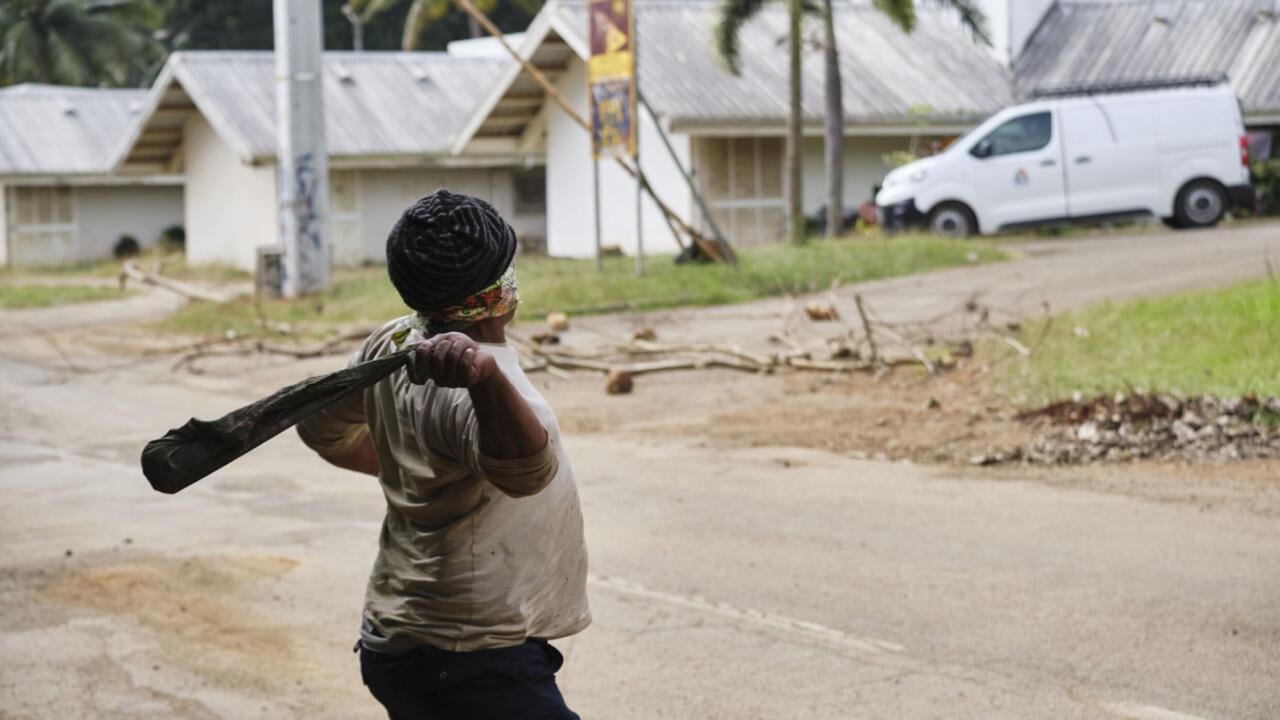
The Accords were positively received by the French government and New Caledonian parties, who hailed it as a “historical step”, one year after the worst violence since the 1980s, in which a controversial electoral reform led to an insurrection between Kanak protesters, Caldoche militias, and the French military, causing 14 deaths, the exodus of thousands, and €2 billion in economic damages.
agentmilton69 on
Could always end up being a shitshow but this is a positive, right?
Anyone more versed in the history of decolonisation willing to pitch in?

2 Comments
!ping FRANCE&OCEANIA
New Caledonian loyalists and independentists have signed a “historical” accord in the last hours of a tense ten-day negotiation round on the institutional future of the Pacific archipelago, currently a sui generis (of its own kind) entity of Overseas France.
Dubbed the “Bourgival Accords”, the document approves the creation of a State of New Caledonia, distinct from the State of France but associated within the framework of the Constitution of the French Republic, and establishes a timeline for New Caledonia’s accession to statehood: a Constitutional amendment in the last quarter of 2025, a referendum in New Caledonia to adopt the project in February 2026, and provincial elections in May-June 2026.
According to the document, the new State of New Caledonia will be able to adopt new national signs (name, flag, anthem, etc.), a citizenship code, a “values chart” mixing “Republican values”, “Oceanian values” and “Kanak values”, and creates a New Caledonian nationality, which will be added to the French nationality, making New Caledonians automatic dual citizens.
The document establishes the possibility of a gradual transfer of powers from the French Republic to the State of New Caledonia through its legislative body, including on monetary policy or defense, and commits to a plan of economic refoundation comprising a better management of nickel – the archipelago’s main resources, where a quarter of the world’s reserves are located.
The State of New Caledonia will be able to conduct its own foreign policy, paving the way for international recognition and bilateral relations, but also “commits to conducting its foreign policy within the respect of its international obligations and France’s interests”.
The Accords were positively received by the French government and New Caledonian parties, who hailed it as a “historical step”, one year after the worst violence since the 1980s, in which a controversial electoral reform led to an insurrection between Kanak protesters, Caldoche militias, and the French military, causing 14 deaths, the exodus of thousands, and €2 billion in economic damages.
Could always end up being a shitshow but this is a positive, right?
Anyone more versed in the history of decolonisation willing to pitch in?