I remember giving speeches about him back in high school debate. That was 16 years ago
RaidBrimnes on
!ping AFRICA&DEMOCRACY
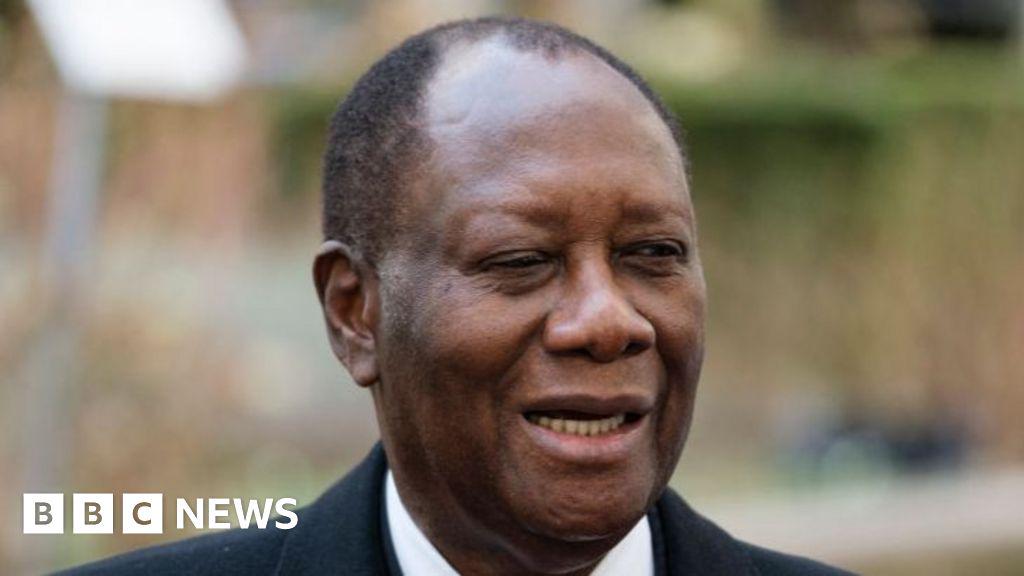
In an expected announcement, Cote d’Ivoire’s President Alassane Ouattara, 83, confirmed today that he would run for a fourth term in October’s presidential election, as tensions rise in the country over the ban of several prominent prospective presidential candidates, such as former Presidents and PM Laurent Gbagbo and Charles Blé Goudé, and former Crédit Suisse CEO Tidjane Thiam.
Alassane Ouattara was the last Prime Minister to serve under independence leader “Papa” Félix Houphouët-Boigny between 1990 and 1993. Following Houphouët-Boigny’s death in 1993, Ouattara lost the power struggle for his succession to Henri Konan Bédé, and was subsequently barred from office under a rule inspired by “Ivoirité”, a xenophobic ideology that arose in Cote d’Ivoire during the 1980s and precluded Ouattara, of Burkinabé descent, from running for office.
Between the late 1980s and the early 2010s, Cote d’Ivoire, West Africa’s wealthiest and most prosperous country, plunged into deep economic and political crisis, experiencing a coup d’état and two deadly civil wars – turmoil was further fueled by ethnic and religious tensions between the Ivoirian people.
Alassane Ouattara won the 2010 presidential election against incumbent President Laurent Gbagbo, who subsequently refused to concede and ignited the Second Ivorian Civil War, which killed 3,000 and concluded when a joint UN-French-Ukrainian-rebel operation captured Gbagbo from his Abidjan compound in April 2011 and delivered him to the ICC to stand trial for crimes against humanity, from which he was acquitted in 2019.
Under Alassane Ouattara’s presidency, Côte d’Ivoire stabilized after nearly three decades of political and economic turmoil, and reconnected with a strong, sustained economic growth of 7%, becoming West Africa’s second-wealthiest country after Cabo Verde, thanks to its export-based cocoa and gold economy, lax labor laws, strong ties to Western countries, and sustained immigration from neighboring countries. Under Ouattara’s rule, Côte d’Ivoire also sharply improved in anti-corruption rankings, from one of the most corrupt countries in the world to the 69th spot on the CPI rankings.
Ouattara won re-election in 2015, then reneged on his promise not to run for a third term in 2020 after the suddent death of his designated successor, and won amid an opposition boycott.
Ouattara’s announcement comes as tensions are on the rise in Cote d’Ivoire, rocked by protests over wealth inequality, authoritarianism and the lack of political perspectives for the country’s massive young population. Cote d’Ivoire’s elections will also stand in a tense regional context: attempted jihadi incursions from their northern neighbor of Burkina Faso have been reported in recent months, and the country was recently targeted by a vast [online disinformation campaign originating from the Alliance of Sahel States](https://www.bbc.com/news/articles/c20nxne1680o) alleging that a coup was underway in Cote d’Ivoire.

3 Comments
I remember giving speeches about him back in high school debate. That was 16 years ago
!ping AFRICA&DEMOCRACY
In an expected announcement, Cote d’Ivoire’s President Alassane Ouattara, 83, confirmed today that he would run for a fourth term in October’s presidential election, as tensions rise in the country over the ban of several prominent prospective presidential candidates, such as former Presidents and PM Laurent Gbagbo and Charles Blé Goudé, and former Crédit Suisse CEO Tidjane Thiam.
Alassane Ouattara was the last Prime Minister to serve under independence leader “Papa” Félix Houphouët-Boigny between 1990 and 1993. Following Houphouët-Boigny’s death in 1993, Ouattara lost the power struggle for his succession to Henri Konan Bédé, and was subsequently barred from office under a rule inspired by “Ivoirité”, a xenophobic ideology that arose in Cote d’Ivoire during the 1980s and precluded Ouattara, of Burkinabé descent, from running for office.
Between the late 1980s and the early 2010s, Cote d’Ivoire, West Africa’s wealthiest and most prosperous country, plunged into deep economic and political crisis, experiencing a coup d’état and two deadly civil wars – turmoil was further fueled by ethnic and religious tensions between the Ivoirian people.
Alassane Ouattara won the 2010 presidential election against incumbent President Laurent Gbagbo, who subsequently refused to concede and ignited the Second Ivorian Civil War, which killed 3,000 and concluded when a joint UN-French-Ukrainian-rebel operation captured Gbagbo from his Abidjan compound in April 2011 and delivered him to the ICC to stand trial for crimes against humanity, from which he was acquitted in 2019.
Under Alassane Ouattara’s presidency, Côte d’Ivoire stabilized after nearly three decades of political and economic turmoil, and reconnected with a strong, sustained economic growth of 7%, becoming West Africa’s second-wealthiest country after Cabo Verde, thanks to its export-based cocoa and gold economy, lax labor laws, strong ties to Western countries, and sustained immigration from neighboring countries. Under Ouattara’s rule, Côte d’Ivoire also sharply improved in anti-corruption rankings, from one of the most corrupt countries in the world to the 69th spot on the CPI rankings.
Ouattara won re-election in 2015, then reneged on his promise not to run for a third term in 2020 after the suddent death of his designated successor, and won amid an opposition boycott.
Ouattara’s announcement comes as tensions are on the rise in Cote d’Ivoire, rocked by protests over wealth inequality, authoritarianism and the lack of political perspectives for the country’s massive young population. Cote d’Ivoire’s elections will also stand in a tense regional context: attempted jihadi incursions from their northern neighbor of Burkina Faso have been reported in recent months, and the country was recently targeted by a vast [online disinformation campaign originating from the Alliance of Sahel States](https://www.bbc.com/news/articles/c20nxne1680o) alleging that a coup was underway in Cote d’Ivoire.
Joe Biden WISHES