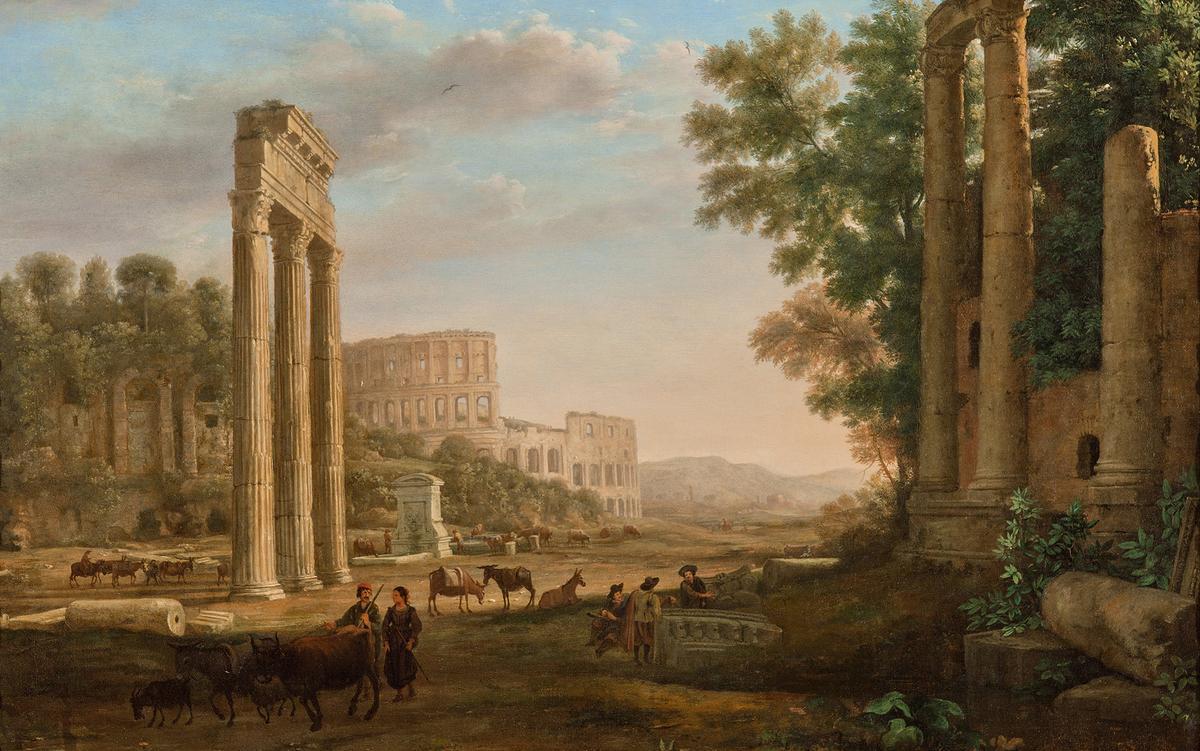
The rewards of ruin: Societal downfalls loom large in history and popular culture but, for the 99 per cent, collapse often had its upsides
Posted by reflibman

The rewards of ruin: Societal downfalls loom large in history and popular culture but, for the 99 per cent, collapse often had its upsides
Posted by reflibman
2 Comments
Article looks at historical evidence and makes the case that the information, literature, and other cultural relics cited by academics were created by or on behalf of the 1%. Cultural collapse was much friendlier to those individuals who over through the 1%, for obvious reasons, than indicated in those relics.
TLDR – because the robot can read it.
__________________________________
Q: Summarize “https://aeon.co/essays/the-great-myth-of-empire-collapse”.
A: “The Great Myth of Empire Collapse” argues that the widely held view of empire collapse as an apocalyptic disaster for society is deeply misleading. While elite-written histories and lamentations portray collapses as catastrophic, archaeological and osteoarchaeological evidence suggests that for most ordinary people, imperial collapse may even have improved health and welfare.[2][4]
Key insights:
– **Evidence from human remains** shows that after major collapses—such as the end of the Mycenaean, Egyptian, and Roman empires—ordinary people’s physical health (measured by height and bone quality) often improved. Previously, rulers and elites were taller and healthier than commoners, but after collapse, average heights increased and dental and bone diseases decreased.
– **Tax and labor burdens decreased.** Without imperial tax collectors and forced crop production, people often had more diverse, protein-rich diets and less famine. Migration away from infected cities and towards the countryside helped reduce infectious disease.
– **Wealth inequality shrank.** Most premodern states were highly unequal, and collapse frequently led to a redistribution of resources, improving conditions for many.
– **Violence during collapse is exaggerated.** While elite histories portray chaos, most violence is concentrated among would-be rulers, military men, and mercenaries vying for power; most people respond to crisis with altruism and cooperation.
– **Population declines are often due to migration.** Archaeological gaps likely reflect people moving elsewhere rather than mass death, challenging tales of catastrophic mortality.
– **Post-collapse outcomes vary.** In modern cases like Somalia (1991), collapse led to improved welfare indicators, but for highly supportive modern states, collapse could be much more harmful.
The essay critiques the “1 per cent view” of history, shaped by elite propagandists and scholars who mourn lost empires and golden ages, leading to misleading periodizations like “dark ages.” It calls for a “99 per cent view” centered on the real experiences of ordinary people, showing that collapse is often not nearly as catastrophic as elite narratives claim, and sometimes even democratizing and beneficial.[4][2]
Citations omitted.