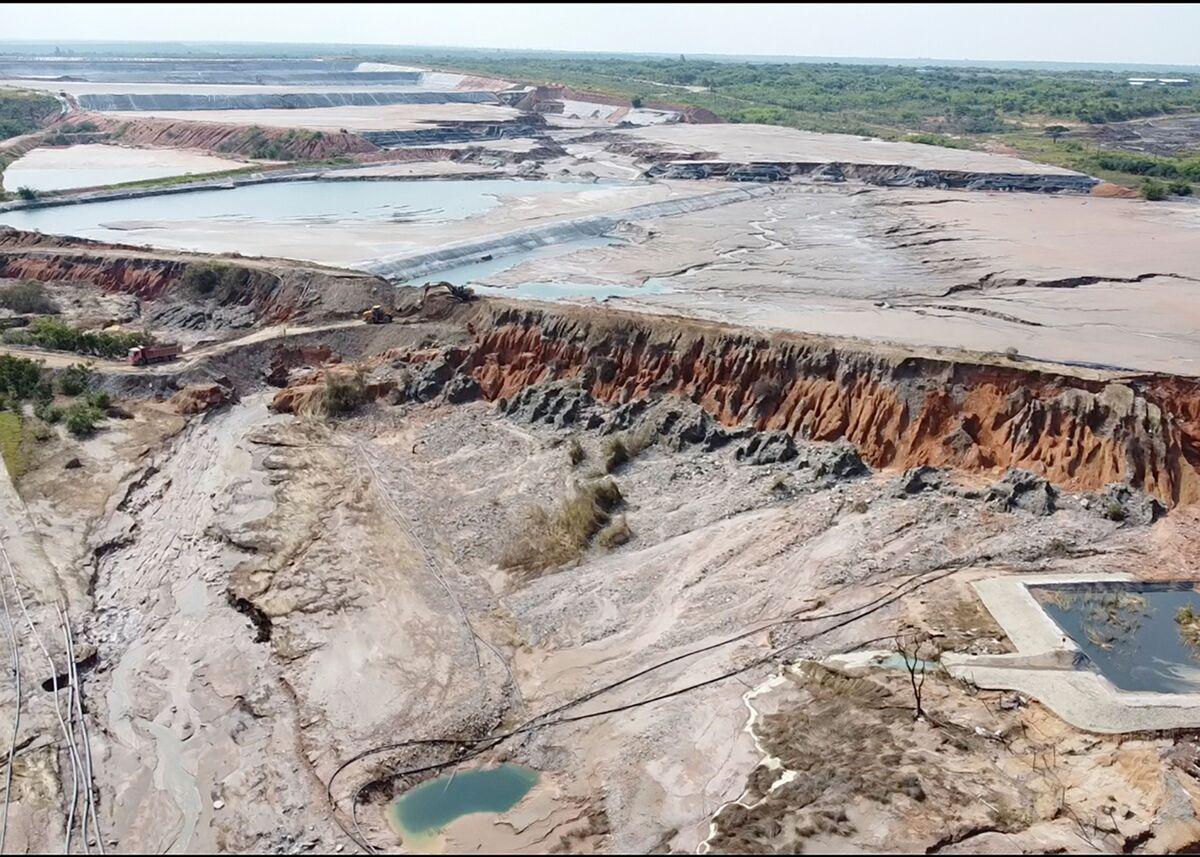
> An independent evaluation found that at least 1.5 million tons of toxic sludge may have been released into the environment due to the partial collapse of a waste dam at a Chinese state-owned copper mine in Zambia.
>Drizit Zambia Ltd. described the event as a “large-scale environmental catastrophe” that threatens drinking water, fishing stocks, and farmland in the area, according to a June 3 letter.
> That would fill more than 400 Olympic-sized pools and rank the incident among the mining industry’s worst catastrophes globally.
> “Without immediate intervention, the consequences for future generations of Zambians will be severe and long-lasting,” Drizit said in the letter.
> **Preliminary assessments showed the river measured a pH as low as 1, Collins Nzovu, Zambia’s water and sanitation minister, told lawmakers Feb. 21. Fluid with that level of acidity is strong enough to dissolve human bones.**
>Water from the Mwambashi flows into the Kafue River, which passes through one of Africa’s biggest national parks. Zambia’s capital, Lusaka, relies on the river for much of its water supply.
> In the immediate aftermath of the incident, the government began dumping hundreds of tons of lime into the rivers to neutralize the acid, which had wiped out aquatic life for miles, along with crops growing alongside them.
> While the acidity may have returned to normal, heavy metals pose a persistent threat, especially to the 800 individuals still living near the fallout zone, Drizit’s letter said.

1 Comment
> An independent evaluation found that at least 1.5 million tons of toxic sludge may have been released into the environment due to the partial collapse of a waste dam at a Chinese state-owned copper mine in Zambia.
>Drizit Zambia Ltd. described the event as a “large-scale environmental catastrophe” that threatens drinking water, fishing stocks, and farmland in the area, according to a June 3 letter.
> That would fill more than 400 Olympic-sized pools and rank the incident among the mining industry’s worst catastrophes globally.
> “Without immediate intervention, the consequences for future generations of Zambians will be severe and long-lasting,” Drizit said in the letter.
> **Preliminary assessments showed the river measured a pH as low as 1, Collins Nzovu, Zambia’s water and sanitation minister, told lawmakers Feb. 21. Fluid with that level of acidity is strong enough to dissolve human bones.**
>Water from the Mwambashi flows into the Kafue River, which passes through one of Africa’s biggest national parks. Zambia’s capital, Lusaka, relies on the river for much of its water supply.
> In the immediate aftermath of the incident, the government began dumping hundreds of tons of lime into the rivers to neutralize the acid, which had wiped out aquatic life for miles, along with crops growing alongside them.
> While the acidity may have returned to normal, heavy metals pose a persistent threat, especially to the 800 individuals still living near the fallout zone, Drizit’s letter said.