
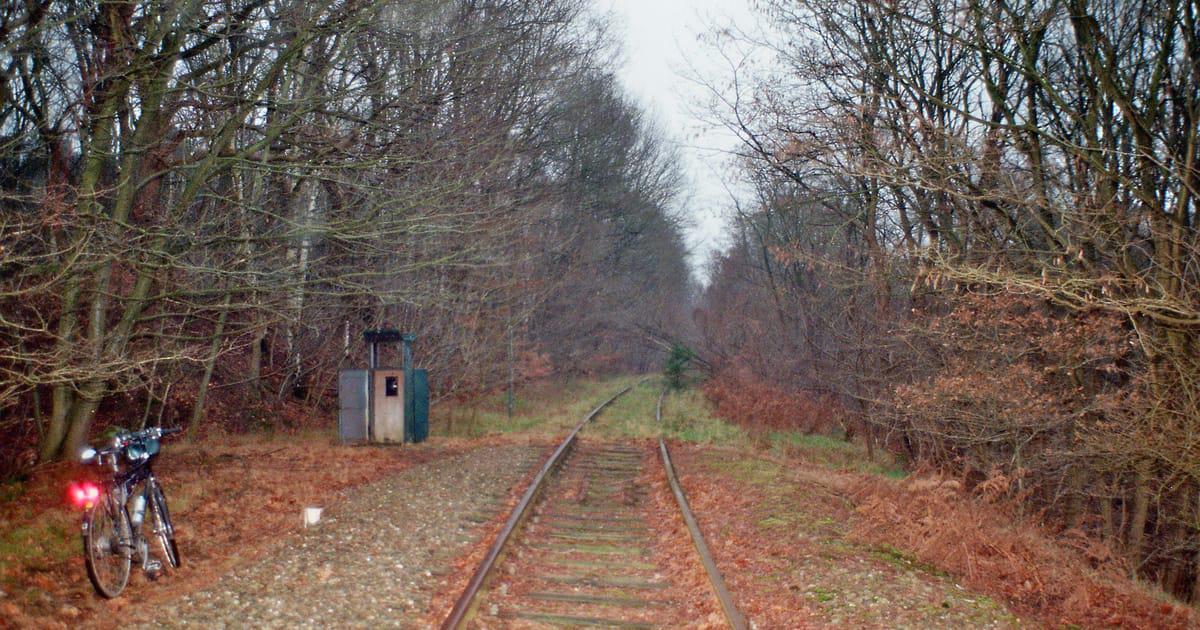
Belgium, the Netherlands and Germany are in talks to revive the Iron Rhine railway, a line dating back to the 19th century, aiming to boost military mobility in response to the growing Russian threat.
“The military angle has brought the Iron Rhine back into the spotlight,” said Herman Welter, a railway expert at the Gazet van Antwerpen newspaper, adding that this aspect might now play a significant role in the decades-long discussions about reactivating the railway.
Iron Rhine, which once connected the Port of Antwerp in Belgium to Germany’s industrial Ruhr region, was pivotal for Allied forces during and after World War II. Largely unused for decades, parts of it have been abandoned since 1991.
But now, as EU military mobility needs increase and other rail lines face capacity issues, the pressure is mounting for action. "It’s getting on [the countries'] nerves," said a mobility consultant close to the talks who spoke on condition of anonymity, confirming that discussions are accelerating.
“This project is political,” said Thomas De Spiegelaere, spokesperson for the Belgian transport ministry. “Prime Minister [Bart] De Wever has taken control of the project himself."
The Dutch, in particular, are less than enthusiastic. Their section is short while the parallel Betuwe line already links Rotterdam to Germany. The reluctance also has commercial roots: the Port of Antwerp has long championed the Iron Rhine, viewing it as a potential challenge to the Port of Rotterdam’s dominance in the region.
In Belgium, the current hope is that the military angle will accelerate the project’s reactivation. But as Welter pointed out, “The Netherlands holds the key,” adding that “if it costs them little or nothing, they'll cooperate.”
Posted by John3262005
1 Comment
An unified NATO railway troops would be pretty neat.