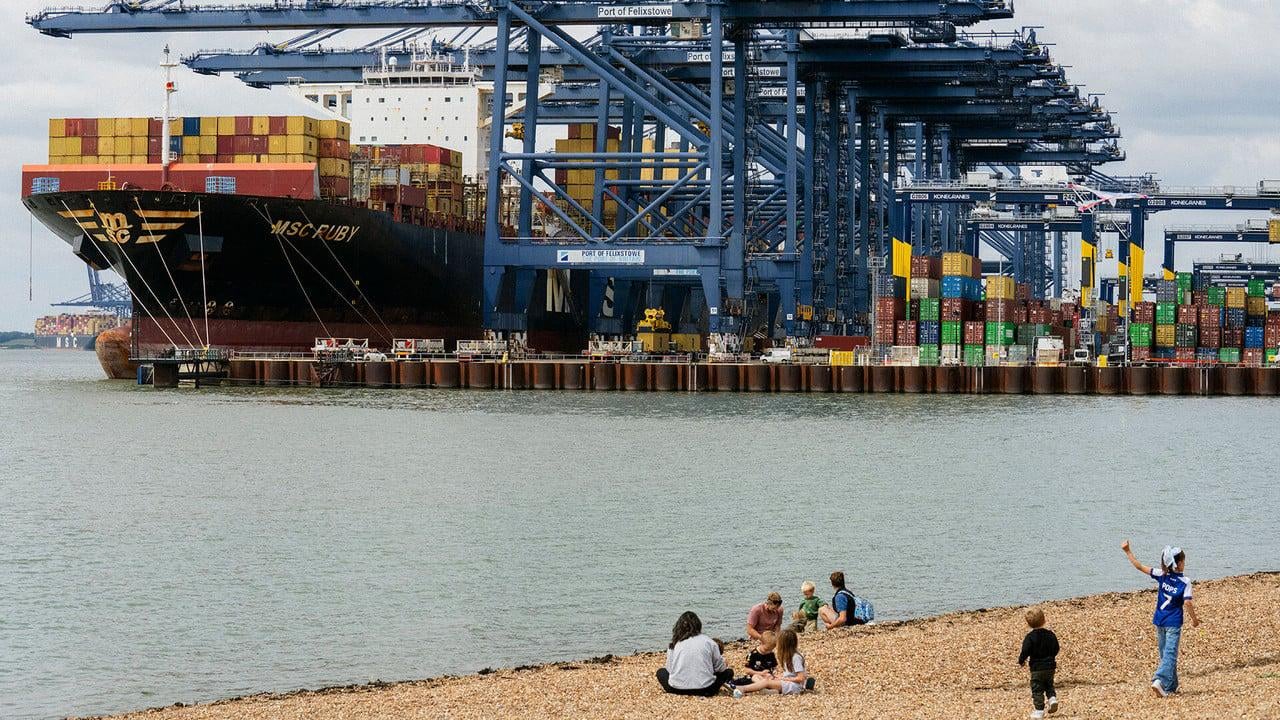
> In some ways the success of Grand Theft Global Inc is a story of globalisation. It uses the infrastructure of global commerce, designed for frictionless trade. Identifying stolen goods amid so many containers is like finding “needles in haystacks”, says Tim Morris of the Association of British Ports. Globalisation created the supply chain that allows each iPhone—assembled from nearly 3,000 components—to reach the hands of a consumer. The same forces inverted see that phone yanked out of it, re-exported and broken apart again.
> Yet Grand Theft Global Inc can also thrive in a world that is increasingly fragmented. Tariffs make stolen goods only more competitive. Sanctions, like those on Russia, boost demand for criminal activity. When countries are less co-operative, it is easier to ship goods to places from where they are unlikely to be recovered.

1 Comment
The market, uh, finds a way.
> In some ways the success of Grand Theft Global Inc is a story of globalisation. It uses the infrastructure of global commerce, designed for frictionless trade. Identifying stolen goods amid so many containers is like finding “needles in haystacks”, says Tim Morris of the Association of British Ports. Globalisation created the supply chain that allows each iPhone—assembled from nearly 3,000 components—to reach the hands of a consumer. The same forces inverted see that phone yanked out of it, re-exported and broken apart again.
> Yet Grand Theft Global Inc can also thrive in a world that is increasingly fragmented. Tariffs make stolen goods only more competitive. Sanctions, like those on Russia, boost demand for criminal activity. When countries are less co-operative, it is easier to ship goods to places from where they are unlikely to be recovered.