>It didn’t take long after the release of Ezra Klein and Derek Thompson’s book Abundance for the ensuing discourse to polarize itself into two camps. In the first camp were writers like Jonathan Chait, who wrote in The Atlantic that abundance is an “attack on the constellation of activist organizations…that control progressive politics and have significant influence over the Democratic Party.” In the second are people like Aaron Regunberg, who warned in The Nation that abundance “is being explicitly used to undermine the kind of populist rebrand” that the Democrats need. While Regunberg and Chait agree on little, they agree on one thing: Abundance and progressive populism are fundamentally at odds.
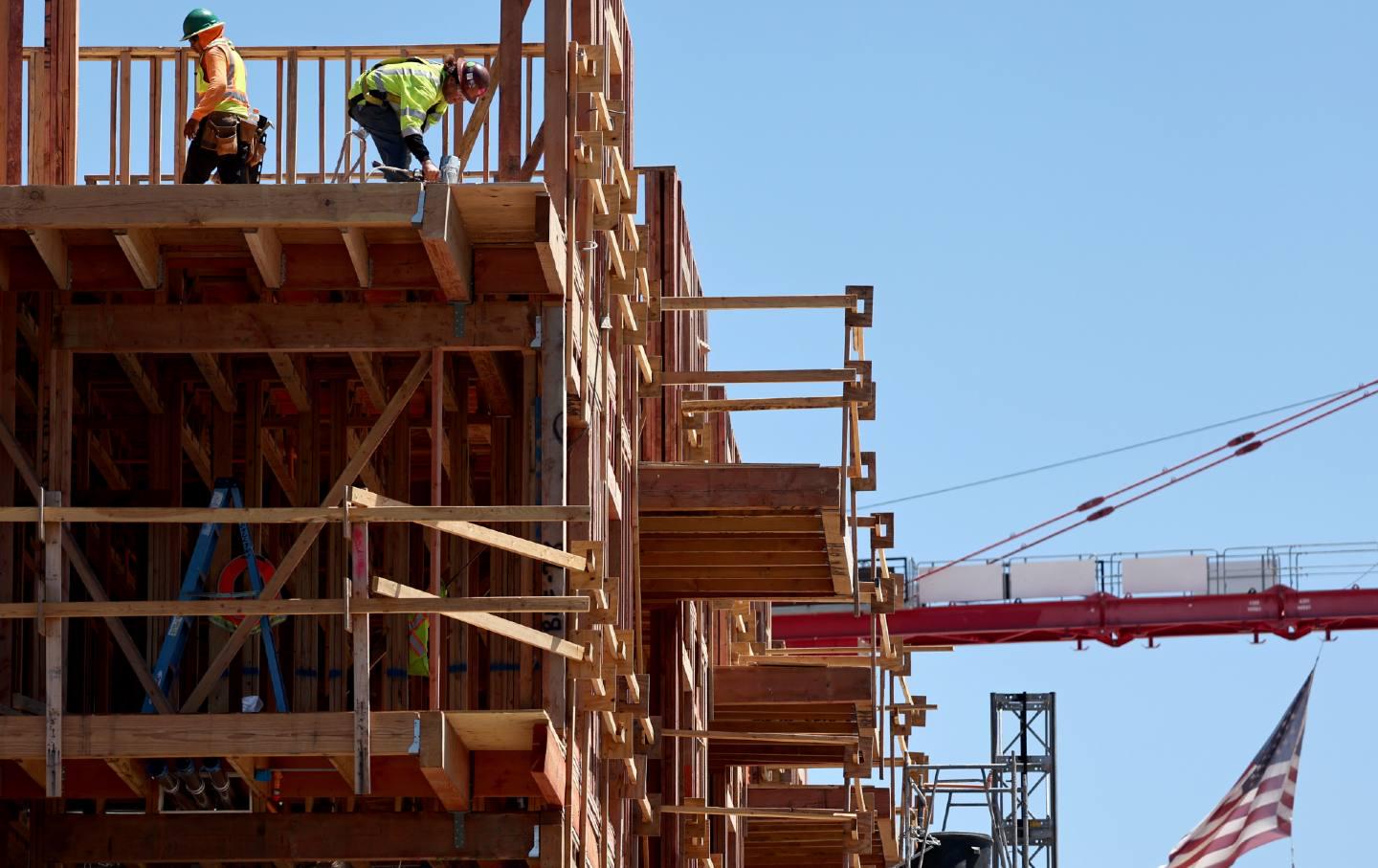
>But while the abundance-vs.-economic-populism debate rages on social media and in Washington, DC, something very different is happening on the ground. In cities across the United States, progressives are the ones leading the way on abundance policy. How do we know? Because as progressive elected officials from four cities around the country, we are among those at the forefront of putting the abundance agenda into action. All four of us are both enthusiastic abundists and committed economic populists.
>The abundance movement envisions the government enabling society’s greatest needs to be met with ample, easily available resources, while efficiently and effectively delivering on its promises. Through that lens, abundance and economic populism are ingredients that work better together. That’s because making essentials like healthcare, affordable housing, energy, and transportation easier to build—and thus cheaper—makes it even easier to pay for them through progressive taxation and allows us to serve our communities more equitably. Abundance makes economic populism more effective.

1 Comment
>It didn’t take long after the release of Ezra Klein and Derek Thompson’s book Abundance for the ensuing discourse to polarize itself into two camps. In the first camp were writers like Jonathan Chait, who wrote in The Atlantic that abundance is an “attack on the constellation of activist organizations…that control progressive politics and have significant influence over the Democratic Party.” In the second are people like Aaron Regunberg, who warned in The Nation that abundance “is being explicitly used to undermine the kind of populist rebrand” that the Democrats need. While Regunberg and Chait agree on little, they agree on one thing: Abundance and progressive populism are fundamentally at odds.
>But while the abundance-vs.-economic-populism debate rages on social media and in Washington, DC, something very different is happening on the ground. In cities across the United States, progressives are the ones leading the way on abundance policy. How do we know? Because as progressive elected officials from four cities around the country, we are among those at the forefront of putting the abundance agenda into action. All four of us are both enthusiastic abundists and committed economic populists.
>The abundance movement envisions the government enabling society’s greatest needs to be met with ample, easily available resources, while efficiently and effectively delivering on its promises. Through that lens, abundance and economic populism are ingredients that work better together. That’s because making essentials like healthcare, affordable housing, energy, and transportation easier to build—and thus cheaper—makes it even easier to pay for them through progressive taxation and allows us to serve our communities more equitably. Abundance makes economic populism more effective.