>The drone attacks that began on August 2, 2025, have been different. Ukraine clearly has more drones now, and can send out attack swarms numerous enough to overwhelm Russia’s air defenses. Drones also have better navigational capabilities. Ukraine’s tactic this year has been to launch massive attacks on refineries and inflict maximum damage—up to and including shutdowns. Ukraine has also carried out rolling attacks, with some damaged refineries hit again, hindering repair work.
>By the middle of August, Kyiv had succeeded in damaging Russia’s Ukhta, Ryazan, Saratov, and Volgograd refineries, as well as the three refineries in the Samara group (Syzran, Samara and Novokuibyshev). Refineries in the Rostov and Krasnodar regions have also been regularly attacked.
>[…]
>However, the attacks on the refineries located in an arc from Ryazan to Volgograd could have a serious impact on the domestic market. Tens of millions of Russians live to the west of this arc, where there are also large areas of agricultural land, and many popular vacation destinations.
>Another fundamental difference from the 2024 drone attacks is that back then, the campaign peaked in May. This year it began in August: a time when the oil market’s systemic problems traditionally come to the fore. This is when demand rises for gasoline: it’s harvest season, boosting demand in the agricultural sector, and people are using their cars for vacations. At the same time, supply is reduced because of annual maintenance work at refineries.
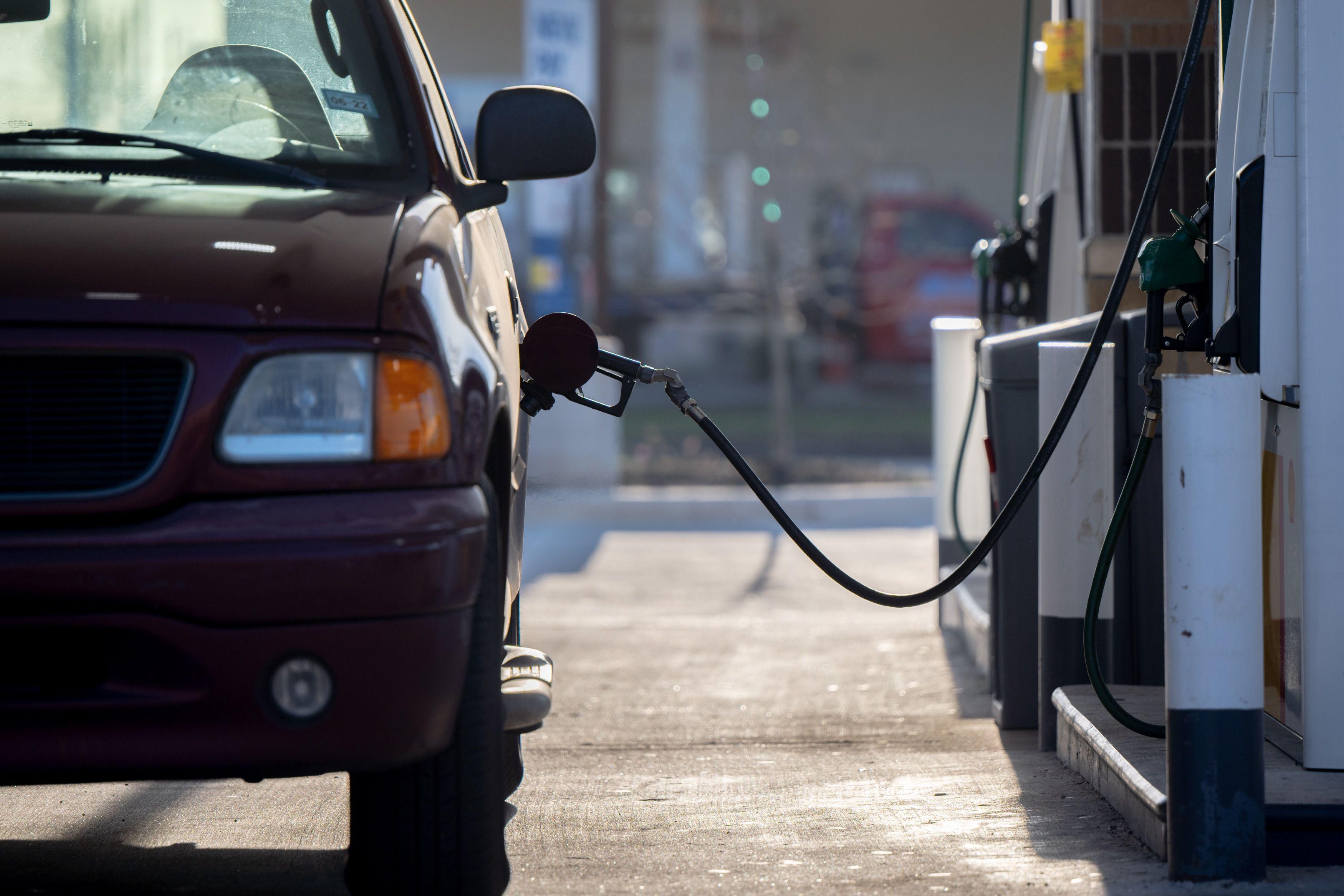
>The first sign of an imbalance between supply and demand is rising prices. Usually, this is the mechanism whereby balance is restored to the market—but the Russian authorities long ago established formal and informal price controls for the retail fuel market in an attempt to limit gasoline price rises and even out seasonal spikes. This policy reduces the effectiveness of market signals and discourages producers from increasing supplies or stockpiling. Of course, under normal circumstances the sector’s excess capacity should mean that refineries can ensure the market remains well-supplied. But there are limits.
>[…]
>Retail prices have consistently increased every week this year by between 15 kopecks ($0.0019) and 25 kopecks a liter. The gradual nature of this increase is the result of the government’s coercive efforts where oil companies are concerned, and an informal ban on sharp rises. In the week beginning August 18, the wholesale price (53.5 rubles for a liter of A-92 gasoline) approached the retail price (59.5 rubles per liter). For comparison, in mid-July, the wholesale price was 47.72 rubles per liter, and the retail price was 58.5 rubles per liter.
>Right now, the situation looks challenging but manageable. Most of the refineries that have been hit by Ukrainian drones continue to produce gasoline, albeit in reduced quantities. It has also been possible to redirect gasoline from unaffected regions, and some of the deficit has been eased by tapping state reserves.
>It’s important to remember that a lot of Russian vehicles and military equipment run on diesel, not gasoline, and Russia has a diesel surplus. Accordingly, the sort of full-scale fuel crisis that could end up impairing the functioning of the economy—or the army—is still a long way off.
>On top of this, annual gasoline production in Russia exceeds domestic demand by up to 20 percent, while diesel production is more than double what is needed. Even if the damaged refineries (which account for about 20 percent of primary refining capacity) stopped functioning entirely, the resulting deficit would be small—and could be offset by imports (from Belarus, for example). Ukrainian attacks on the Unecha and Nikolskoye pumping stations on the Druzhba oil pipeline, which supplies Belarus, among other countries, could theoretically lead to the stoppage of Belarusian refineries. But following an August 18 attack on the pipeline, repairs were swift, and Druzhba was fully functional again within two days.
>That said, larger shortages could push the government to more extreme steps. The simplest option would be for officials to abolish all price controls, allowing the market to balance supply and demand—including by redirecting fuel to deficit-stricken regions. While effective, this would cause short-term suffering for ordinary Russians, particularly farmers, and it goes against the government’s increasingly dirigiste instincts. But in an emergency, it’s possible an exception could be made (just as the central bank is allowed to pursue a tight monetary policy). Other options for officials would be to temporarily relax standards on motor fuel and allow the country’s mini-refineries to sell their off-grade products as motor fuel. If the worst comes to the worst, a crisis measure would be gasoline rationing.
>For now, however, none of this appears imminent. There is still a long way to go before the transport, agriculture, and industrial sectors—or, most importantly, the army—experience any significant fuel shortages.
!ping Ukraine&Foreign-policy
algebroni on
Inshallah no.
JaceFlores on
Something worth noting is Ukraine is having success striking not just the tanks but the critical refining equipment, likely using missiles currently in production like Flamingo and Long-Range Neptune. Not only does this knock out large portions of refining capability (or the entire facility if all processor equipment is hit) but it takes time to replace these complex pieces of equipment.
As Ukraine expands production of these missiles (Ukraine wants to produce 210 Flamingos a month by October, they’re currently at ~50 a month to give a sense of how much they want to scale up production), their ability to cause such heavy damage will grow.
Given these factors, I’d still say Russia will be able to weather this crisis fairly well through the rest of summer and probably through the rest of the year.
But, as mentioned previously, as Ukraine scales up production of drones and especially missiles, their ability to inflict consistent and lasting damage will scale up as well. I think the Ukrainians could cause *serious* headaches in 2026, possibly as early as the winter and certainly in the summer

3 Comments
>Ultimately, the 2024 drone attacks caused inconvenience and expense for the Russian oil industry, but did not present a [major problem](https://carnegieendowment.org/russia-eurasia/politika/2024/06/russia-oil-refining-attacks?lang=en¢er=russia-eurasia).
>The drone attacks that began on August 2, 2025, have been different. Ukraine clearly has more drones now, and can send out attack swarms numerous enough to overwhelm Russia’s air defenses. Drones also have better navigational capabilities. Ukraine’s tactic this year has been to launch massive attacks on refineries and inflict maximum damage—up to and including shutdowns. Ukraine has also carried out rolling attacks, with some damaged refineries hit again, hindering repair work.
>By the middle of August, Kyiv had succeeded in damaging Russia’s Ukhta, Ryazan, Saratov, and Volgograd refineries, as well as the three refineries in the Samara group (Syzran, Samara and Novokuibyshev). Refineries in the Rostov and Krasnodar regions have also been regularly attacked.
>[…]
>However, the attacks on the refineries located in an arc from Ryazan to Volgograd could have a serious impact on the domestic market. Tens of millions of Russians live to the west of this arc, where there are also large areas of agricultural land, and many popular vacation destinations.
>Another fundamental difference from the 2024 drone attacks is that back then, the campaign peaked in May. This year it began in August: a time when the oil market’s systemic problems traditionally come to the fore. This is when demand rises for gasoline: it’s harvest season, boosting demand in the agricultural sector, and people are using their cars for vacations. At the same time, supply is reduced because of annual maintenance work at refineries.
>The first sign of an imbalance between supply and demand is rising prices. Usually, this is the mechanism whereby balance is restored to the market—but the Russian authorities long ago established formal and informal price controls for the retail fuel market in an attempt to limit gasoline price rises and even out seasonal spikes. This policy reduces the effectiveness of market signals and discourages producers from increasing supplies or stockpiling. Of course, under normal circumstances the sector’s excess capacity should mean that refineries can ensure the market remains well-supplied. But there are limits.
>[…]
>Retail prices have consistently increased every week this year by between 15 kopecks ($0.0019) and 25 kopecks a liter. The gradual nature of this increase is the result of the government’s coercive efforts where oil companies are concerned, and an informal ban on sharp rises. In the week beginning August 18, the wholesale price (53.5 rubles for a liter of A-92 gasoline) approached the retail price (59.5 rubles per liter). For comparison, in mid-July, the wholesale price was 47.72 rubles per liter, and the retail price was 58.5 rubles per liter.
>Right now, the situation looks challenging but manageable. Most of the refineries that have been hit by Ukrainian drones continue to produce gasoline, albeit in reduced quantities. It has also been possible to redirect gasoline from unaffected regions, and some of the deficit has been eased by tapping state reserves.
>It’s important to remember that a lot of Russian vehicles and military equipment run on diesel, not gasoline, and Russia has a diesel surplus. Accordingly, the sort of full-scale fuel crisis that could end up impairing the functioning of the economy—or the army—is still a long way off.
>On top of this, annual gasoline production in Russia exceeds domestic demand by up to 20 percent, while diesel production is more than double what is needed. Even if the damaged refineries (which account for about 20 percent of primary refining capacity) stopped functioning entirely, the resulting deficit would be small—and could be offset by imports (from Belarus, for example). Ukrainian attacks on the Unecha and Nikolskoye pumping stations on the Druzhba oil pipeline, which supplies Belarus, among other countries, could theoretically lead to the stoppage of Belarusian refineries. But following an August 18 attack on the pipeline, repairs were swift, and Druzhba was fully functional again within two days.
>That said, larger shortages could push the government to more extreme steps. The simplest option would be for officials to abolish all price controls, allowing the market to balance supply and demand—including by redirecting fuel to deficit-stricken regions. While effective, this would cause short-term suffering for ordinary Russians, particularly farmers, and it goes against the government’s increasingly dirigiste instincts. But in an emergency, it’s possible an exception could be made (just as the central bank is allowed to pursue a tight monetary policy). Other options for officials would be to temporarily relax standards on motor fuel and allow the country’s mini-refineries to sell their off-grade products as motor fuel. If the worst comes to the worst, a crisis measure would be gasoline rationing.
>For now, however, none of this appears imminent. There is still a long way to go before the transport, agriculture, and industrial sectors—or, most importantly, the army—experience any significant fuel shortages.
!ping Ukraine&Foreign-policy
Inshallah no.
Something worth noting is Ukraine is having success striking not just the tanks but the critical refining equipment, likely using missiles currently in production like Flamingo and Long-Range Neptune. Not only does this knock out large portions of refining capability (or the entire facility if all processor equipment is hit) but it takes time to replace these complex pieces of equipment.
As Ukraine expands production of these missiles (Ukraine wants to produce 210 Flamingos a month by October, they’re currently at ~50 a month to give a sense of how much they want to scale up production), their ability to cause such heavy damage will grow.
Given these factors, I’d still say Russia will be able to weather this crisis fairly well through the rest of summer and probably through the rest of the year.
But, as mentioned previously, as Ukraine scales up production of drones and especially missiles, their ability to inflict consistent and lasting damage will scale up as well. I think the Ukrainians could cause *serious* headaches in 2026, possibly as early as the winter and certainly in the summer