>Over the past decade, as much of the world has become more chaotic and succumbed to nationalism, protectionism, and illiberalism, Japan has been a force for maintaining the stability of the international order. Tokyo has shored up its rules-based economic partnerships; intensified security cooperation with like-minded countries, such as Australia, India, and the Philippines; and “de-risked” from China while maintaining its commitment to global trade. Japan has been able to play this stabilizing role because it has enjoyed internal social and political cohesion and benefited from strong leadership, most notably during Prime Minister Shinzo Abe’s second term, which lasted from 2012 to 2020.
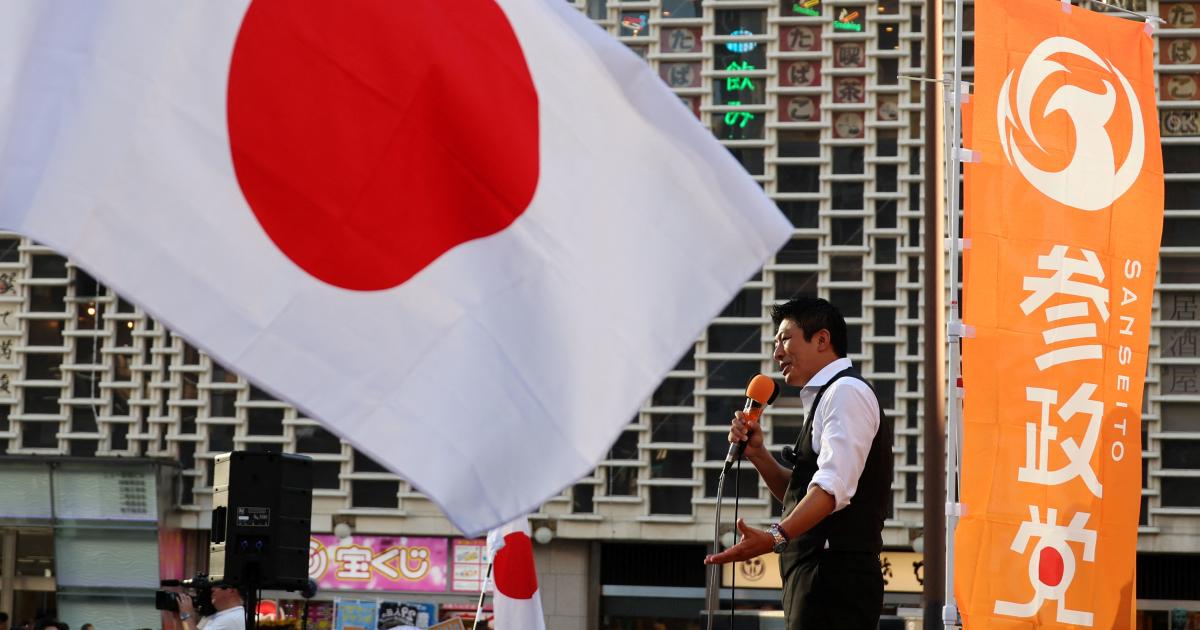
>Japan’s political center, however, seems to be weakening. The Liberal Democratic Party (LDP), which has governed Japan for nearly seven uninterrupted decades, suffered bruising losses in the most recent elections for both chambers of the national legislature—the Lower House last fall and the Upper House this summer—as did its coalition partner, Komeito. For the first time, Japan’s ruling coalition is clinging to minority positions in both chambers. And a populist far-right party, Sanseito, won 14 seats in the Upper House elections—up from one in 2022—on an anti-foreigner platform.
>The retreat of the political establishment and surging support for an antiglobalist party are symptoms of an even more pressing domestic problem in Japan: the failure of mainstream parties to generate strong leaders. Power is fragmented because the LDP is internally divided, its coalition partner is losing ground, and the opposition is too disjointed to mount an effective challenge. This lack of leadership is making it harder for Japan to respond to the tectonic geopolitical realignments it faces, none more pressing than the United States’ extractive approach to the global economy and its alliances.
>TROUBLE ADJUSTING
>Japan’s ruling parties are in a crisis because they’ve failed to adapt to long-term structural changes in the country. The LDP has struggled with declining populations in its key constituencies and the proliferation of independent voters. The party has also had a hard time eliminating corruption. The LDP, for example, suffered a major setback in 2023, when it was revealed that some of its factions—informal groups of parliamentarians under the wing of a senior party figure—failed to report revenue from fundraisers, instead kicking back the money to largely unmonitored slush funds. The LDP adopted some internal transparency and accountability measures to address public outrage, but these did not restore faith in the party. Crucially, the slush fund scandal led the LDP to dismantle its factional system, long considered the root of undue influence of money on politics but which for decades had structured intraparty competition over funds and appointments. Ultimately, the party failed to cleanse its image and gave up its primary means of sorting internal conflicts and maintaining party cohesion. Thus, the party lost public trust and found itself more divided.
>Komeito, the LDP’s coalition partner and the political arm of Soka Gakkai, a Buddhist religious organization, has also declined. Komeito hasn’t been able to win as many votes as it used to because Soka Gakkai’s membership has stagnated, its charismatic leader died, and as the scholar Levi McLaughlin points out, its younger cohorts have become less interested in political campaigning. In this summer’s Upper House election, Komeito won 5.2 million votes, almost one million fewer than it did in 2022.
>The confluence of new political pressures in post-pandemic Japan, namely inflation, a surge in immigration, and the rise of new forms of media, has shaken politics. After decades of deflation, the cost of living has steeply increased, becoming the number one issue for most voters, whose real wages are being eaten away by a depreciating yen and a 3.7 percent inflation rate. Inflation has also brought out zero-sum thinking. Consumers and producers now view their interests as more directly in conflict. The government’s initiative to lower rice prices to court support from urban voters on the eve of the 2025 Upper House election, for example, caused farmers to feel betrayed. As a result, the LDP lost heavily in rice-producing regions.
admiralfell on
Good piece, as expected from a seasoned Japan watcher. I am myself a cynic at this stage and very bearish on Japan. For them to know just how good they had it under the liberal, free and open international order they must experience what it means to lose it, otherwise things might not change. A closed-off Japan is a resource-poor Japan unable to catch up with the world or form fair relationships with other Western countries. That would lead it to play ball with China, and that would be a certain path toward ruin.
WAGRAMWAGRAM on
I remember seeing a map of the biggest opposition parties by region, and Sanseito was the strongest in the South of Japan, but in the news people only talk about Kamiya and their young supporters in big cities
gkktme on
Decent write-up, but sorely missing from this piece is that one of the key problem is the internal strife within the LDP between nationalists and moderates.
One of the key consequences of Abe’s rule was that he brought to the fore a number of right wing ideologues, spearheaded currently by Takaichi, who first and foremost care about right-wing cultural stuff.
While Abe himself was able to keep this wing of the party happy through some symbolic gestures, and focus on his liberal economic agenda, Takaichi and co have been let loose after his death, which created a significant internal rift between the right wingers and moderates like Kishida or Ishiba. Needless to say, this contributed a lot to government paralysis. Nowadays there are even calls in Japan for the LDP to split up, since it can no longer serve its role as the moderate big-tent party effectively.
So imo the big question is whether the LDP can sort itself out or not. The first signs are far from encouraging, as they are responding to the challenge of Sanseito by moving to the right and giving way to some of the blatantly anti-Immigration dog whistles.
SevenNites on
Japanese were largely content with no growth and deflation, public cares more about high inflation than high unemployment, going from decades of deflation to 3%-4% inflation has spawned populism.

5 Comments
>Over the past decade, as much of the world has become more chaotic and succumbed to nationalism, protectionism, and illiberalism, Japan has been a force for maintaining the stability of the international order. Tokyo has shored up its rules-based economic partnerships; intensified security cooperation with like-minded countries, such as Australia, India, and the Philippines; and “de-risked” from China while maintaining its commitment to global trade. Japan has been able to play this stabilizing role because it has enjoyed internal social and political cohesion and benefited from strong leadership, most notably during Prime Minister Shinzo Abe’s second term, which lasted from 2012 to 2020.
>Japan’s political center, however, seems to be weakening. The Liberal Democratic Party (LDP), which has governed Japan for nearly seven uninterrupted decades, suffered bruising losses in the most recent elections for both chambers of the national legislature—the Lower House last fall and the Upper House this summer—as did its coalition partner, Komeito. For the first time, Japan’s ruling coalition is clinging to minority positions in both chambers. And a populist far-right party, Sanseito, won 14 seats in the Upper House elections—up from one in 2022—on an anti-foreigner platform.
>The retreat of the political establishment and surging support for an antiglobalist party are symptoms of an even more pressing domestic problem in Japan: the failure of mainstream parties to generate strong leaders. Power is fragmented because the LDP is internally divided, its coalition partner is losing ground, and the opposition is too disjointed to mount an effective challenge. This lack of leadership is making it harder for Japan to respond to the tectonic geopolitical realignments it faces, none more pressing than the United States’ extractive approach to the global economy and its alliances.
>TROUBLE ADJUSTING
>Japan’s ruling parties are in a crisis because they’ve failed to adapt to long-term structural changes in the country. The LDP has struggled with declining populations in its key constituencies and the proliferation of independent voters. The party has also had a hard time eliminating corruption. The LDP, for example, suffered a major setback in 2023, when it was revealed that some of its factions—informal groups of parliamentarians under the wing of a senior party figure—failed to report revenue from fundraisers, instead kicking back the money to largely unmonitored slush funds. The LDP adopted some internal transparency and accountability measures to address public outrage, but these did not restore faith in the party. Crucially, the slush fund scandal led the LDP to dismantle its factional system, long considered the root of undue influence of money on politics but which for decades had structured intraparty competition over funds and appointments. Ultimately, the party failed to cleanse its image and gave up its primary means of sorting internal conflicts and maintaining party cohesion. Thus, the party lost public trust and found itself more divided.
>Komeito, the LDP’s coalition partner and the political arm of Soka Gakkai, a Buddhist religious organization, has also declined. Komeito hasn’t been able to win as many votes as it used to because Soka Gakkai’s membership has stagnated, its charismatic leader died, and as the scholar Levi McLaughlin points out, its younger cohorts have become less interested in political campaigning. In this summer’s Upper House election, Komeito won 5.2 million votes, almost one million fewer than it did in 2022.
>The confluence of new political pressures in post-pandemic Japan, namely inflation, a surge in immigration, and the rise of new forms of media, has shaken politics. After decades of deflation, the cost of living has steeply increased, becoming the number one issue for most voters, whose real wages are being eaten away by a depreciating yen and a 3.7 percent inflation rate. Inflation has also brought out zero-sum thinking. Consumers and producers now view their interests as more directly in conflict. The government’s initiative to lower rice prices to court support from urban voters on the eve of the 2025 Upper House election, for example, caused farmers to feel betrayed. As a result, the LDP lost heavily in rice-producing regions.
Good piece, as expected from a seasoned Japan watcher. I am myself a cynic at this stage and very bearish on Japan. For them to know just how good they had it under the liberal, free and open international order they must experience what it means to lose it, otherwise things might not change. A closed-off Japan is a resource-poor Japan unable to catch up with the world or form fair relationships with other Western countries. That would lead it to play ball with China, and that would be a certain path toward ruin.
I remember seeing a map of the biggest opposition parties by region, and Sanseito was the strongest in the South of Japan, but in the news people only talk about Kamiya and their young supporters in big cities
Decent write-up, but sorely missing from this piece is that one of the key problem is the internal strife within the LDP between nationalists and moderates.
One of the key consequences of Abe’s rule was that he brought to the fore a number of right wing ideologues, spearheaded currently by Takaichi, who first and foremost care about right-wing cultural stuff.
While Abe himself was able to keep this wing of the party happy through some symbolic gestures, and focus on his liberal economic agenda, Takaichi and co have been let loose after his death, which created a significant internal rift between the right wingers and moderates like Kishida or Ishiba. Needless to say, this contributed a lot to government paralysis. Nowadays there are even calls in Japan for the LDP to split up, since it can no longer serve its role as the moderate big-tent party effectively.
So imo the big question is whether the LDP can sort itself out or not. The first signs are far from encouraging, as they are responding to the challenge of Sanseito by moving to the right and giving way to some of the blatantly anti-Immigration dog whistles.
Japanese were largely content with no growth and deflation, public cares more about high inflation than high unemployment, going from decades of deflation to 3%-4% inflation has spawned populism.