
For last few weeks, I have been posting about MASGA project, U.S.-Korea shipbuilding cooperation initiative. Following is the articles I posted about the MASGA project.
[2] “Korean shipbuilding means layoff for US workers”: US labor unions revolt against MASGA project
[3] “If Korean Shipbuilders Build U.S. Warships, There Will Be Consequences”: China Denounces MASGA Project
[4] [Why Americans agreed on MASGA?] Five time more efficient, Half the cost…Korean shipbuilding stunned US officials
This is quite an interesting project that can benefit both the US and Korea but there are facing many hurdles. In this post, I want to present a summary on this project and discuss the feasibility of this project.
1. Overview: What is MASGA?
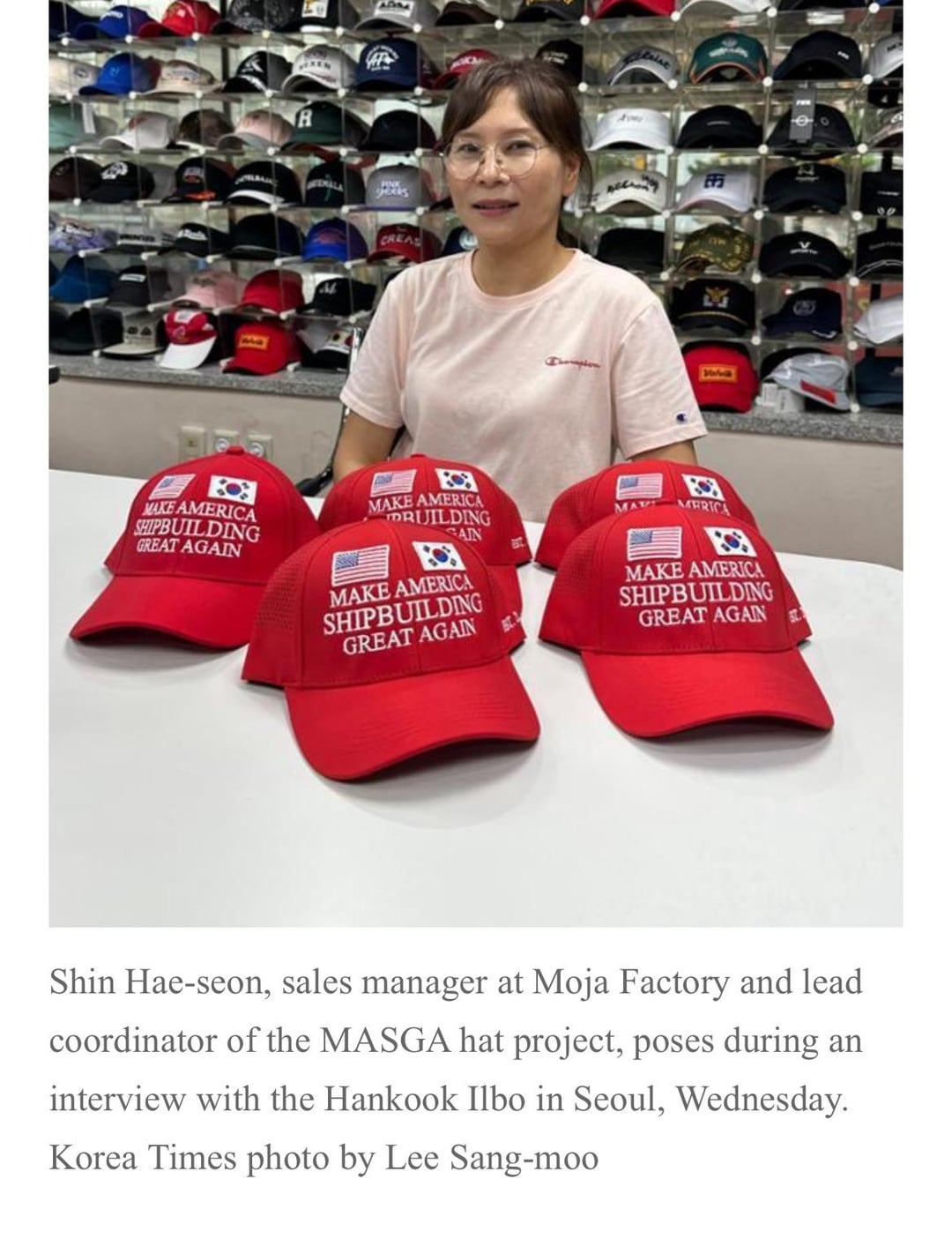
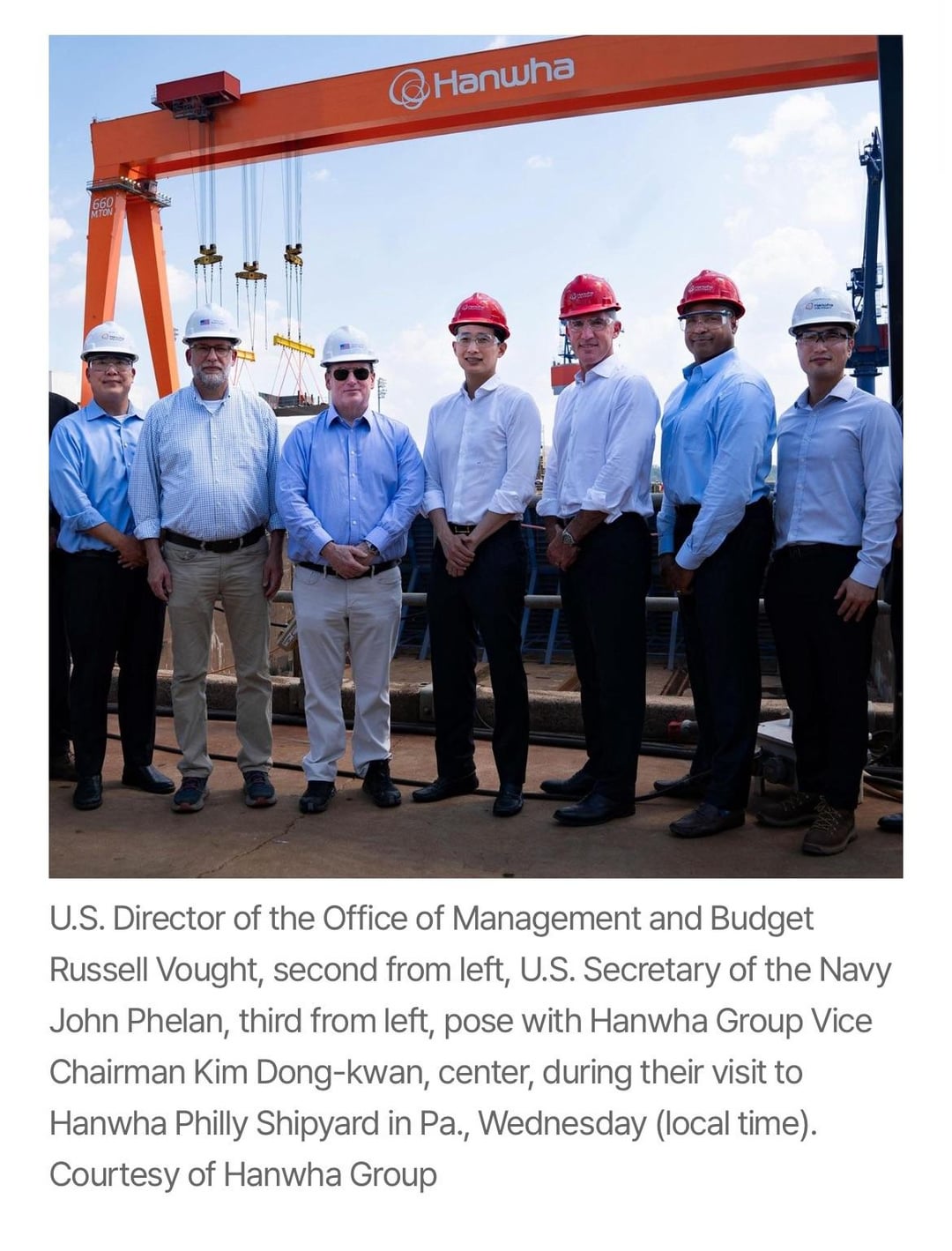
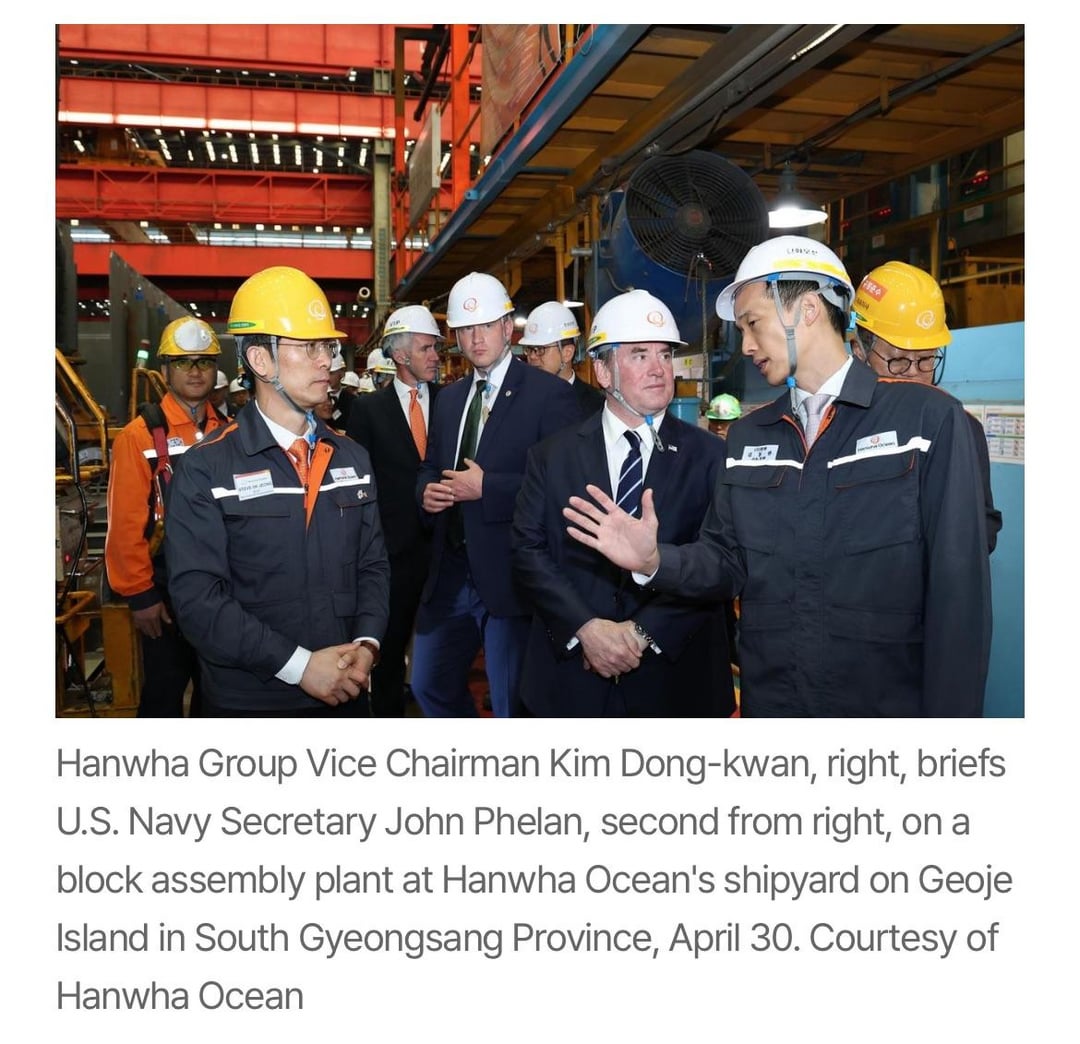
The MASGA project, short for Make American Shipbuilding Great Again, is a U.S.–Korea shipbuilding cooperation initiative that took shape under Donald Trump’s second presidency with the proposal from South Korea. Modeled on Trump’s signature MAGA slogan, MASGA aims to revitalize U.S. naval and commercial shipbuilding by leveraging South Korea’s global leaders in the industry such as HD Hyundai, Hanwha Ocean, and Samsung Heavy Industries. The vision is for South Korea to provide advanced technology, modular construction expertise, and cost-efficient production, while the U.S. presents the initiative as essential for national security and supply-chain resilience. This would involve South Korean builders buying failing US shipyards and restructuring it to gain naval contract from the US navy.
2. Motivation: Disastrous US Shipbuilding
The roots of MASGA lie in the long decline of the U.S. shipbuilding industry. For decades, American shipyards have struggled with high costs, outdated infrastructure, and limited competitiveness compared to Asian rivals. At the same time, intensifying geopolitical pressures, including China’s naval rise and the growing North Korea–Russia–China alignment, have underscored Washington’s need for a faster and more reliable fleet expansion. MASGA also fits into Trump’s tariff diplomacy, where reductions in tariffs and expanded trade cooperation with Korea and Japan are tied to reciprocal industrial deals, with shipbuilding positioned as a flagship example.
3. Key Challenges: Legal Hurdles and Domestic Opposition
Despite its appeal, MASGA faces significant hurdles. The most immediate are legal restrictions such as the Jones Act, which requires ships operating between U.S. ports to be American-built, and the Byrnes–Tollefson Law, which bans foreign-built Navy vessels. For MASGA to work, Washington would need to introduce waivers, reinterpretations, or hybrid arrangements such as allowing Korean-built modules to be assembled in the U.S.
Equally pressing is the opposition of American shipbuilding and maritime unions, who see the initiative as a direct threat to domestic jobs, captured in their slogan: “Korean shipbuilding means layoffs for U.S. workers.”
Beyond unions, MASGA also faces political backlash from Trump’s own right flank. A segment of the MAGA movement, represented by figures like Gordon Chang, has attacked the initiative as a Chinese infiltration scheme, portraying South Korea as a supposed proxy of Beijing. They want South Korea to be excluded in US naval buildup.
4. Emerging Threat: ICE Raid on training staffs
Amid these concerns, Trump administration’s hardline immigration stance erupted dramatically with an ICE raid on the Hyundai–LG joint EV battery plant in Bryan County, Georgia. U.S. Homeland Security Investigations (HSI) carried out the largest single-site immigration enforcement action in its history, arresting roughly 475 workers, including over 300 Korean nationals who were later transferred to detention facilities. This raid was incited by a local MAGA politician who claimed there were Spanish-speaking illegal immigrants in the factory. As the armored vehicles and helicopters stormed the factory, there are growing concern among Korean businesses on the safety of US investment.
While Trump defended the operation as ICE “doing its job,” the incident revealed the tension between Washington’s push for revitalizing domestic manufacturing through foreign direct investment and its draconian crackdown on immigration, leaving corporations deeply unsettled about labor stability and even the safety of their own staff during U.S. training and operations. They are demanding factories but criminalizing the personnel needed to build those factories.
**Do you think MASGA project can overcome these hurdles and threats and be implemented?**
In my opinion, unless Trump tone down anti-business policy like this ICE raid, this project will fail and be no more than a slogan and bunch of hats. How can Korean shipyard workers train new American workers properly for new shipyards if they are arrested by ICE and thrown into ICE detention centers because local demagogue complain about foreigners in workplaces?
Posted by Freewhale98
1 Comment
Rules of acquisition number 37: you can always buy back a lost reputation. No deal is ever truly dead