Côte d’Ivoire’s National Security Council has ordered a ban on protests in the West African country as tensions mount over the presidential elections, scheduled on October 25 that should see President Alassane Ouattara be re-elected to a fourth consecutive term.
Ouattara, 83, is a lifelong political heavyweight in Côte d’Ivoire: he was the last Prime Minister of independence leader Félix “Papa” Houphouët-Boigny before his death in 1993. He subsequently lost the power struggle for his succession and was sidelined until his victory in the 2010 presidential election, which resulted in a deadly civil war when incumbent President Laurent Gbagbo refused to concede. Gbagbo was ousted in a UN-led raid on his Abidjan compound and extraded to the International Criminal Court, where he stood trial for war crimes until his acquittal in 2019.
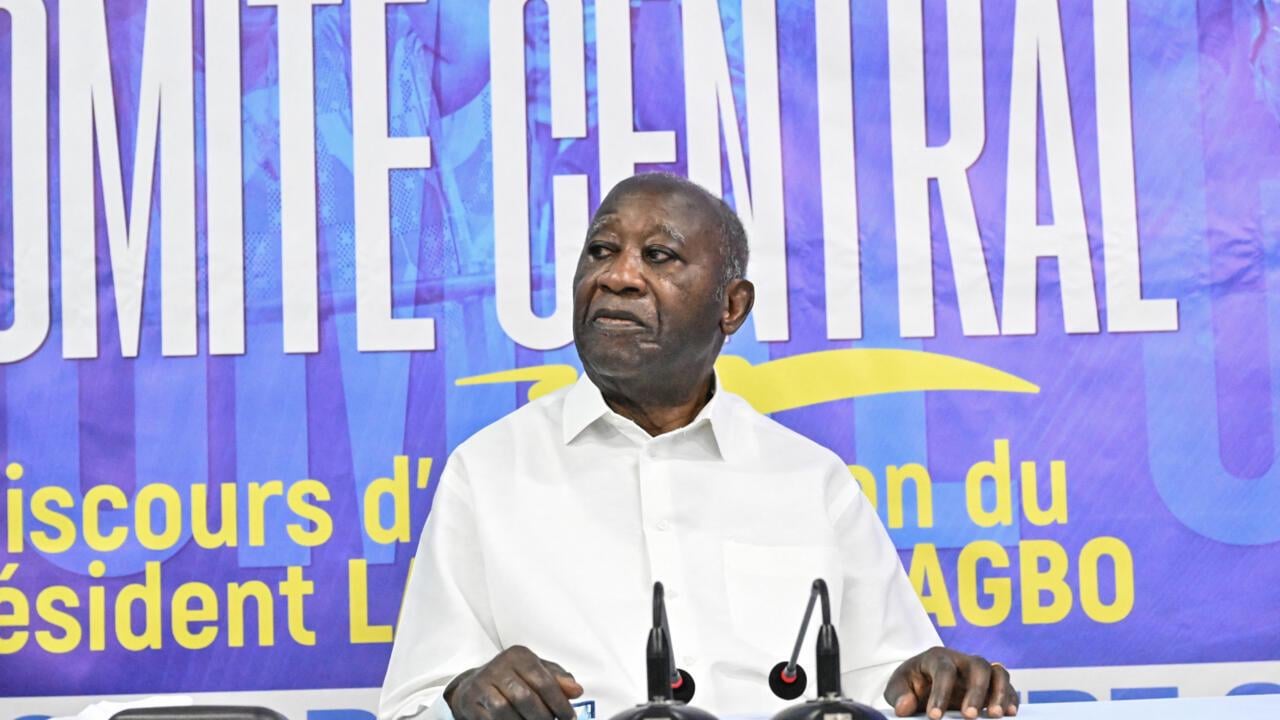
Gbagbo, his former PM Charles Blé Goudé, and former Crédit Suisse CFO Tidjane Thiam are among strong opposition candidates who were banned from running in the presidential elections under various causes by the Ouattara-controlled electoral commission, which further raised tensions in the country.
While the opposition seems to be coalescing around the candidacy of Simone Ehivet, Gbagbo’s ex-wife, domestic and international observers are widely expecting a re-election of Alassane Ouattara, with a high potential for deadly post-electoral violences, and uncertainty for the political fate of West Africa’s second-wealthiest country, which used to be an influent regional power throughout the 20th century.
Alassane Ouattara’s Côte d’Ivoire has been described as France’s last ally in West Africa, following a series of coups in Mali, Burkina Faso and Niger, a geopolitical pivot towards Russia, Turkey and the UAE by Chad, and the victory of a left-wing sovereignist government in Senegal. While Ouattara’s tenure saw strong and sustained economic growth, wealth disparities and the persistence of multidimensional poverty – in addition to Ouattara’s capture of the political process – have alienated young Ivorians and sparked unrest in recent months.
Côte d’Ivoire’s relative stability has been threatened by interferences from the AES governments aligned on Russia, accused by the Ivorian Communication Minister of running [intense propaganda and disinformation campaigns](https://www.bbc.com/news/articles/c20nxne1680o) against Ouattara’s government, and by jihadist infiltrations at the border with war-torn Mali and Burkina Faso; in April, Ivorian intelligence services arrested Malian and Burkinabe jihadists who were running recruitment rings in the country, while in August, a cross-border raid by JNIM killed four Ivorian villagers.

1 Comment
!ping AFRICA
Côte d’Ivoire’s National Security Council has ordered a ban on protests in the West African country as tensions mount over the presidential elections, scheduled on October 25 that should see President Alassane Ouattara be re-elected to a fourth consecutive term.
Ouattara, 83, is a lifelong political heavyweight in Côte d’Ivoire: he was the last Prime Minister of independence leader Félix “Papa” Houphouët-Boigny before his death in 1993. He subsequently lost the power struggle for his succession and was sidelined until his victory in the 2010 presidential election, which resulted in a deadly civil war when incumbent President Laurent Gbagbo refused to concede. Gbagbo was ousted in a UN-led raid on his Abidjan compound and extraded to the International Criminal Court, where he stood trial for war crimes until his acquittal in 2019.
Gbagbo, his former PM Charles Blé Goudé, and former Crédit Suisse CFO Tidjane Thiam are among strong opposition candidates who were banned from running in the presidential elections under various causes by the Ouattara-controlled electoral commission, which further raised tensions in the country.
While the opposition seems to be coalescing around the candidacy of Simone Ehivet, Gbagbo’s ex-wife, domestic and international observers are widely expecting a re-election of Alassane Ouattara, with a high potential for deadly post-electoral violences, and uncertainty for the political fate of West Africa’s second-wealthiest country, which used to be an influent regional power throughout the 20th century.
Alassane Ouattara’s Côte d’Ivoire has been described as France’s last ally in West Africa, following a series of coups in Mali, Burkina Faso and Niger, a geopolitical pivot towards Russia, Turkey and the UAE by Chad, and the victory of a left-wing sovereignist government in Senegal. While Ouattara’s tenure saw strong and sustained economic growth, wealth disparities and the persistence of multidimensional poverty – in addition to Ouattara’s capture of the political process – have alienated young Ivorians and sparked unrest in recent months.
Côte d’Ivoire’s relative stability has been threatened by interferences from the AES governments aligned on Russia, accused by the Ivorian Communication Minister of running [intense propaganda and disinformation campaigns](https://www.bbc.com/news/articles/c20nxne1680o) against Ouattara’s government, and by jihadist infiltrations at the border with war-torn Mali and Burkina Faso; in April, Ivorian intelligence services arrested Malian and Burkinabe jihadists who were running recruitment rings in the country, while in August, a cross-border raid by JNIM killed four Ivorian villagers.